What's more important than trends is knowing what clothes suit *you*.
<!--img--> 
Every season brings new trends, but not all of them will look good on you. Have you ever worn something trendy and felt like it just didn't quite fit? The real secret to dressing well isn't blindly following trends, but knowing your own style.
The First Step to Dressing Well: Knowing Yourself
- Body Shape: Identifying the areas you want to emphasize and those you want to conceal will make choosing the right fit much easier.
- Personal Color: There are specific color palettes that complement your skin tone. Even the same outfit can look completely different depending on the color.
- Occasion (TPO): The clothes you wear to work, for everyday activities, or for special occasions should be different.
Basics + A Touch of Trend
The most practical approach is to build a solid foundation of basic items and then add in one or two trendy pieces. Adding a touch of trend to classic basics will keep you stylish without being overly influenced by fleeting fads. Even just paying attention to color combinations and fit (especially the shoulders and length) can make the same outfit look completely different. It's often better to choose trendy items without spending a lot of money, enjoying them for one season, rather than regretting an expensive purchase.
Essential Basic Items to Have
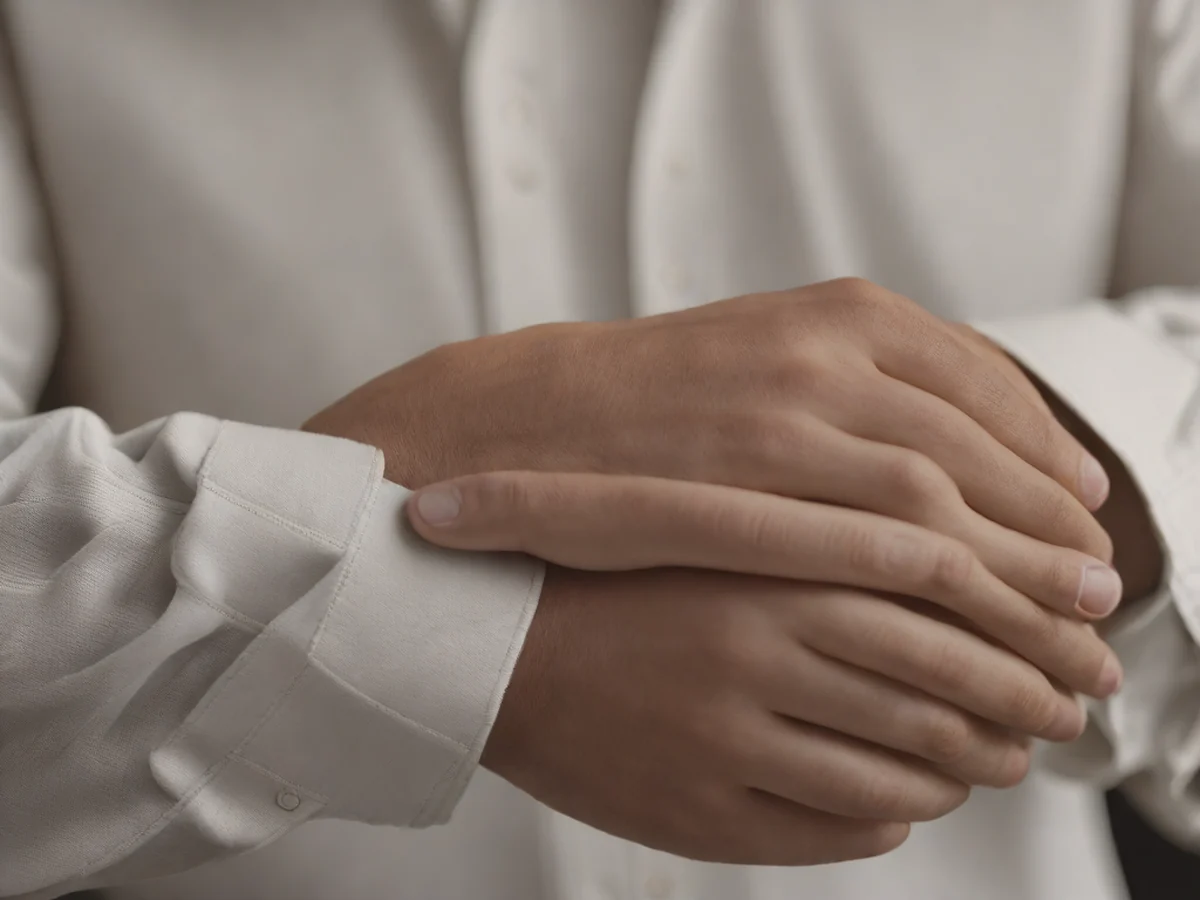
There are clothes that never go out of style and can be worn for a long time. Having these items will make coordinating outfits much easier.
- White shirts and neutral-colored t-shirts: These are basic tops that can be worn with anything.
- Well-fitting jeans and trousers: If the fit is right, you can wear them for both casual and semi-formal occasions.
- Basic outerwear: A trench coat or a simple jacket can instantly elevate your look.
Organizing Your Closet is the Beginning of Style
Organizing your closet with clothes you love and wear often will reduce the daily "what should I wear?" dilemma, and it will also help you define your own style. It's more important to use what you have well than to buy a lot of clothes. If there are clothes that you haven't worn in a season, get rid of them and replace them with items you know you will wear often.

Criteria for Reducing Regret When Buying Clothes
- Does it go well with the clothes I already have? Clothes that look good on their own are less versatile than those that can be combined with other items in your closet.
- Do I have at least three occasions to wear it? Be careful when choosing clothes that are only suitable for special events.
- Is the fit really right? Don't compromise on size just because something is on sale or you like the design; it will likely end up in the back of your closet.
The key to fashion is not "expensive clothes," but "harmony with yourself."
Allpassion is a fashion channel that provides information on seasonal trends, styling tips, body-type specific styling, and shopping guides.
<!--enr--> ## Quick Comparison
| Aspect | Item A | Item B |
|---|---|---|
| Core Principle | Choosing clothes that suit you, regardless of trends | Buying clothes indiscriminately based on current fads |
| Styling Strategy | Incorporating small amounts of trend elements into foundational pieces | Attempting to adopt every single trend |
| Wardrobe Management | Organizing primarily around frequently worn items, removing seldom-used ones | Focusing on quantity purchased, leading to accumulation of low-utility garments |
| Purchase Criteria | Considering harmony with existing wardrobe and whether the item will be worn at least three times | Purchasing based on design appeal or sale temptation |
| Fit and Color Consideration | Selecting fit and color combinations based on body type, personal coloring, and occasion (TPO) | Choosing fit and color purely based on what's currently trendy |
Frequently Asked Questions (FAQ)
Q1. Can I completely ignore trends? Instead of ignoring trends entirely, it's more effective to select elements that suit your personal style and combine them with basic wardrobe items. Adding one or two trends thoughtfully can create a polished, stylish look.
Q2. How can I determine my personal color? The color palette that suits you best depends on your skin tone—whether it leans toward yellow undertones or pigment-based tones. You can identify your seasonal type (e.g., "Summer," "Spring") by examining the color of veins beneath your skin or assessing your facial tone. Getting a professional color analysis report is another reliable option.
Q3. How many basic wardrobe items should I have? Aim for 2–3 pieces each of essential tops (white shirts, neutral-colored T-shirts), bottoms (denim pants, slacks), and outerwear (trench coat, solid-colored jacket) to create a wide variety of outfits.
Q4. What criteria should I use when deciding what to discard while organizing my closet? Clothes you haven’t worn in a full season or those that don’t pair well with items you already own are good candidates for removal. Keeping too many rarely worn pieces can lead to impulsive, unnecessary new purchases.
Related posts
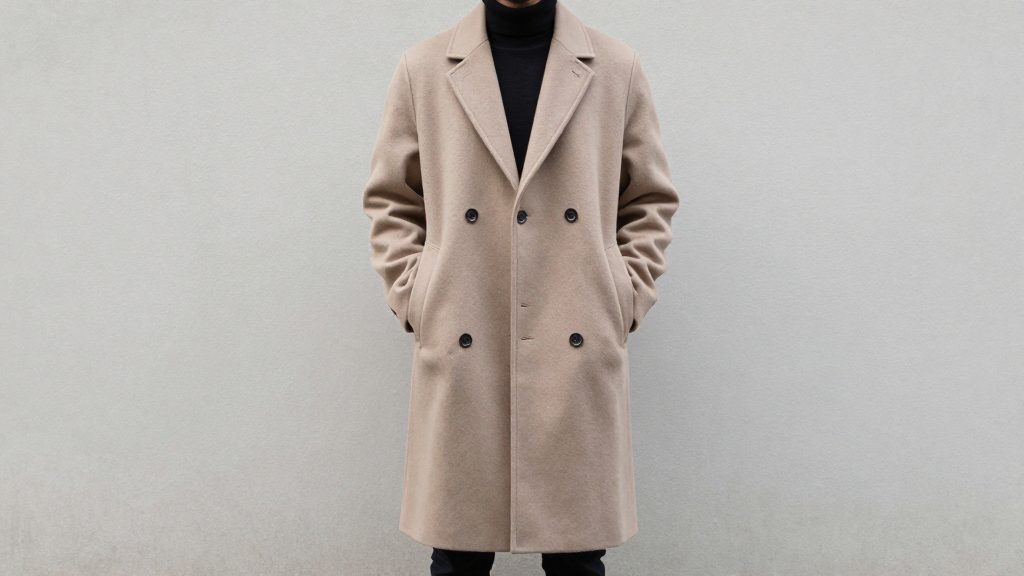
A styling guide for achieving a perfectly tailored "oversized coat" look, based on 5 key
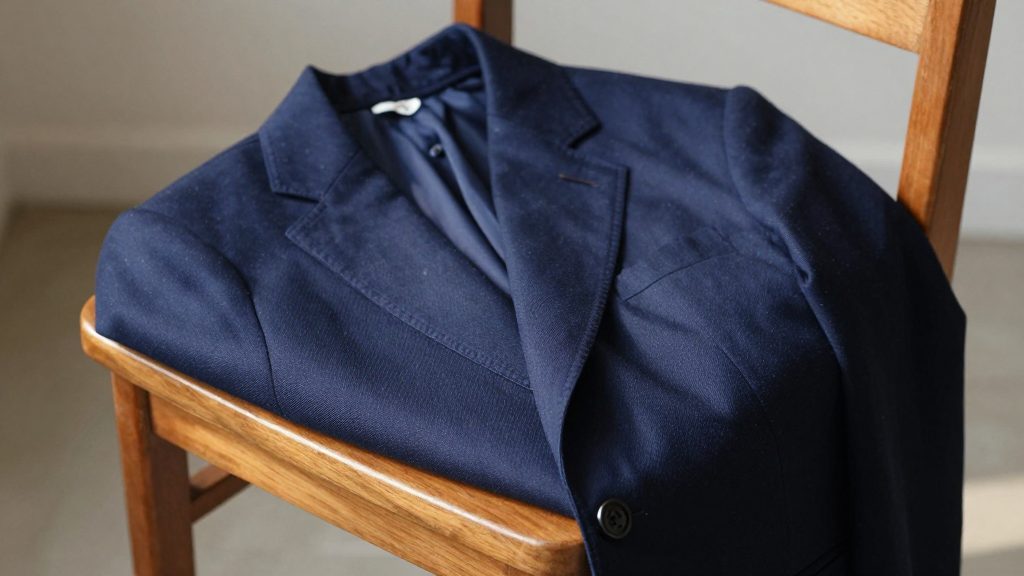
Here are 5 key principles for creating a versatile and stylish wardrobe.
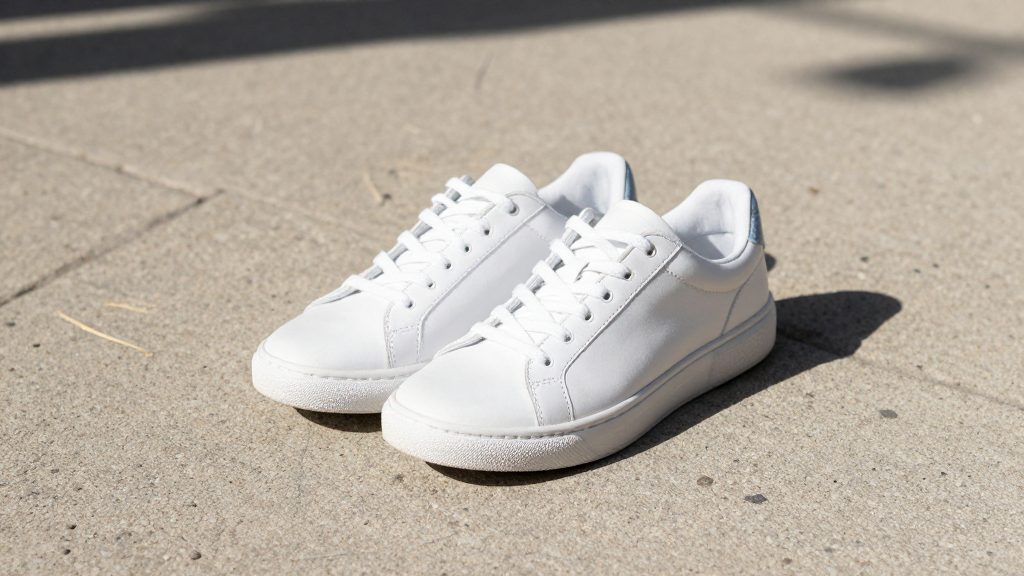
The ultimate canvas for casual style: Sneakers vs. Lace-up sandals – which one
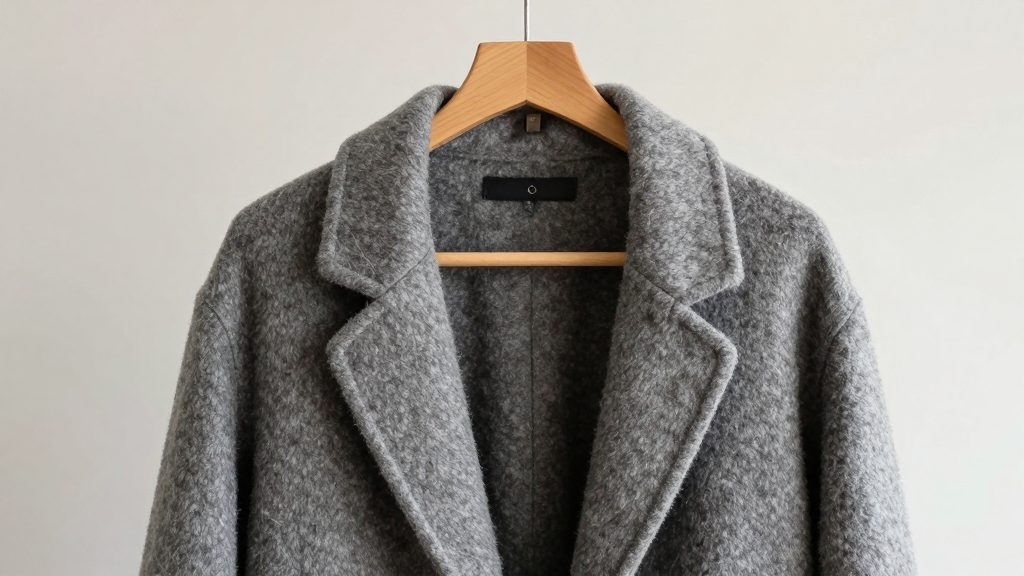
Coat Selection Criteria: Choose a thick coat appropriate for the season, and select the
Popular posts
A styling guide for achieving a perfectly tailored "oversized coat" look, based on 5 key
Here are 5 key principles for creating a versatile and stylish wardrobe.
The ultimate canvas for casual style: Sneakers vs. Lace-up sandals – which one
Comments 0