Here are 5 key principles for creating a versatile and stylish wardrobe.
Fashion is a form of personal expression, but the dilemma of "what should I wear?" is something everyone experiences. Especially when pursuing a vague style like athleisure, or when trying to maintain an attractive image in everyday life, clear guidelines are essential. This article provides a practical guide that goes beyond simply saying "it's pretty," and instead focuses on the core principles that make an outfit complete when actually worn. It can be a starting point for creating your own signature style, rather than being swayed by meaningless trends.
Step 1: Establish a "Core Trio" of Colors
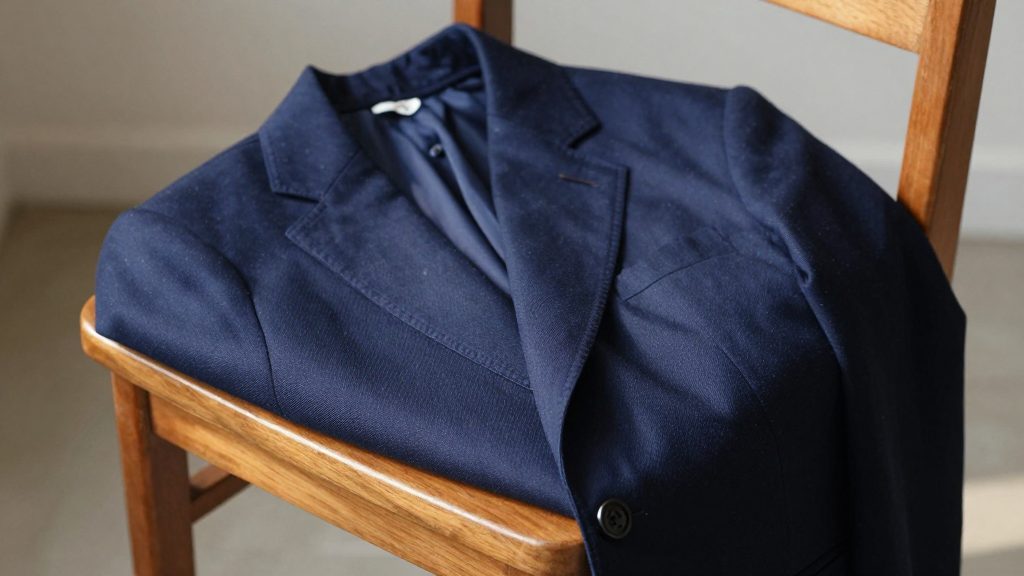
The foundation of fashion is color balance. A common mistake for beginners is to mix "too many colors" at once, which can make the outfit look cluttered and lack a focal point. Instead, focus on establishing a core trio of colors and then creating variety within that framework. For example, using beige (color A), black (color B), and white (color C) as your base allows for a natural pairing with almost any top or bottom combination. These three colors are generally "compatible with all clothing" and provide the "color stability" that serves as a benchmark for your outfit.
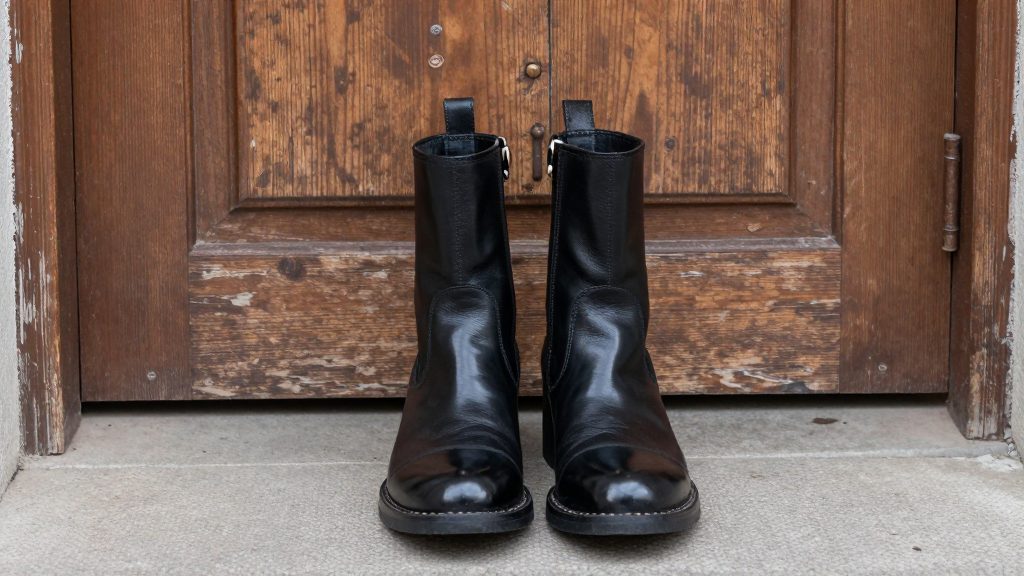
Tip: Using these three colors as the foundation for more than 70% of your outfit will create a sense of "unified wear." The remaining 30% can be used for accent pieces.
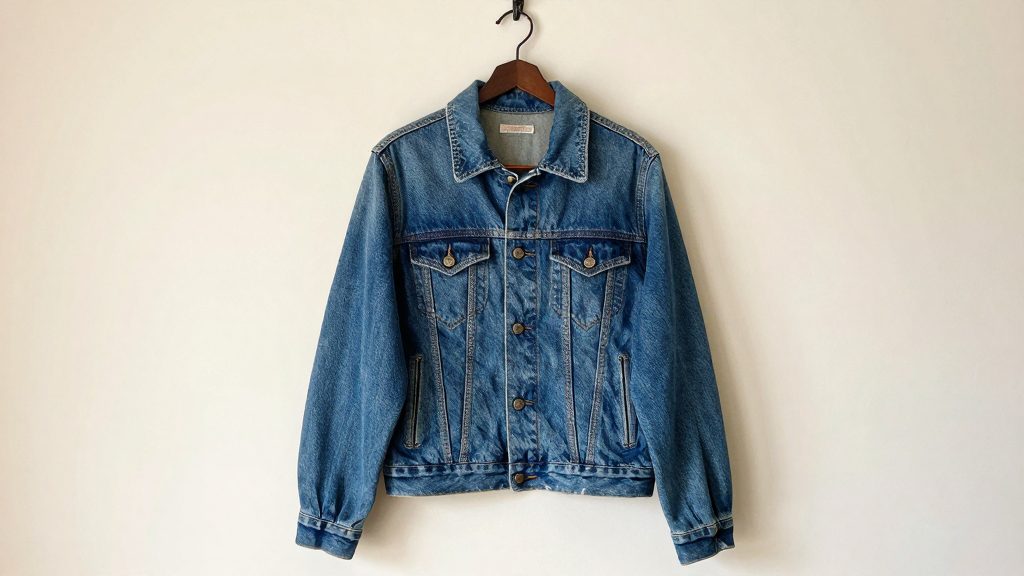
Step 2: Add "Visual Depth" Through Contrasting Textures
Even the same color can drastically change the overall vibe of an outfit depending on the material. A prime example is the combination of soft cotton and stiff synthetic fibers. While cotton provides a gentle, natural texture against the skin, synthetic fibers are prone to warping after washing and can feel somewhat stiff. Therefore, simply incorporating two or more different materials into an outfit immediately adds visual interest. For example, pairing a cotton top with linen pants creates a fresh summer look, while wearing a leather jacket over a cotton sweatshirt creates an urban style.
Tip: The key is "sensory contrast." Adding a smooth, glossy material to a soft texture creates a sense of "sophistication," while combining a textured material with a more structured one creates a "casual elegance."
Step 3: Prioritize "Minimal Lines" Based on Fit
The essence of fashion is "how well it fits your body." Clothes that are too big can obscure your figure, while clothes that are too tight can be uncomfortable. Therefore, it's crucial to prioritize "the lines that look natural when worn," rather than simply focusing on how "pretty" something is. The foundation of fashion is "minimal lines." For example, a shirt should fit snugly at the shoulders and gently hug the waist, rather than being oversized. Similarly, "slim-skinny" pants that maintain a rounded curve at the thighs tend to flatter most body types.
- Top: The shoulder seam should precisely cover the end of your shoulder, with about 2-3 cm of room in the armhole.
- Bottom: The waistband should sit above your hips, and a slight curve should naturally form below the knees.
- Outerwear: It should drape smoothly along your shoulders and maintain a clean silhouette down the back.
Applying these fit guidelines will ensure that even trendy items look "naturally flattering."
Related posts
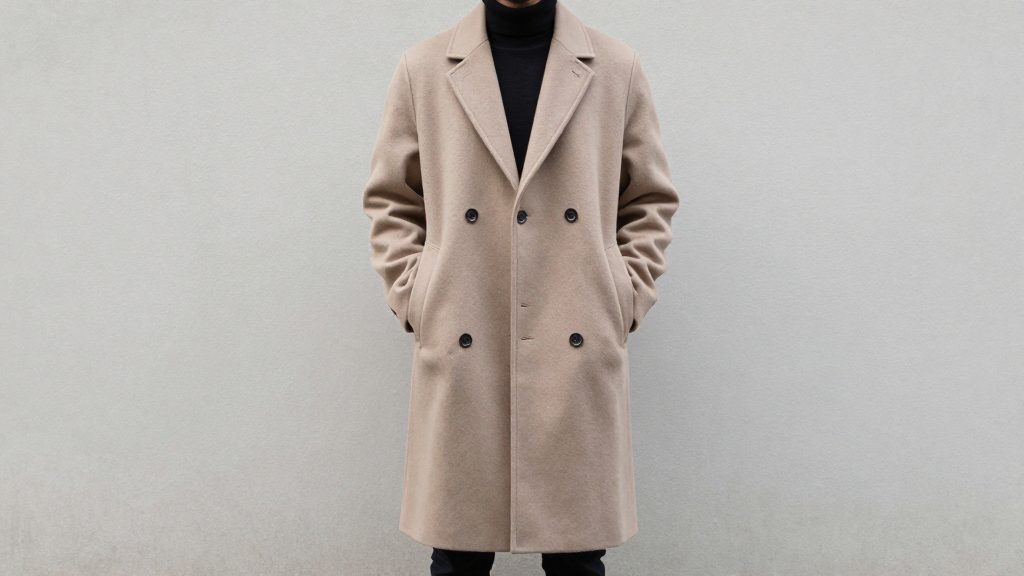
A styling guide for achieving a perfectly tailored "oversized coat" look, based on 5 key principles.
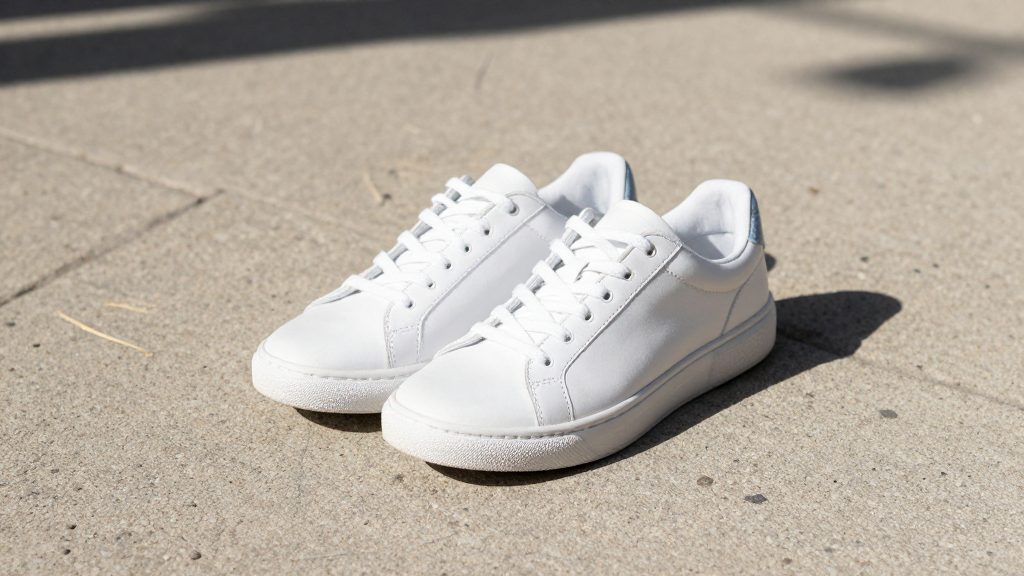
The ultimate canvas for casual style: Sneakers vs. Lace-up sandals – which one complements a relaxed look better?
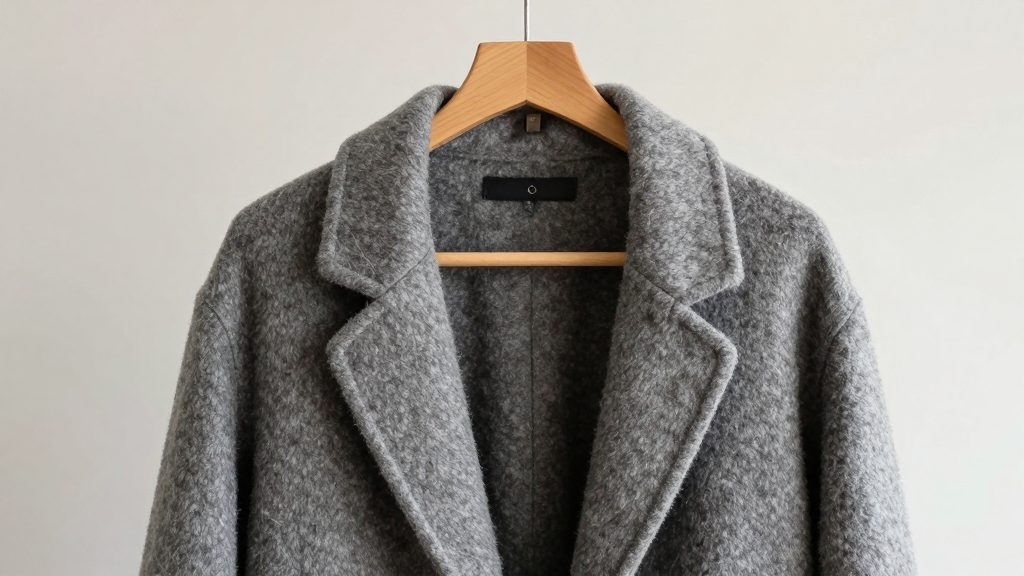
Coat Selection Criteria: Choose a thick coat appropriate for the season, and select the right fit and material to enhance your overall style.

Essential Checklist for All Fashion Lovers: Four Key Principles to Elevate Your Daily Look and Become a Style Leader.
Popular posts
A styling guide for achieving a perfectly tailored "oversized coat" look, based on 5 key principles.
The ultimate canvas for casual style: Sneakers vs. Lace-up sandals – which one complements a relaxed look better?
Coat Selection Criteria: Choose a thick coat appropriate for the season, and select the right fit and material to enhance your overall style.
Comments 0