Coat Selection Criteria: Choose a thick coat appropriate for the season, and select the right fit and material to enhance your overall style.
When choosing a winter coat, it's an outdated fashion habit to only consider warmth. A good coat should complement your body shape, enhance the overall look of your outfit, and retain its value over time. Fit, material, thickness, and practicality are all interconnected factors that should be considered when making your selection. By taking these elements into account, you can find a coat that truly reflects your personal style.
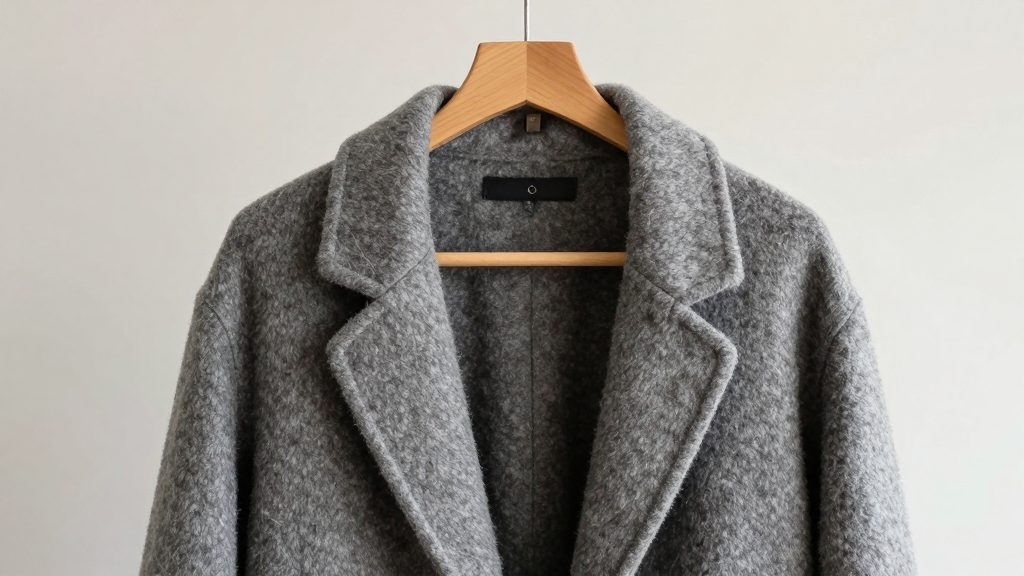
1. Fit: Structural Design for a Coat That Complements Your Body Shape
A coat isn't just about covering your body; it's a tool for visually enhancing your silhouette. The most important fit elements are the back length and shoulder line.
- Back Length: Ideally, the coat should reach from the lower back to just above the thighs. A shorter coat can accentuate the waist, but it may make your legs look shorter. Conversely, a coat that's too long can obscure your figure. For an average height (160-175cm), a length that reaches 2-3cm above the thighs is generally the most flattering.
- Shoulder Line: The edge of the coat's shoulder should align with your own natural shoulder line. If it extends too far forward or droops backward, it can create a sloppy appearance and make your shoulders look wider. An ill-fitting shoulder line can create patterns that resemble scars.
- Waistline Treatment: The way the waist is treated depends on the coat's closure style. A coat with a flat back can naturally cinch the waist without a belt, but an excessively dropped waistline can distort your figure.
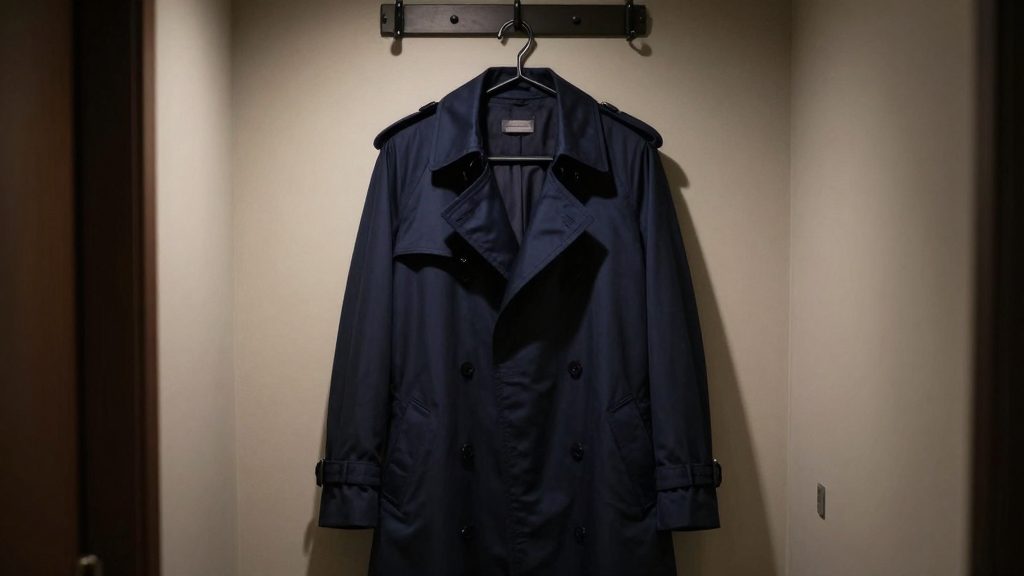
2. Material: Balancing Thickness and Durability, Choosing Seasonally Appropriate Options
The material of a coat is more than just about feel; it's about functionality. A thick winter coat needs to provide both durability and warmth, and the material choice should be adapted to the climate.
- Leather Coats (High-Quality Stainless Steel or Synthetic Leather): These are resistant to water and external impacts, but they can be heavy and prone to deformation. The density of the internal structure and the material of the frame are important factors.
- Wool Blends (e.g., 70% Wool + 30% Polyester): These offer excellent warmth and flexibility, and they maintain their shape well even after prolonged wear. Materials with a weight of 200g or more are suitable for use in the coldest winter months.
- Waterproof Coats (with Fleece Lining or High-Density Cotton): These are ideal for regions with frequent rain or snow, but they may have poor breathability and can cause sweating. If you plan to be outdoors for 3-4 hours or more, it's best to switch to a more breathable coat.
3. Thickness: Balancing Warmth and Freedom of Movement
The idea that "the thicker, the warmer" is sometimes misleading, as it can lead to discomfort. The thickness of a coat should be carefully balanced to provide warmth without restricting movement.

For a typical winter, a layer thickness of approximately 15-20mm (based on the inner material) is generally appropriate. Within this range, a coat with a high structural density will be better able to withstand cold and wind.
Thicker coats may include internal padding, brackets, or waistbands. However, too much internal padding can restrict movement and cause sweating. Since people often wear thick sweaters or layers underneath their coats, the external thickness should be adjusted to avoid being overly bulky.
Softer materials offer greater freedom of movement but may deform or shrink more easily. Conversely, more elastic materials tend to recover their shape quickly, but they may lose some of their elasticity over time.
4. Practicality: Wearability and Maintenance in Everyday Life
A coat is not just a fashion item; it's an essential part of everyday life. The frequency of wear and ease of maintenance are key factors to consider when making your selection.
The design of the zipper and button closures should allow for quick and easy wear. A zipper that is too stiff or buttons that come off easily will reduce the coat's usability. A design with 3-5 buttons and a single zipper is generally the most practical.
The ability to be machine-washed affects how easy it is to maintain the coat year after year. Wool materials are typically recommended for dry cleaning only, while synthetic fibers can often be hand-washed with detergent. However, even the easiest-to-clean materials require regular storage and standing storage.
The presence and placement of internal pockets are important for practicality. A small zippered pocket on the front can be useful for quickly accessing a phone, wallet, or keys. Two or more internal pockets increase storage capacity, but too many can shift the center of gravity.
Summary: Key Considerations
- Fit Criteria: The back should reach 2-3cm above the thighs, and the shoulder line should align with your own for a visually stable look.
- Material Recommendation: Choose wool blends (70% or more) or high-density cotton, with a weight of 200g or more.
- Thickness Criteria: A layer thickness of 15-20mm provides a good balance between warmth and freedom of movement in winter.
- Practicality Checkpoints: Consider the ease of use of zippers and buttons, the configuration of internal pockets, and the ability to be washed and stored easily.
A coat is more than just an outer garment; it's a key item that defines your overall look. By choosing based on the right criteria, you can ensure that each new coat you buy will truly reflect your personal style.
Related posts
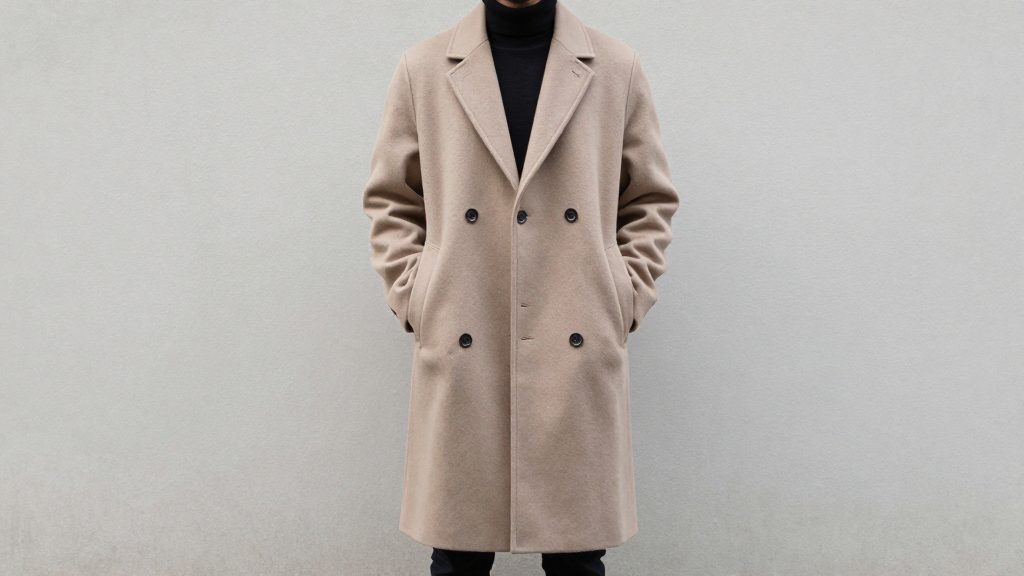
A styling guide for achieving a perfectly tailored "oversized coat" look, based on 5 key principles.
Here are 5 key principles for creating a versatile and stylish wardrobe.
The ultimate canvas for casual style: Sneakers vs. Lace-up sandals – which one complements a relaxed look better?
Essential Checklist for All Fashion Lovers: Four Key Principles to Elevate Your Daily Look and Become a Style Leader.
Popular posts
A styling guide for achieving a perfectly tailored "oversized coat" look, based on 5 key principles.
Here are 5 key principles for creating a versatile and stylish wardrobe.
The ultimate canvas for casual style: Sneakers vs. Lace-up sandals – which one complements a relaxed look better?
Comments 0