Textile Waste Guide: 15 million problem tips
"The environmental cost of our closets is growing as rapidly as our shopping habits."
Addressing the clothing consumption issue requires a shift from disposable trends toward durability and systemic regulation.
How much textile waste is generated annually?
At dusk, I stand by the massive landfill and feel the rough texture of a discarded textile pile against my skin.
The scale of the fashion waste problem is immense and continues to grow as production outpaces consumption needs.
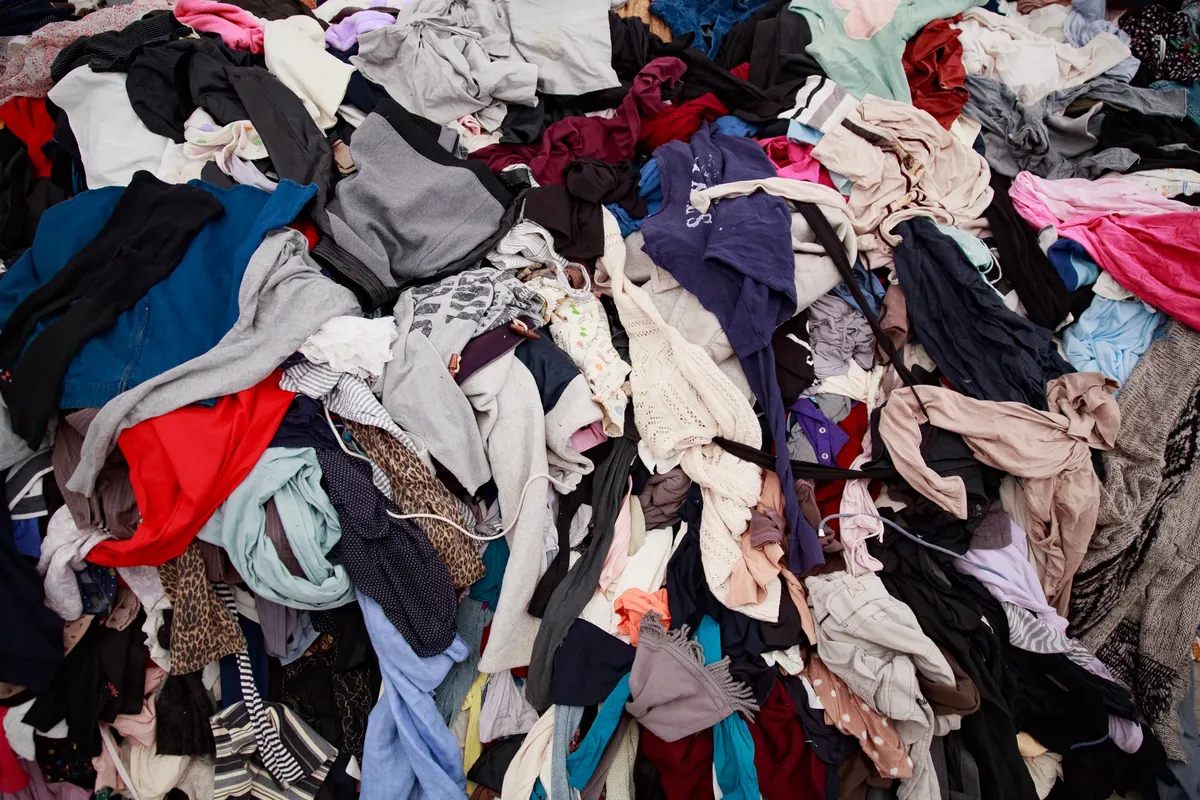
According to the Environmental Protection Agency, over 15 million tons of textile waste is created annually.
The Environmental Protection Agency reported that over 15 million tons of textile waste is created annually. This massive volume highlights the urgent need for better waste management and responsible production.
According to the European Environment Agency, the European Union generated an estimated 6.95 million tonnes of textile waste in 2020, which was equivalent to around 16 kg per person. This data illustrates how individual consumption patterns contribute significantly to total waste.
How can I use textiles more sustainably? textile waste solutions
In the quiet morning light, I carefully mend a torn seam in a soft textile, pulling the needle through the fabric. A policymaker reviews a thick stack of documents, searching for ways to regulate the industry's footprint. Developing a sustainable textile use model requires coordinated efforts between governments and manufacturers to manage resources effectively.
On March 30, 2022, the European Commission published the EU Strategy for Sustainable and Circular Textiles, which outlines an action plan to achieve better sustainability and regulation within the industry. This framework aims to address the environmental impact of the entire lifecycle of clothing.
The strategy targets the systemic flaws that lead to waste, focusing on better regulation and circularity. By establishing these guidelines, the goal is to move away from the current linear model of "take-make-waste."
Can my shopping habits reduce clothing waste? A shopper pauses in a crowded department store, looking at a cheap garment and wondering if it will last more than a season. Learning to reduce clothing trash involves shifting the focus from quantity to quality.
The European Commission's goal for 2030 is to encourage consumers to invest in high quality products rather than fast fashion, and to ensure all textile products are durable, whether they are recycled materials or not, according to the European Commission.
The European Commission's goal for 2030 is to encourage consumers to invest in high quality products rather than fast fashion. This shift aims to ensure all textile products are durable, whether they are recycled materials or not.
Investing in longevity helps mitigate the environmental footprint of every purchase. By choosing items built to last, consumers can play a direct role in slowing the waste stream.
| Metric | Data Point |
|---|---|
| EU Textile Waste (2020) | 6.95 million tonnes |
| Waste per Person (EU) | ~16 kg |
I looked at my own closet and realized how much of my spending went toward items that barely survived a single season.
How can we implement circular fashion models?
An engineer examines a shredder designed to turn old fabric into new fibers, seeking a way to close the loop. Implementing circular fashion models requires a complete rethink of how clothes are designed, produced, and disposed of.
- Prioritize the selection of high-quality, durable materials during the initial purchase. 2. Follow regulatory guidelines to ensure products meet sustainability standards. 3. Support recycling and repair initiatives to extend the life of existing garments.
A final check of these steps ensures that the focus remains on longevity rather than temporary trends. Taking these actions helps build a more resilient textile ecosystem.
What are the limitations of current recycling efforts?
A technician sorts through a mountain of mixed-fiber fabrics, knowing that separating them is a complex challenge. One limitation is that the success of these strategies depends on the physical durability and material composition of the products being produced.
The success of the 2030 goal relies on the industry's ability to produce goods that remain functional over long periods.
- The global textile industry faces a mounting crisis of excess, with millions of tons of discarded clothing entering landfills every year.
- Key takeaways include understanding the scale of textile waste, recognizing regulatory efforts like the EU Strategy for Sustainable and Circular Textiles, and transitioning toward high-quality, durable goods.
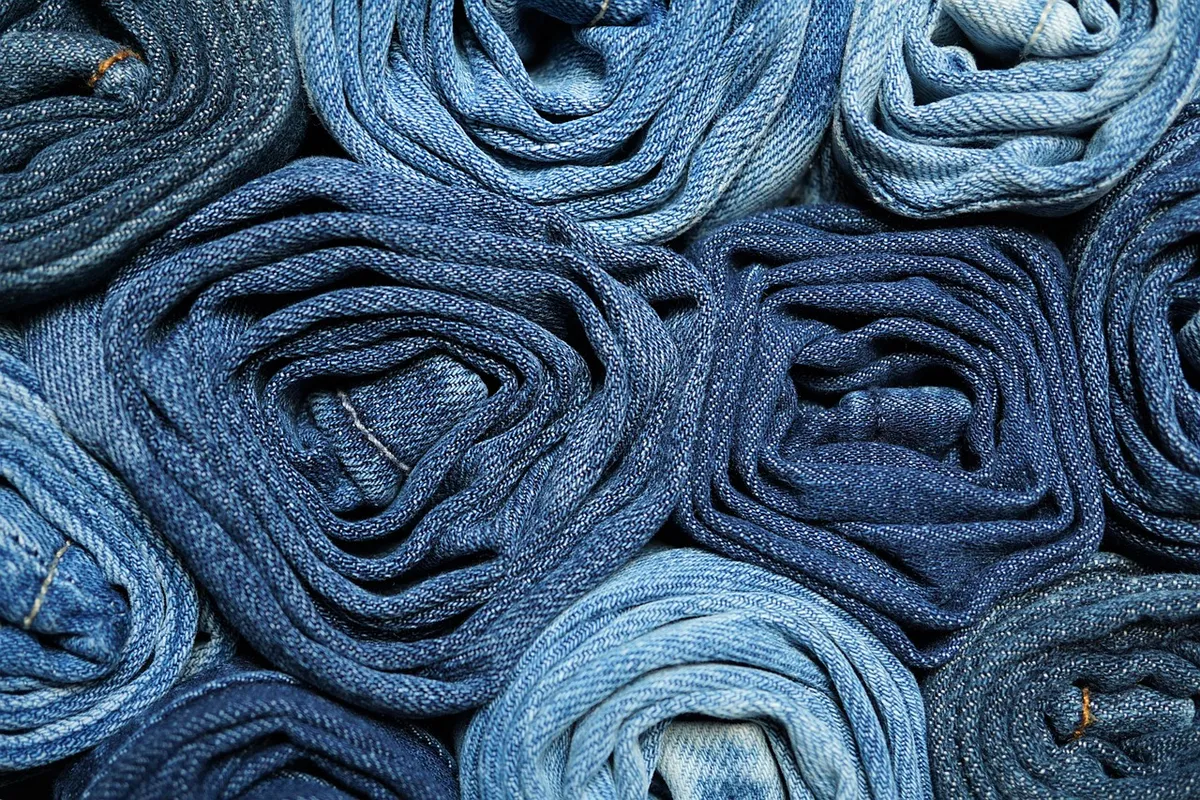
- A heavy pile of discarded jeans sits at the edge of a landfill, representing only a fraction of the global waste stream.
The subject here is textile waste solutions.
The same subject is also called fast fashion impact.
This part also covers mindful buying habits.
Related
- How do ownership shifts impact the market?
- Fashion criticism social role: How to analyze visual trends
Why is the environmental cost still mounting?
The environmental cost continues to rise because the current production model favors rapid turnover over material longevity. This linear system, where items are used and discarded quickly, overwhelms existing waste management capacities.
The sheer volume of materials entering landfills reflects this unsustainable pace of consumption.
This growing environmental cost is directly linked to the initial design choices made during manufacturing. If products are not designed for disassembly or reuse, their end-of-life contributes to the mounting problem.
The initial environmental cost of low-quality items is paid by the planet when they become undifferentiated trash.
- The initial production phase determines the product's lifecycle potential. 2. The end-of-life management determines the final environmental cost. 3. A focus on durability counters the inherent flaw of the linear model.
What factors drive the environmental cost? The environmental cost is driven by the mismatch between production speed and material lifespan. The linear system, which moves quickly from creation to disposal, overwhelms waste handling systems. This rapid turnover contributes heavily to the overall environmental cost.
This mounting environmental cost is a direct consequence of initial design choices made during manufacturing. If items lack the ability to be taken apart or reused, their disposal contributes to the mounting environmental cost.
The initial environmental cost of low-quality goods is ultimately borne by the planet when they become indistinguishable trash.
- The manufacturing phase sets the stage for the product’s entire life cycle. 2. The disposal phase dictates the final environmental cost incurred. 3. Prioritizing durability counters the fundamental weakness of the linear consumption model.







Comments 0