What are the best coat trends now: How to pick a coat?
"The shift came as Trump's approval rating fell to 32%, a career low, according to a Reuters/Ipsos poll, with Americans souring on both his handling of the economy and the war."
Selecting a winter coat requires balancing thermal efficiency with personal style, focusing on material weight and length to combat seasonal temperature drops.
This guide helps you navigate current trends, identifies essential selection criteria, and warns that effectiveness depends heavily on the specific climate conditions you face.

* Prioritize heavy wool blends for maximum warmth. * Evaluate the cost of living impact on luxury purchases. * Match coat length to your typical daily activities. * Check for windproof linings in technical outerwear.
What are the hottest coat trends right now?
A person stands before a frost-covered window, pulling a heavy wool trench coat tightly around their shoulders to block the biting wind.
This seasonal transition often dictates how we approach our wardrobe, moving from light layers to substantial, structured silhouettes that offer both protection and aesthetic appeal.
Current fashion movements emphasize oversized proportions and longline cuts that provide extra coverage during freezing months. Many people are looking for pieces that serve as the centerpiece of an outfit rather than just a functional layer.
While some focus on minimalist designs, others gravitate toward textured fabrics that add depth to a winter ensemble.
The desire for longevity in fashion means that many are choosing timeless styles over fleeting fads. This approach ensures that a high-quality investment remains relevant through multiple seasons. Understanding these shifts helps in making a purchase that feels both modern and enduring.
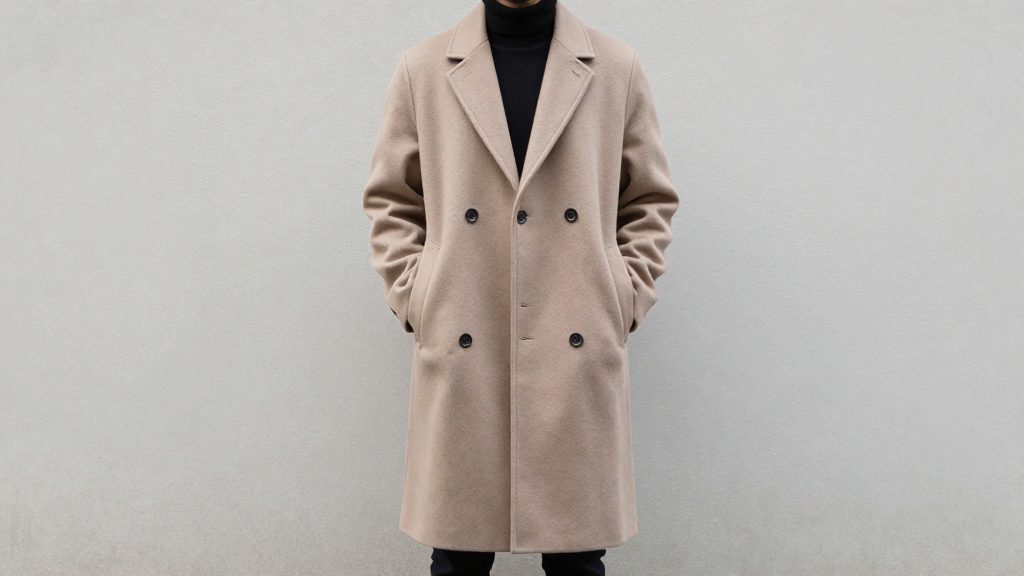
Oversized silhouettes and longline wool trench coats are dominating the current fashion landscape.
How to pick a coat? Winter coat buying guide
A shopper runs their fingers over the coarse, durable weave of a heavy navy overcoat in a brightly lit boutique. Selecting the right garment involves a careful assessment of fabric composition, weight, and the specific utility required for your environment.
To ensure a proper fit, you must consider how the garment will sit over thicker sweaters or mid-layers. A coat that is too tight will restrict movement and reduce the air pockets that provide insulation. Conversely, an overly loose fit might allow cold drafts to circulate against the body.
When evaluating materials, look for high wool content or advanced synthetic fills designed for thermal retention. The weight of the fabric should feel substantial enough to provide warmth without being so heavy that it becomes cumbersome during daily commutes.
- Assess your typical daily activities to determine the necessary level of warmth.
- Check your existing wardrobe to ensure the color and style complement your current clothing.
- Test the fit by layering a heavy sweater underneath during the fitting process.
What should I pick for the winter?
An individual walks through a snowy park, the heavy fabric of their parka rustling softly against their legs with every step. Choosing the correct outerwear depends on whether you are navigating a humid, rainy winter or a dry, sub-zero environment.
For extreme cold, insulated parkas with down or synthetic loft are often the most effective choice. These garments are designed to trap body heat efficiently. For urban settings where style and moderate warmth are both required, wool topcoats or cashmere blends offer a sophisticated solution.
| Material Type | Primary Benefit |
|---|---|
| Heavy Wool | Thermal insulation |
| Synthetic Down | Lightweight warmth |
I found that testing the weight of a coat in the store is the best way to judge its practical comfort.
Prioritize heavy down fills or thick wool blends to maintain body heat in freezing temperatures.
Coat selection criteria guide
A person sits at a wooden desk, sketching out a list of requirements for a new winter jacket before heading to the mall. Using a structured approach to shopping prevents impulse buys and ensures the final selection meets all functional needs.

- Identify the primary temperature range you need to cover. 2. Test the range of motion in your arms and shoulders while wearing the coat. 3. Verify the presence of functional elements like deep pockets or adjustable hoods.
After completing these steps, perform a final check by wearing the coat for several minutes to ensure no chafing or discomfort occurs. This systematic method ensures the garment performs as expected when the temperature drops.
Focus on fabric density, insulation type, and weather resistance when evaluating quality.
Choosing your perfect winter coat
A traveler packs a compact, water-resistant windbreaker into a suitcase, preparing for a trip to a temperate coastal city. Finding the perfect balance between weight and warmth is a highly personal process that varies based on individual metabolic rates and activity levels.
The ideal coat should feel like a protective shell that does not impede your natural movement. If you spend most of your time indoors, a medium-weight coat might suffice, whereas outdoor workers require heavy-duty, weather-resistant layers.
Selecting the right piece involves matching the garment's technical specifications to your lifestyle. A coat that excels in a blizzard might feel too heavy for a mild, rainy autumn evening.
The ideal coat should balance aesthetic appeal with functional warmth and ease of movement.
Current coat trend analysis
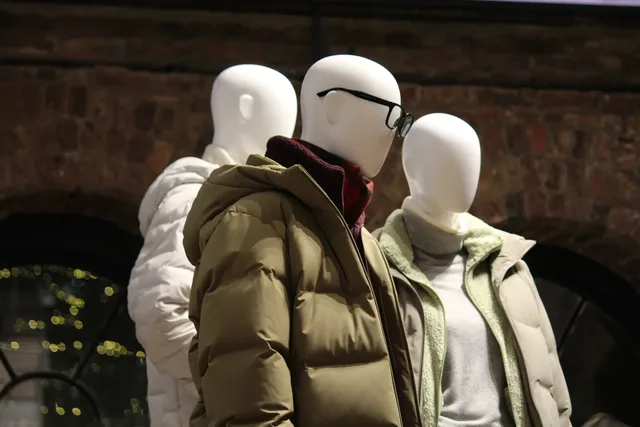
A stylist arranges a collection of long, charcoal-colored coats on a mannequin, observing how the light hits the fabric. Analyzing current movements helps consumers understand why certain silhouettes are dominating the market and how to integrate them into an existing wardrobe.

Trends often cycle through periods of minimalism and maximalism. Currently, there is a strong emphasis on structural integrity and "quiet luxury," where the quality of the fabric speaks louder than visible branding. This shift reflects a broader consumer interest in durability and timelessness.
While trends provide inspiration, they should not override the fundamental need for warmth. A fashionable coat that fails to provide adequate insulation is a poor investment regardless of its popularity.
Minimalist designs and earth-toned palettes are currently replacing more complex, patterned outerwear.
The subject here is Winter coat buying guide.
The same subject is also called Best coat trends now.
The same subject is also called What to choose for winter.
The same subject is also called Fashionable coat styles.
Related



Comments 0