Leather jacket guide: Fiber content affects properties
"A leather jacket is a timeless investment that bridges the gap between durability and style, yet its longevity depends entirely on how well you understand its composition and thermal properties."
Choosing the right leather jacket requires balancing material composition with personal comfort. This guide covers how to pick leather jacket styles based on fiber content, thermal regulation, and material types like cattle or sheep hides.
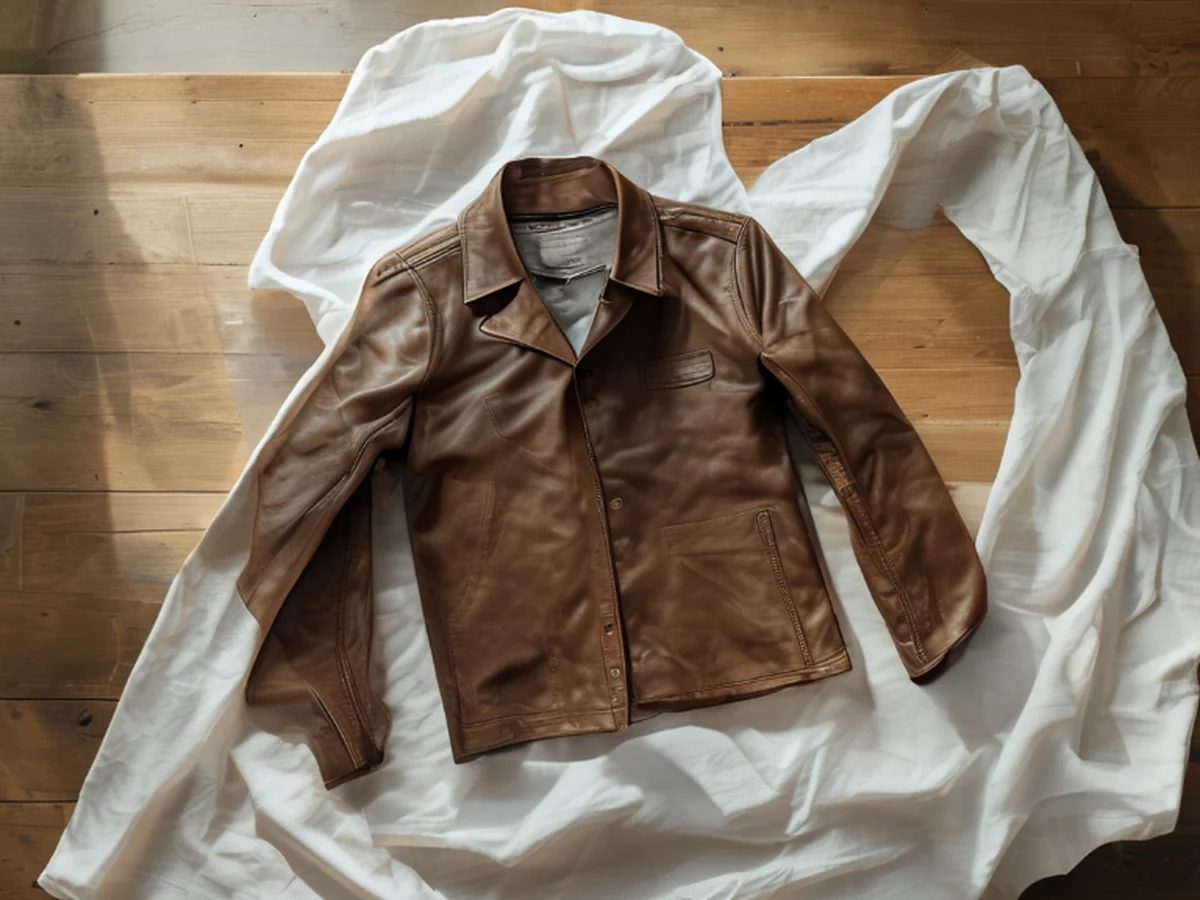
Key takeaways include understanding fiber ratios, managing skin temperature, and recognizing that leather durability varies by animal source.
How to pick leather jacket styles based on material?
A shopper walks into a boutique, running their fingers over a heavy cowhide jacket and a soft sheepskin piece. Selecting the right material is the first step in a successful leather jacket guide.
The composition of the material dictates how the garment will age and feel against the skin. For instance, the amount of leather fibers in the mix varies from 10% to 90%, which significantly affects the properties of the product.
High-fiber content typically offers more durability, while blends might offer different textures.
Understanding these ratios helps in choosing a piece that fits your specific lifestyle needs. If you prefer a rugged feel, look for higher density; if you want something lighter, consider different blends.
- Identify the weight of the leather to match your climate. 2. Select a grain type that suits your desired level of formality. 3. Check the flexibility of the hide to ensure comfort during movement.
What are the common types of leather used? leather jacket guide
In the dimly lit shop, I pull a soft sheepskin jacket from the rack and smell the rich scent of the leather.
An individual examines a rack of jackets, noting the subtle differences between bovine and ovine textures. Knowing the common sources is essential for proper leather jacket care tips.
Today, most leather is made of cattle (cow) hides, which constitute about 65% of all leather produced. This makes cowhide a standard for durability in many outerwear pieces.
Other animals are also frequently utilized in high-end fashion. Sheep account for about 13%, goats about 11%, and pigs about 10% of the production. Each source offers a distinct weight and grain pattern for your wardrobe.
In this sequence, the second type is the most common.
How does leather affect thermal comfort?
As evening falls, I pull the heavy jacket tight against my chest and feel the sudden warmth of the leather.
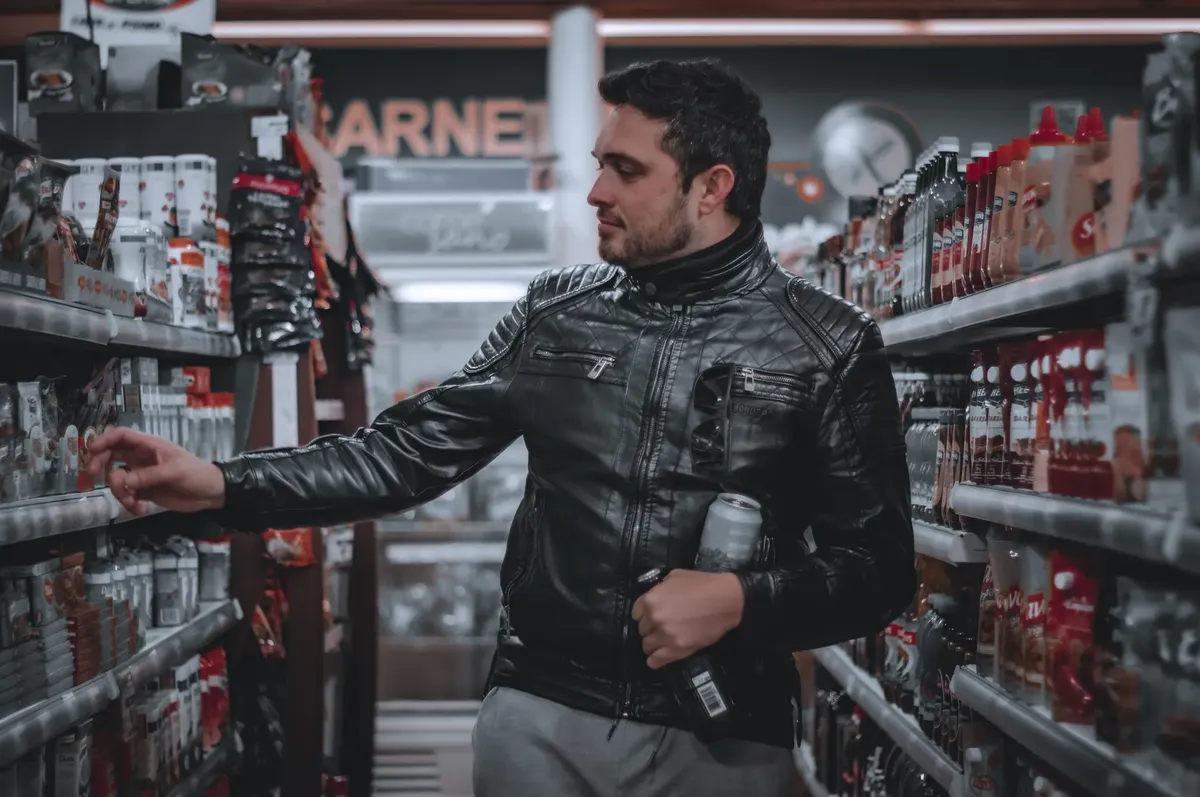
A person slips into a jacket and feels the immediate change in body temperature. This sensation is a core part of choosing leather jackets for seasonal wear.
Thermal regulation is a vital aspect of wearing heavy garments. The optimum temperature for thermal comfort of the skin surface is between 28 and 30 °C (82 and 86 °F).
Thermophysiology reacts whenever the temperature falls below or exceeds the neutral point on either side. It is uncomfortable below 28 and above 30 degrees. Choosing the right weight ensures you stay within this comfortable range.
What is the best leather jacket maintenance approach?
A collector carefully cleans a vintage jacket to preserve its natural oils. Maintaining the integrity of the hide is the foundation of leather jacket maintenance.
To keep a jacket in peak condition, follow these steps:
- Inspect the surface for moisture or dirt regularly to prevent deep staining. 2. Use specialized cleaners that respect the specific animal hide type. 3. Store the jacket in a cool, dry place to prevent premature aging.
I once spent an entire afternoon conditioning a heavy cowhide jacket to ensure it remained supple for the winter. Always perform a final check to ensure no excess cleaner remains on the surface.
How does leather compare to other materials in terms of lifespan?
A gardener looks at an old cotton shirt versus a sturdy leather coat. Understanding the environmental footprint and longevity is part of proper leather jacket selection tips.
Leather is a durable material compared to many natural fibers. For comparison, cotton clothing decomposes in about 6 months.
In contrast, leather lasts much longer than cotton, though it is much shorter than plastics which take hundreds of years or more to decompose. This makes leather a more permanent wardrobe staple than many seasonal fabrics.
| Material Type | Relative Decomposition Speed |
|---|---|
| Cotton Clothing | Approximately 6 months |
| Plastics | Hundreds of years or more |

I find that comparing these lifespans helps me justify the investment in high-quality leather.
Is there a limitation to leather durability?
A traveler considers the weather conditions before packing a leather jacket. Every material has a specific environmental constraint.
The durability and feel of a jacket are limited by the specific animal hide used and the fiber mix. For example, a jacket with a lower percentage of leather fibers may not offer the same longevity as a pure hide.
- How to pick leather jacket styles based on material?
- What are the common types of leather used?
- How does leather affect thermal comfort?
Related
- Fashion coordinator role: Guide to industry shifts
- Caffeine intake: Choosing alternative coffee guide
How does fiber content influence the jacket's properties?
The fiber content directly influences the jacket's overall characteristics. A higher proportion of leather fibers generally translates to increased resistance to wear and tear. Conversely, a blend incorporating other materials might yield a different tactile experience.
This ratio influences how the leather jacket ages over time. A garment with a higher density of leather fibers tends to maintain its structure better through extended use. Blends, on the other hand, introduce variables regarding texture and flexibility.
When should maintenance be performed?
Maintenance should be undertaken based on the jacket's condition. Inspecting the surface regularly allows for the early detection of potential issues. This proactive approach helps prevent minor issues from becoming major problems.
If moisture or dirt accumulates, immediate attention is required to prevent deep staining into the hide. Using appropriate cleaners tailored to the specific animal hide is crucial during upkeep. Storing the leather jacket in a controlled environment preserves its condition.
How does the animal source affect the jacket's feel?
The animal source dictates the inherent qualities of the leather jacket. Cow hides, being the most common, provide a standard of robust resilience. Sheep hides, while less common, contribute a different tactile sensation to the garment.
Goats and pigs, though less prevalent, each impart a unique weight and grain pattern to the final piece.
The choice of animal hide influences the overall weight and how the leather jacket behaves during wear. A higher density hide offers a more rugged feel, whereas a different blend might yield a lighter wearing experience. This variation in source material contributes to the jacket's unique character.
What are the signs of needing immediate leather jacket care?
A collector notices signs of wear and tear that signal the need for intervention. Signs of moisture or dirt accumulation on the surface necessitate prompt attention. If these elements are not addressed, they can lead to deeper staining within the hide itself.
When the jacket is stored, its condition should reflect the care it has received. A cool, dry place is necessary to halt premature aging processes in the leather. Regular inspection allows for the early detection of minor issues before they become significant problems.



Comments 0