Why is the cosplay fashion trend now so prevalent?
"The line between performance and daily attire is blurring, as individuals seek to embody the characters they love through curated aesthetics."
The cosplay fashion trend now dominates social media feeds as people bridge the gap between fictional narratives and street style. This movement is driven by the intersection of high fashion and the content industry, allowing consumers to express identity through stylized character looks.
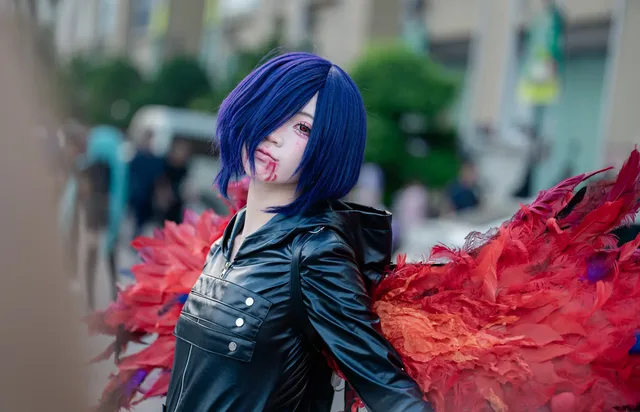
This guide explores the cultural shifts behind these popular costume styles, noting that while the aesthetic is massive, its application remains centered on visual storytelling rather than utilitarian durability.
Why is the cosplay fashion trend now so prevalent?
A photographer adjusts a lens to capture a model wearing a highly stylized, character-inspired ensemble under neon studio lights. The rise of the cosplay look stems from a deep desire for individual expression through the lens of media consumption.
As digital platforms grow, the distinction between a costume and a high-fashion statement continues to fade.
This trend reflects a broader shift in how people interact with media. Instead of merely watching a story, consumers want to inhabit the aesthetic of that story. This desire for immersion drives the current popularity of character-inspired silhouettes.
The movement is characterized by a desire to merge the fantasy of screen-based media with the tangible reality of modern wardrobe choices.
- Social media platforms provide a stage for visibility.
- High-quality fabric availability makes complex designs accessible.
- Community engagement drives continuous interest.
How does the content industry influence these looks? Why Cosplay Looks Trend
A designer sketches a silhouette on a tablet, drawing inspiration from a recent animated series' color palette. The content industry acts as the primary engine for these new aesthetic movements.
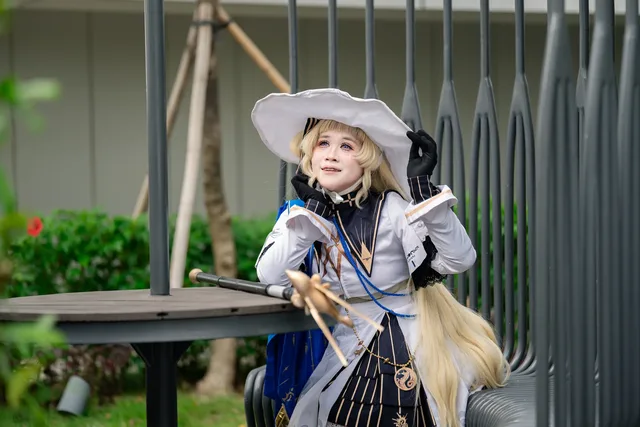
When a show or film gains massive traction, the specific visual language of that production often translates directly into consumer preferences.
The synergy between media and apparel is evident in how specific textures and colors become synonymous with certain characters. This crossover means that fashion is no longer just about seasonality but about the narrative popularity of specific IPs.
As characters become cultural icons, their specific visual identity becomes a template for modern styling.
I find that the second step in this evolution is the most significant.
What is the role of fashion and content crossover?
A boutique owner arranges a display of accessories that mirror the ornate details seen in recent cinematic fantasy epics. This intersection creates a unique market where high-end luxury meets niche fandom. It is a space where the craftsmanship of couture meets the relatability of pop culture.
This phenomenon allows for a unique form of cultural expression. People are no longer just wearing clothes; they are wearing identities. This shift turns the act of dressing into a form of fan engagement, effectively turning the wearer into a walking piece of the media they enjoy.
How do consumers prefer these specific styles?
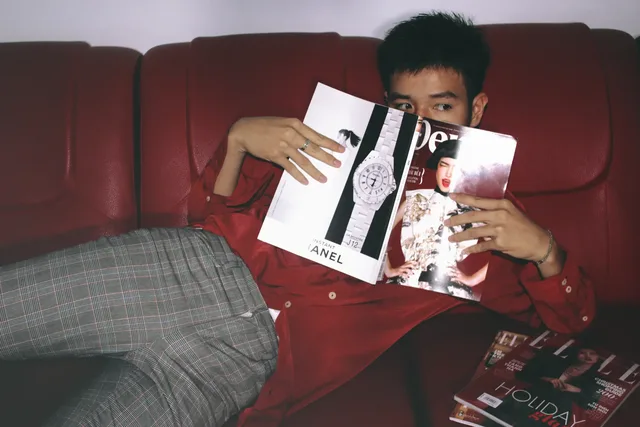
A consumer scrolls through a mobile app, saving images of intricate, character-driven outfits for future inspiration. The intersection of fashion and lifestyle is evident in how these looks are integrated into daily social interactions.
It is less about wearing a full costume and more about adopting the "vibe" or aesthetic essence of a character.
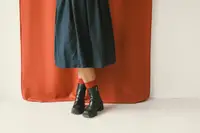
This approach allows for a more subtle and wearable version of the trend. People might adopt a specific color scheme, a particular type of footwear, or a unique silhouette that evokes a character without being a literal recreation.
This makes the trend accessible to a wider audience who may not want to wear a full costume in public.
What are the artistic roots of these costume designs?
A museum curator carefully places a historical garment into a glass display case. The concept of using clothing to tell a story has deep roots in the performing arts. High fashion has long borrowed from the theatrical to create dramatic and impactful silhouettes.
For example, Christian Lacroix's costume designs for the opera, theatre, dance and music were displayed at the exhibition "Christian Lacroix Costumier" at the National Museum of Singapore from March to June 2009.
This shows that the intersection of high-concept design and performance is a recognized artistic tradition.
What are the limitations of this trend?
A tailor examines the stitching on a complex, multi-layered garment, noting the difficulty of the construction. While the trend offers immense creativity, it often prioritizes visual impact over the practicality required for everyday wear.
The primary limitation of these styles is their focus on visual storytelling. For instance, while specialized gear like "dive skins" are worn for diving in water temperatures above 25 °C (77 °F), most cosplay-inspired fashion is not designed for specific environmental functionality.
This means the trend is most effective as a medium for aesthetic expression rather than functional performance.
The subject here is Why Cosplay Looks Trend.
This part also covers Cosplay fashion and lifestyle.
Related
- Which trade shows highlight these textile developments?
- Vegan fashion brand trust: Tips for better clothing choices
How does the line between performance and daily attire continue to blur?
- The line between performance and daily attire is blurring because individuals actively seek to embody the characters they admire through carefully chosen aesthetics. 2. This blurring occurs as the cosplay fashion trend takes over social media, effectively connecting fictional stories with everyday street fashion. 3. The movement is powered by the meeting point of high fashion and the content creation sector, enabling people to communicate their sense of self through stylized character appearances.
What conditions make these aesthetic choices so appealing?
- The desire for personal expression, viewed through the prism of media consumption, is a major factor in the trend's growth. 2. As digital platforms advance, the separation existing between a mere costume and a sophisticated fashion declaration keeps diminishing. 3. This trend mirrors a larger change in how people engage with media; they aim to live inside the look of the media they consume.
The adoption of subtle aesthetic cues allows the trend to reach a broader group of people. For instance, someone might choose a specific color palette or a certain type of shoe that suggests a character without needing a complete outfit.
This less literal approach makes the trend more manageable for public settings. The focus shifts from complete replication to capturing the character's general feeling or style. This adaptation is a direct result of how consumers prefer these specific styles.
Wikipedia: Christian Lacroix Based on the retained excerpt mentioning National Museum of Singapore: Lacroix's costume designs for the opera, theatre, dance and music were displayed at the exhibition "Christian Lacroix Costumier" at the National Museum of Singapore from March to June 2009.


Comments 0