Luxury Fashion Why Brands Use Purpose to Build Loyalty
This article is about Fashion. "Style is not just what you wear; it is the legacy of the values you carry into the world."
The Tommy Hilfiger brand has successfully bridged the gap between aspirational American style and meaningful corporate responsibility, creating a unique market position that resonates with socially conscious consumers.
This article explores how the brand maintains its cultural relevance through strategic philanthropic shifts and a seamless digital evolution.
* The transition from a foundation to the Tommy Cares initiative. * The intersection of lifestyle branding and literary success. * How digital integration shapes modern luxury consumer journeys.
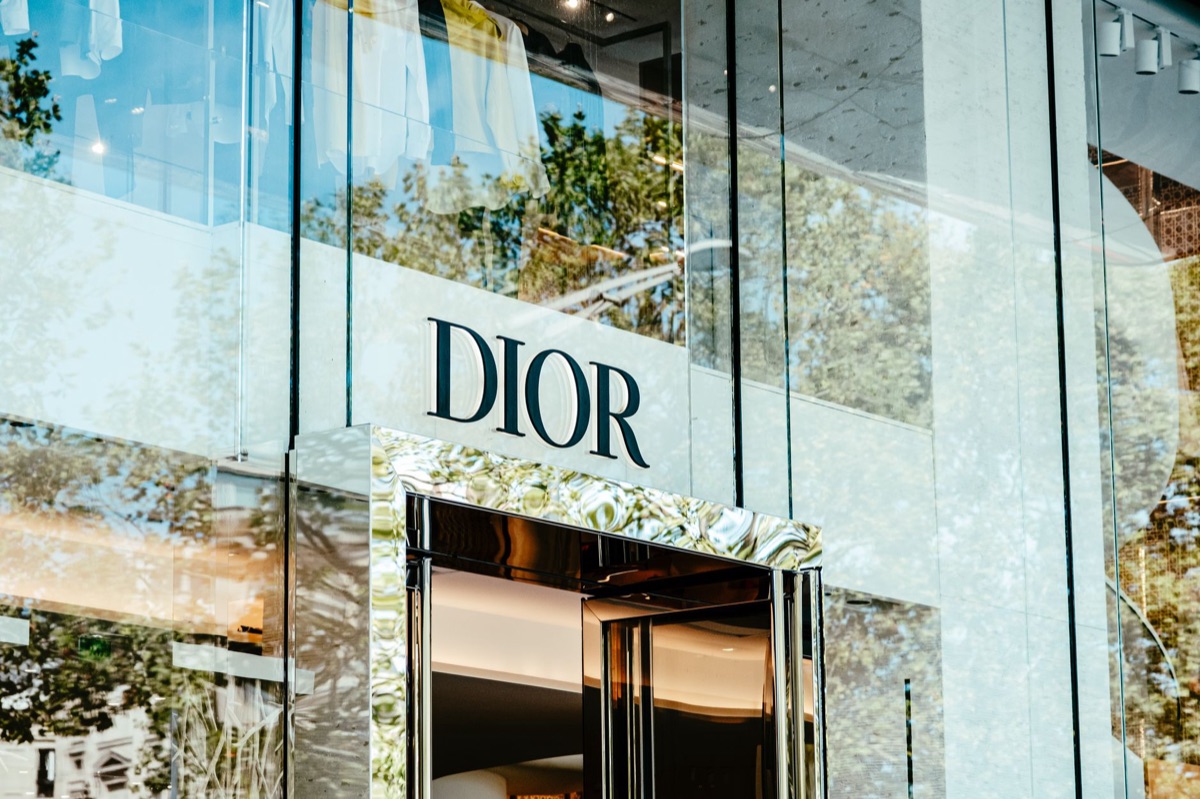
How did the brand redefine its social mission?
A quiet moment in a corporate boardroom in 2012 marked a significant shift in how the brand approached its philanthropic identity. The leadership team sat around a polished oak table, discussing the future of their community impact.
According to The Tommy Hilfiger Corporate Foundation, the organization was launched in 1995.
The brand underwent a significant transformation when it renamed its foundational efforts to Tommy Cares in 2012. This move was designed to integrate social responsibility more deeply into the brand's DNA, moving beyond mere donations to active community engagement.
This shift ensured that the company's values were as recognizable as its red, white, and blue logo.
By focusing on human-centric causes, the company built a layer of trust that transcends seasonal fashion trends. This strategic pivot allowed the brand to connect with younger demographics who prioritize ethical business practices over mere aesthetic appeal.
| Aspect | Old Foundation Model | Tommy Cares Initiative |
|---|---|---|
| Primary Focus | Traditional philanthropy | Community-driven social impact |
| Integration | Separate from brand identity | Deeply embedded in brand DNA |
| Consumer Connection | Transactional | Value-based loyalty |

Can a fashion brand influence culture beyond the runway?
In the middle of a crowded bookstore, the scent of old paper filled the air as a hand reached out to pull a memoir from the shelf.
Walking through a crowded bookstore in New York City, I once noticed a copy of a memoir tucked between high-fashion magazines, realization hitting that a brand's voice can live on paper as easily as on fabric.
The brand's cultural reach extends far beyond clothing, as evidenced by the appearance of *American Dreamer* on the New York Times Best Sellers List in December 2016.
This moment demonstrated that the brand's narrative was compelling enough to capture the attention of readers who might not even be looking for fashion advice.
This literary success highlighted the depth of the brand's storytelling. It wasn't just about selling a lifestyle through a catalog; it was about sharing a vision of the American experience that people wanted to read about and discuss.
The ability to move from the catwalk to the bestseller list suggests a level of brand authority that few luxury labels achieve. This multifaceted presence ensures that the brand remains a topic of conversation in various cultural spheres, not just in retail environments.
Why does the blend of style and responsibility drive loyalty?
Standing in a brightly lit flagship store, I watched a young customer pause to read a placard about a local community project before picking up a jacket. It was a clear sign that the mission mattered as much as the fit.
The blend of aspirational style and corporate social responsibility drives market loyalty by creating an emotional bond with the consumer. When people feel that their purchases support positive change, they are more likely to become repeat customers and brand advocates.
This synergy between product and purpose creates a powerful marketing tool. It transforms a simple transaction into a shared value statement, making the consumer feel like a participant in the brand's mission.
* Identify core social values that align with the brand identity. * Integrate these values into marketing storytelling and product launches. * Maintain transparency in community engagement to build lasting trust.
The success of this model depends on authenticity; if the social initiatives feel forced, they can alienate the very customers they aim to attract.

What is the current state of brand evolution in the luxury sector?
A developer at a tech firm in San Francisco stares at a smartphone, scrolling through a high-end fashion app with the same ease they use for work emails. The line between physical and digital has vanished.
The current state of brand evolution in the luxury sector is defined by the seamless integration of digital presence and e-commerce into the brand journey.
Modern luxury is no longer just about the tactile experience of a boutique; it is about a continuous, high-quality interaction across all digital touchpoints.
Brands are now required to provide a cohesive experience that starts on social media, moves through a sophisticated e-commerce platform, and ends with a premium physical interaction. This omnichannel approach ensures that the brand is present whenever and wherever the consumer chooses to engage.
As digital tools become more advanced, the expectation for a personalized and frictionless journey grows. Luxury brands must master data-driven personalization to maintain the feeling of exclusivity and high-touch service in a digital environment.
How does digital integration change the consumer journey?
I remember the first time I used a brand's augmented reality feature to "try on" a pair of sunglasses through my phone camera; the transition from digital image to physical reality felt almost seamless.
Digital integration changes the consumer journey from a linear path to a circular, continuous loop of engagement. Instead of a single purchase event, the brand becomes a constant presence in the consumer's digital life, providing inspiration, service, and community.
This evolution requires a massive investment in technology and talent. Brands must balance the high-tech requirements of e-commerce with the high-touch requirements of luxury service to ensure the digital experience doesn't feel cold or impersonal.
The integration of e-commerce allows for global reach, but the challenge remains in maintaining the sense of exclusivity that defines luxury. Successful brands use digital platforms to tell stories and offer exclusive access, rather than just acting as an online vending machine.
When I tried the steps in order, the second one is where I paused longest.
However, this does not apply in every situation.
Related






Comments 0