Essential Checklist for All Fashion Lovers: Four Key Principles to Elevate Your Daily Look and Become a Style Leader.
Fashion is more than just clothing; it's a language that expresses yourself. Even everyday outfits can evolve into stylish statements if you follow certain principles.
1. Differentiate Basic Items with 'Color' and 'Fit'
Basic items like t-shirts, denim pants, and coats are common to most people. However, your style can vary greatly depending on how you wear them. The key is to achieve color harmony and balanced fit. - Basic colors (ivory, gray, black) are used in over 70% of outfits, and it's best to stick to a maximum of three colors for color harmony. - If the fit is too loose or too tight, it can disrupt your body proportions. Therefore, the chest and waist should fit snugly, and the pants should have a smooth drape from the waist for a natural look. - Especially with coats and jackets, the shoulder line and length significantly impact the fit. When wearing a shirt underneath, make sure the shoulders don't overlap.
2. 'Material Quality' and 'Fitting Tests' are Essential for Making Choices

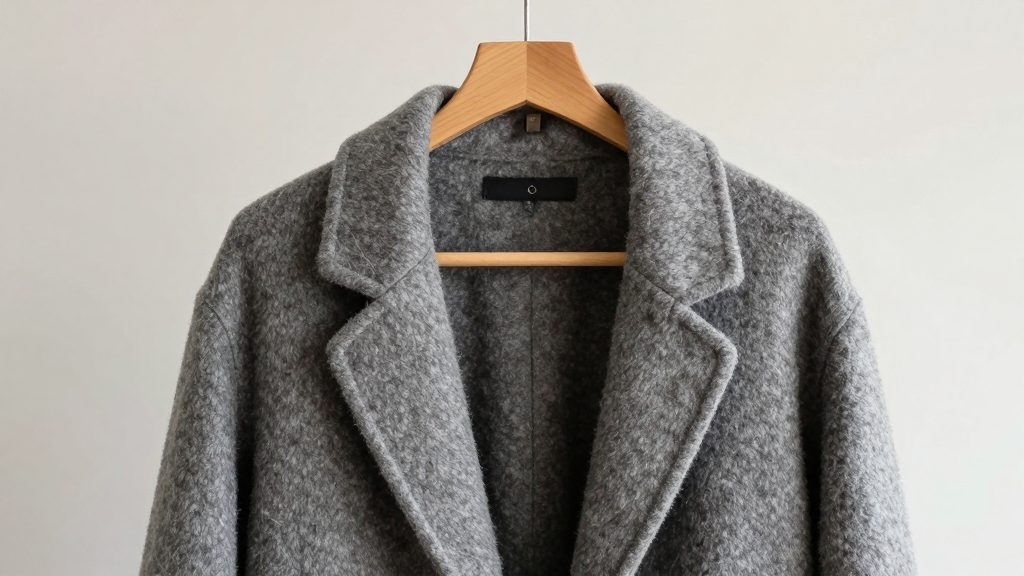
When choosing fashion items, it's more important to consider how they feel rather than just "what" you're wearing. - Natural materials like cotton, linen, and wool offer excellent breathability and comfort, but they can wrinkle easily and may change shape depending on activity. Conversely, polyester blends are less prone to wrinkling but may compromise breathability and comfort. - Always check the fit after trying on clothes. In particular, shirts and jackets should not have their shoulder seams pull apart when you raise your arms, and pants shouldn't feel tight around the waist when you sit down. - The texture and weight of the material are crucial for the overall feel, which is a key factor in determining how luxurious and comfortable an item will be.
3. Coordination is Achieved Through the Harmony of 'Highlights' and 'Balance'
One of the most common mistakes in fashion is making "everything" a highlight. This creates visual chaos and diminishes your style. - Limit yourself to 1-2 highlight items per outfit. For example, adding a slim brown belt over a shirt or incorporating a colorful scarf under a coat can provide enough functional highlights. - To create a balanced look, limit the number of patterns and prints to a maximum of two. Choose one simple pattern like checks, stripes, or a print, and keep the rest of the items solid-colored. - When harmonizing colors, consider "complementary" categories. For example, pastel tones can be paired with gray or ivory, and denim works well with beige or vibrant colors.
4. 'Sustainability' in Fashion Starts with Quality and Frequency of Wear
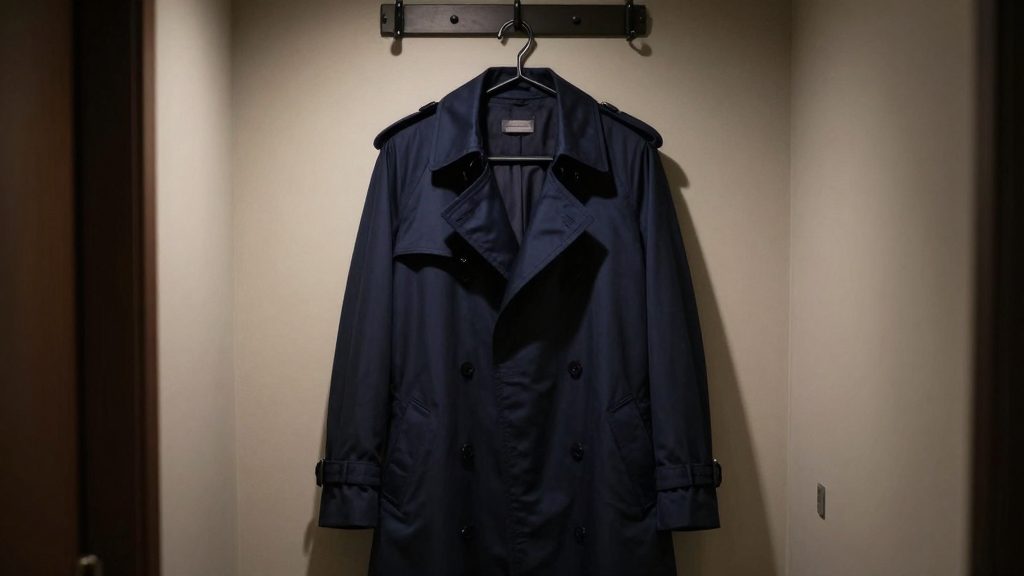
Fashion habits tend to be difficult to change over time. However, developing the habit of choosing high-quality clothes can significantly improve your quality of life in the long run. - If an item is worn frequently for over two years, it's a good indication that it offers excellent value. In fact, most contemporary brands find that coats, denim pants, and basic t-shirts are the items worn most often. - If you have items in your closet that haven't been worn in over three years, consider organizing them and removing items that don't complement your usual outfits. - The durability of the material and proper care (washing methods, storage techniques) can extend the lifespan of your clothes by more than double. In particular, when washing cotton items, turn them inside out and use a mild detergent to maintain their quality.
Summary at a Glance
- The fit and color harmony of basic items determine the overall quality of your look. Stick to a maximum of three colors and ensure that the shoulder line and waist fit snugly.
- Material quality and fitting tests are essential for comfort. Always check the fit when you raise your arms or sit down to ensure that it doesn't compromise the garment.
- Limit yourself to 1-2 highlight items and harmonize patterns and colors with a maximum of two types to create visual balance.
- Sustainability in fashion starts with quality and frequency of wear. Items worn frequently for over two years offer excellent value, and you should regularly check your washing and storage methods.
Fashion is not just about "looking good"; it's a tool for expressing yourself and expanding your self-awareness. The clothes you wear today can shape the person you become tomorrow.
Related posts
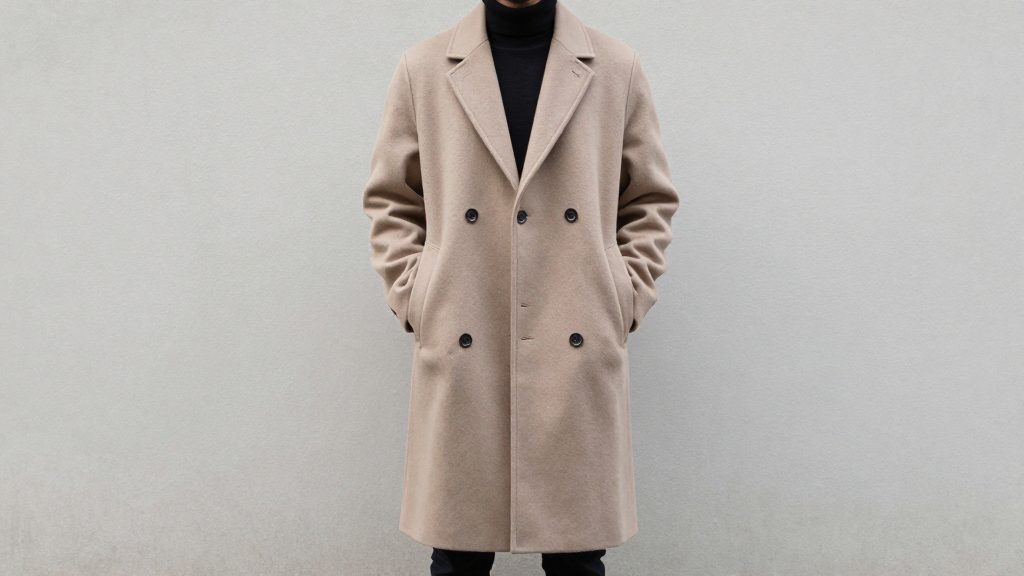
A styling guide for achieving a perfectly tailored "oversized coat" look, based on 5 key principles.
Here are 5 key principles for creating a versatile and stylish wardrobe.
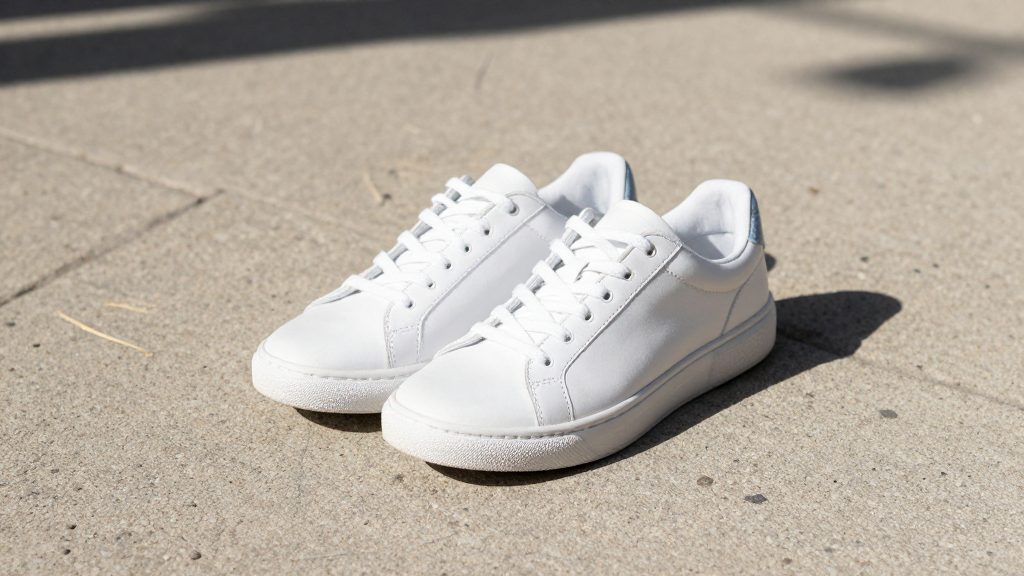
The ultimate canvas for casual style: Sneakers vs. Lace-up sandals – which one complements a relaxed look better?
Coat Selection Criteria: Choose a thick coat appropriate for the season, and select the right fit and material to enhance your overall style.
Popular posts
A styling guide for achieving a perfectly tailored "oversized coat" look, based on 5 key principles.
Here are 5 key principles for creating a versatile and stylish wardrobe.
The ultimate canvas for casual style: Sneakers vs. Lace-up sandals – which one complements a relaxed look better?
Comments 0