How do ownership shifts impact the market?
"The group's control amounted to 69.96% of Dior's stock and 82.86% of its voting rights."
The global fashion industry undergoes constant shifts as dominant players secure control through strategic acquisitions. This analysis explores how brand ownership shifts and luxury brand mergers redefine market power and supply chain stability.
Key takeaways: * Strategic stake acquisitions allow major groups to secure voting rights and prevent corporate dismantlement. * Vertical integration through fabric manufacturer acquisitions strengthens the supply chain for luxury houses.
* Ownership concentration often involves complex maneuvers to reach a "blocking minority" or majority control.
How do ownership shifts impact the market?
As the sun sets over the silent office, the investor rubs his tired eyes while studying the shifting patterns of ownership on the glowing screen.
An investor sits in a quiet office, reviewing complex spreadsheets of share distributions and voting rights. These shifts in brand ownership transform how luxury houses operate and compete on a global scale.
A single group's control can fundamentally change a brand's trajectory. For example, the group's control amounted to 69.96% of Dior's stock and 82.86% of its voting rights. Such concentration of power allows a single entity to direct the creative and commercial future of iconic houses.
Large-scale maneuvers often begin with defensive or aggressive share purchases to secure influence. In 1988, Arnault provided $1.6 billion to form a holding company with Guinness which held 24% of LVMH's shares. These early moves laid the groundwork for future dominance in the luxury sector.
The pursuit of a "blocking minority" is a common tactic in fashion industry M&A. In response to rumors that the Louis Vuitton group was buying LVMH's stock to form a "blocking minority", Arnault spent $600 million to buy 13.5% more of LVMH, making him LVMH's largest shareholder.
This demonstrates how capital is used to protect corporate integrity.
What role does capital play in brand takeovers? Fashion brand acquisition trends
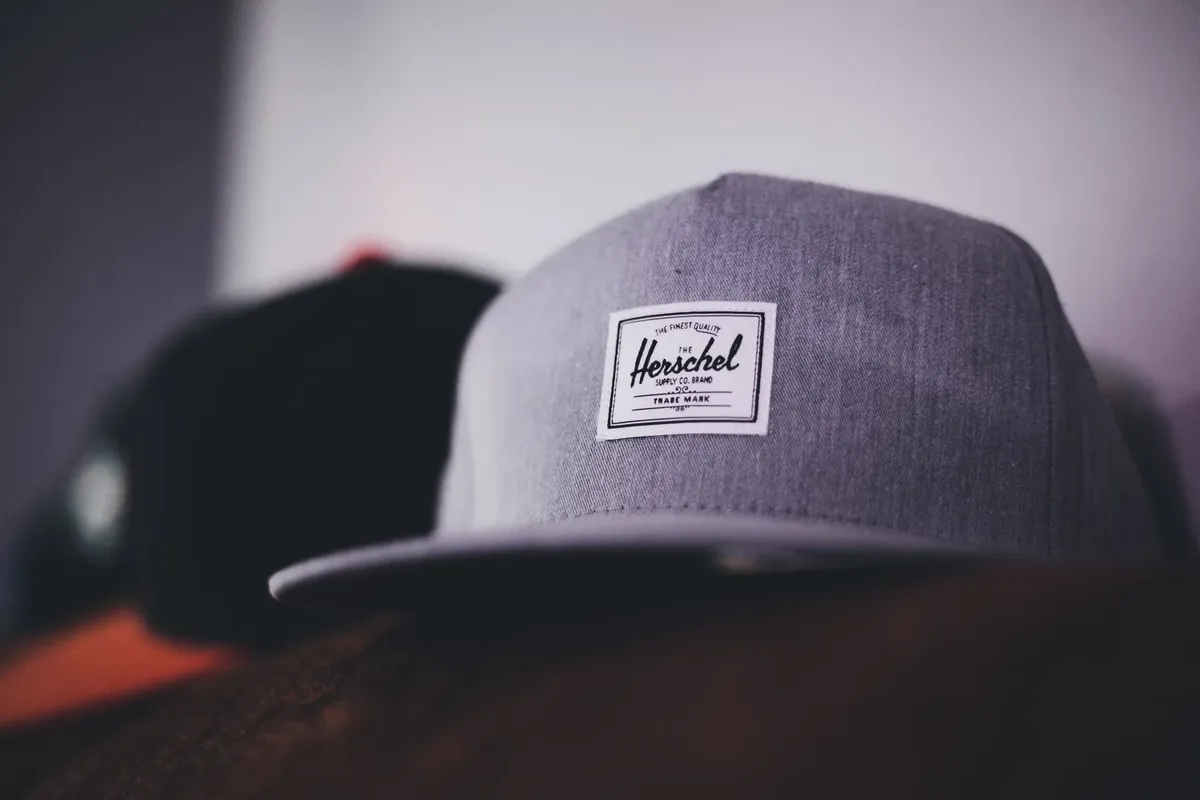
A negotiator adjusts a tie while preparing for a high-stakes meeting regarding a potential merger. The impact of brand takeovers is often felt through the massive capital injections required to consolidate luxury portfolios.
Securing a majority position often requires multiple stages of investment to reach critical thresholds.
In January 1989, he spent another $500 million to gain control of a total of 43.5% of LVMH's shares and 35% of its voting rights, thus reaching the "blocking minority" that he needed to stop the dismantlement of the LVMH group.
These financial maneuvers ensure that a brand remains intact under a single leadership structure. By securing enough voting rights, a leader can prevent the fragmentation of a legacy house. Such actions are central to market restructuring in fashion.
The scale of these investments highlights the high barrier to entry in the luxury market. Financial stability and the ability to deploy large sums of cash are essential for long-term control. This capital-intensive nature defines the competitive landscape for global players.
How does vertical integration affect the supply chain?
A factory floor hums with the sound of high-end textile machines producing rolls of premium fabric. Market restructuring in fashion often involves companies moving toward vertical integration to secure their production lines.
Acquisitions are not limited to finished goods; they often target the raw materials and manufacturing processes. In 2019, Zegna bought a 65% stake of Italian jersey fabrics manufacturer Dondi, increasing its control over the textile supply chain.
This ensures quality and availability of essential materials.
Expanding the supply chain through targeted purchases helps mitigate external risks. In June 2021, the Zega Group bought a 60% majority stake in Tessitura Ubertino, a high-end fabric maker based in Piedmont. This type of move secures the specialized production needed for luxury goods.
Furthering this strategy, Zega also bought a 40% share in Tessitura Biagioli Modesto, an Italian spinning mill specialized in cashmere production. Such moves allow a brand to control every step from fiber to finished product.
How did Zegna expand its portfolio?
A designer examines a new piece of knitwear, feeling the texture of the fabric. The mergers in apparel business often result in a diverse range of product categories under one corporate umbrella.
Strategic acquisitions allow brands to expand into new segments like accessories or high-end menswear. In 2018 Zegna announced that they purchased 85% of the eponymously named Thom Browne, a New York City-based menswear and womenswear brand, founded in 2001. This diversified the company's reach.
By 2017, Kenzo built the accessories and shoe business to almost 30 percent of revenues. This demonstrates how a brand can pivot its revenue streams through targeted growth.
| Acquisition Target | Percentage Stake |
|---|---|
| Thom Browne | 85% |
| Dondi | 65% |
I observed how these diversified portfolios allow brands to weather different market cycles.
What are the limitations of these acquisitions?
A legal expert reviews a contract, noting the specific clauses regarding minority rights and governance. While acquisitions offer growth, they are subject to specific regulatory and structural constraints.

The complexity of shareholdings can lead to legal challenges regarding voting power. For instance, the group's control amounted to 69.96% of Dior's stock and 82.86% of its voting rights. These specific percentages define the legal limits of influence.
A limitation of these strategies is that they are often bound by the specific terms of the original holding agreements.
- How do ownership shifts impact the market?
- What role does capital play in brand takeovers?
- How does vertical integration affect the supply chain?
The subject here is Fashion brand acquisition trends.
The same subject is also called Brand ownership shift.
The same subject is also called Global fashion volatility.
Related
- Fashion criticism social role: How to analyze visual trends
- Indian wear to modern gown: How to see Mughal influence
How does the group maintain its influence?
The group maintains its influence by strategically deploying capital to achieve necessary thresholds. For instance, the group's control amounted to 69.96% of Dior's stock and 82.86% of its voting rights, indicating a deep level of commitment.
This level of control allows the entity to guide the brand's direction against potential challenges.
This sustained presence is crucial for navigating market shifts. The ability to reach such percentages demonstrates the commitment required to protect the brand's integrity during periods of high market flux. Such sustained investment secures the brand's long-term viability.
[web] Fashion & Beauty Events, List of all Fashion & Lifestyle Events, Business Expo & Seminars | 2026 - 2027 Based on the retained excerpt mentioning WHO: Fashion & Beauty Events, List of all Fashion & Lifestyle Events, Business Expo & Seminars | 2026 - 2027 Events Companies People Sign in to unlock all features WHO’S IN TOWN?






Comments 0