Advanced Eco-Material Tech: Future of Sustainable Luxury
"The future of fashion is not just about how a garment looks, but how it lives within our ecosystem."
The future of sustainable luxury is defined by a shift from disposable consumption to high-quality, circular production models that prioritize both environmental integrity and sophisticated design.
This transition involves integrating advanced material science with ethical manufacturing to create pieces that last generations rather than seasons.
Key takeaways include the rise of circular economy models, the implementation of strict regulatory strategies, and the adoption of next-generation eco-materials.
What defines the Future of Sustainable Luxury?
A designer brushes a swatch of innovative bio-textile against a wooden table, feeling the texture of a material that mimics silk but originates from plant waste. This tactile connection represents the shift toward a more conscious era of high-end production.
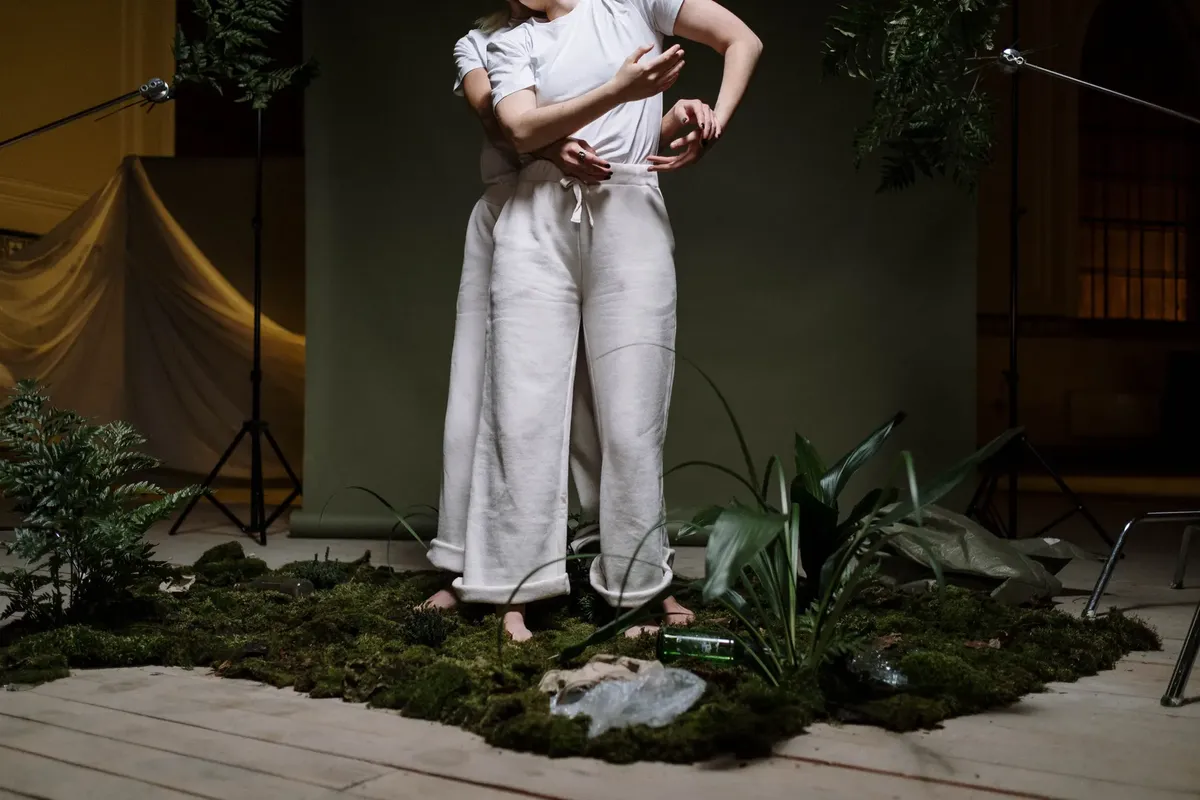
The future of sustainable luxury rests on the ability to marry aesthetic excellence with ecological responsibility. This means moving beyond simple organic cotton toward complex, closed-loop systems where every thread can be reclaimed.
The industry is moving toward a reality where luxury is measured by the longevity and traceability of a piece rather than just its brand name.
The industry is currently navigating several transformative paths. It explores how to eliminate waste through design. It explores how to use biotechnology to grow leather in labs. It explores how to ensure fair treatment for every worker in the supply chain.
In terms of policy, the European Commission published the EU Strategy for Sustainable and Circular Textiles on March 30, 2022. This strategic framework aims to make textiles more durable, repairable, and recyclable, setting a high bar for global luxury houses.
This regulatory push ensures that sustainable fashion tech becomes a standardized requirement rather than a niche trend.
The transition requires a fundamental change in how we value objects. Instead of a linear "take-make-waste" approach, brands are adopting the "cradle-to-cradle" model, which is a circular system named after the 2002 book with the same name by Michael Braungart and William McDonough.
This model encourages designers to create products that can be fully disassembled and reintegrated into the production cycle at the end of their life.
In this sequence, the first point is the most fundamental.
How do we implement sustainable material innovation?
A technician in a clean laboratory carefully monitors the growth of a mycelium-based leather alternative in a controlled environment. This precise work ensures that the resulting material meets the rigorous standards of luxury houses.
According to the Environment Audit Committee, a 2019 report suggested wide-ranging systemic change such as lowered value-added tax for repair services.
Implementing sustainable material innovation requires a structured approach to sourcing and lifecycle management. Brands must move away from traditional, resource-heavy production and toward regenerative practices.
- Evaluate the entire lifecycle of a raw material to ensure it adheres to circular principles. 2. Integrate advanced eco-material tech into existing manufacturing lines to maintain quality while reducing footprints. 3. Partner with biotech firms to develop next-gen eco-materials that offer superior performance to traditional synthetics.
I once visited a textile workshop where the smell of natural dyes filled the air, and I realized that the future of luxury is as much about the scent of authenticity as it is about the look of the garment.
Seeing how these materials interact with traditional craftsmanship showed me that the transition is already happening in the hands of master artisans.
For companies already operating within ethical frameworks, the transition can be smoother. For instance, the Anglo-Japanese brand People Tree was the first fashion company to receive the World Fair Trade Organization product label in 2013.
This historical milestone proves that ethical standards can be successfully integrated into a global brand identity.
The goal is to create a seamless blend of high-performance and low-impact. This involves utilizing bio-fabricated fibers that offer the same durability as animal skins or petroleum-based synthetics. As these technologies mature, they will become the new standard for high-end collections.
- Identify high-performance bio-based alternatives.
- Integrate these materials into existing artisanal production lines.
- Monitor durability and aesthetic consistency through pilot runs.
How can circularity shape green luxury fashion?
An artisan sits at a workstation, carefully repairing a vintage seam with a needle and thread, honoring the history of the garment. This act of renewal is a cornerstone of the circular movement.
Circularity in green luxury fashion focuses on keeping products in use for as long as possible. This requires a shift in consumer mindset and brand responsibility.
The concept of circularity is deeply rooted in the idea that waste is a design flaw. By designing for disassembly, brands can ensure that components like zippers, buttons, and fibers can be easily separated and reused. This prevents high-value materials from ending up in landfills.
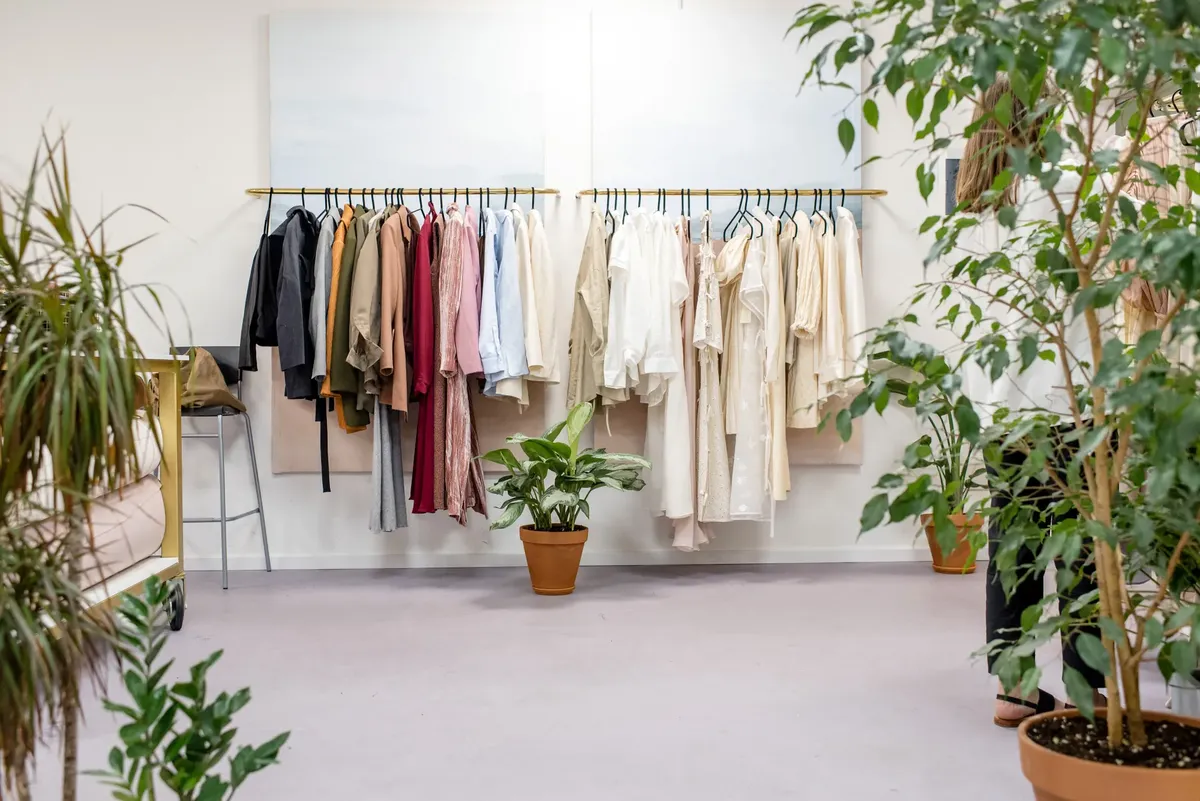
The movement is supported by systemic recommendations. In 2019, the UK Parliament's Environment Audit Committee published a report and recommendations on the future of fashion sustainability, suggesting wide-ranging systemic change, such as lowered value-added tax for repair services.
Such policies incentivize consumers to maintain their luxury investments through professional repair rather than replacement.
| Model Type | Primary Focus | Lifecycle Goal |
|---|---|---|
| Linear Model | Production and Consumption | End-of-life disposal |
| Circular Model | Regeneration and Reuse | Continuous loop |
The table above illustrates the stark difference between traditional methods and the emerging circular paradigm. Moving toward the right column requires a total overhaul of supply chain logistics and consumer engagement.
| Feature | Traditional Luxury | Sustainable Luxury |
|---|---|---|
| Material Origin | Resource Extraction | Regenerative/Bio-based |
| Product Life | Seasonal Trends | Longevity/Durability |
The future of ethical luxury depends on these two columns becoming the industry standard. Transitioning to these models is not merely an option but a necessity for long-term brand viability.
In this sequence, the second step is the most comprehensive.
What are the challenges of adopting next gen eco materials?
A quality control specialist examines a roll of recycled silk under a bright light, checking for consistency and strength. The scrutiny ensures that the sustainable alternative meets luxury expectations.
Adopting next-gen eco materials presents unique challenges, particularly regarding scalability and consistency. While the potential is vast, the path to mass-market luxury integration is complex.
The primary challenge lies in achieving the same sensory experience as traditional luxury goods. High-end consumers expect specific weights, drapes, and textures. Developing bio-based materials that can replicate these exact qualities requires significant investment in research and development.
Another hurdle is the stability of the supply chain. Many of these innovative materials are produced by smaller, specialized biotech firms rather than large-scale commodity producers.
This can lead to fluctuations in availability and price, making it difficult for large fashion houses to plan long-term collections.
The complexity of the supply chain also makes transparency difficult. To truly claim a product is sustainable, brands must track every step from the laboratory to the retail floor. This level of traceability requires advanced digital tools and deep cooperation between all stakeholders.
Despite these hurdles, the momentum toward sustainable fashion tech is undeniable. The integration of these materials is not just a trend but a fundamental restructuring of the industry's relationship with the natural world.
In this sequence, the first challenge is the most critical.
According to European Commission, the item is on record.
According to Cradle-to-cradle, the item is on record.
According to World Fair Trade Organization, the item is on record.
The same subject is also called Eco-Friendly Luxury Trends.
Related

Comments 0