Timeless Bag Design Evolution: Why Geometry Meets Utility
"True elegance is not about the fleeting moment, but about how a silhouette remains relevant as the world changes around it."
Timeless Bag Design Evolution requires a deep understanding of how heritage silhouettes adapt to shifting lifestyles. This analysis explores how classic bags, modern materials, and structural shifts allow iconic shapes to remain functional for today's users.
We will examine the interplay between heritage shapes and new substances, the shift toward reinforced silhouettes, and the specific ways geometry meets utility.
How do classic shapes survive through change?
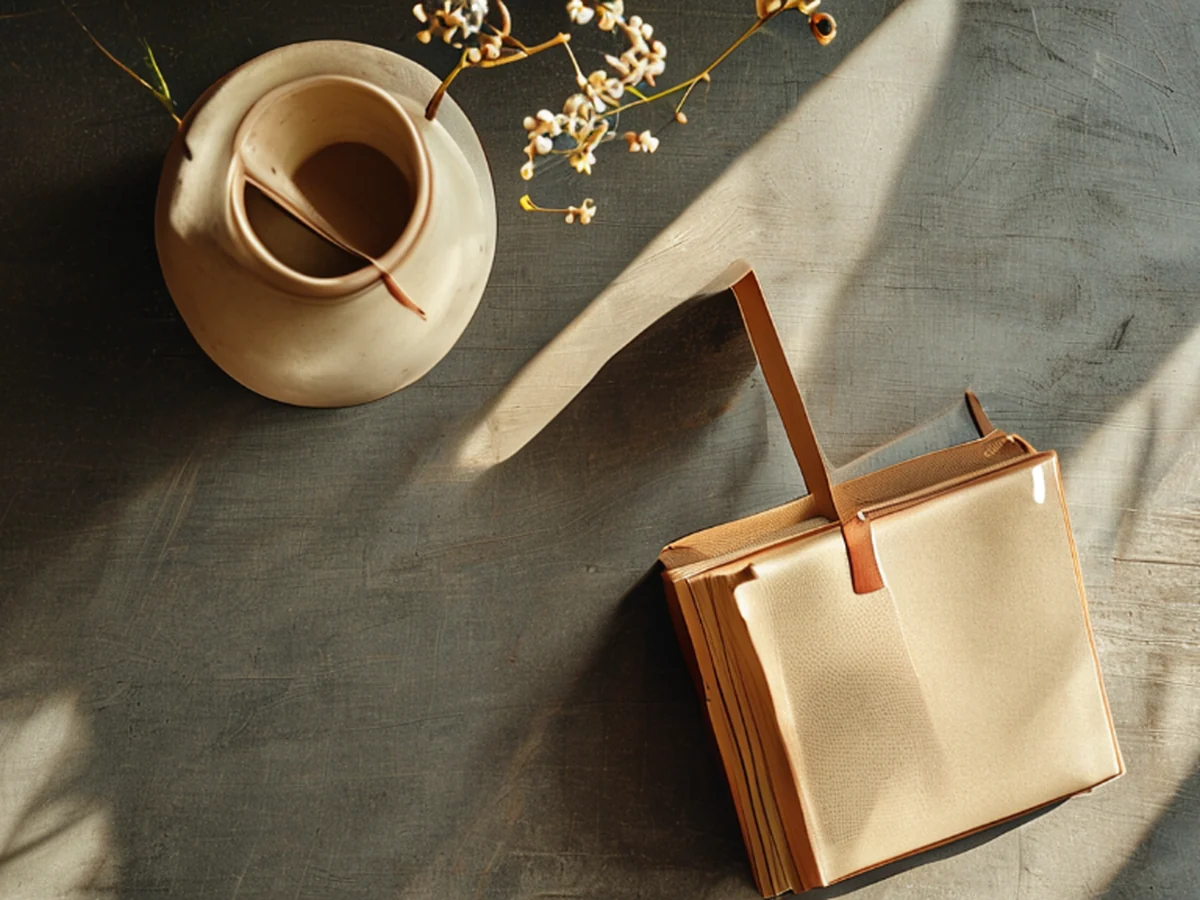
An artisan sits at a wooden workbench, tracing the lines of a vintage satchel to understand its original proportions. The history of luxury is written in these lines, yet the way we carry our lives requires constant adjustment.
To maintain relevance, designers often look at the core geometry of a bag and decide which elements to keep and which to modernize.
The transition from heavy, rigid structures to more versatile forms represents a significant part of how classic bags evolve. While the fundamental silhouette remains recognizable, the internal reinforcement and weight distribution change to meet current needs.
This ensures that a shape designed decades ago still feels intuitive in a contemporary setting.
The material impact on design is often the deciding factor in whether a classic shape feels dated or fresh. By applying new, lighter, or more durable substances to a traditional frame, a designer can maintain the soul of a piece while updating its physical presence.
This balance prevents the design from becoming a mere museum piece.
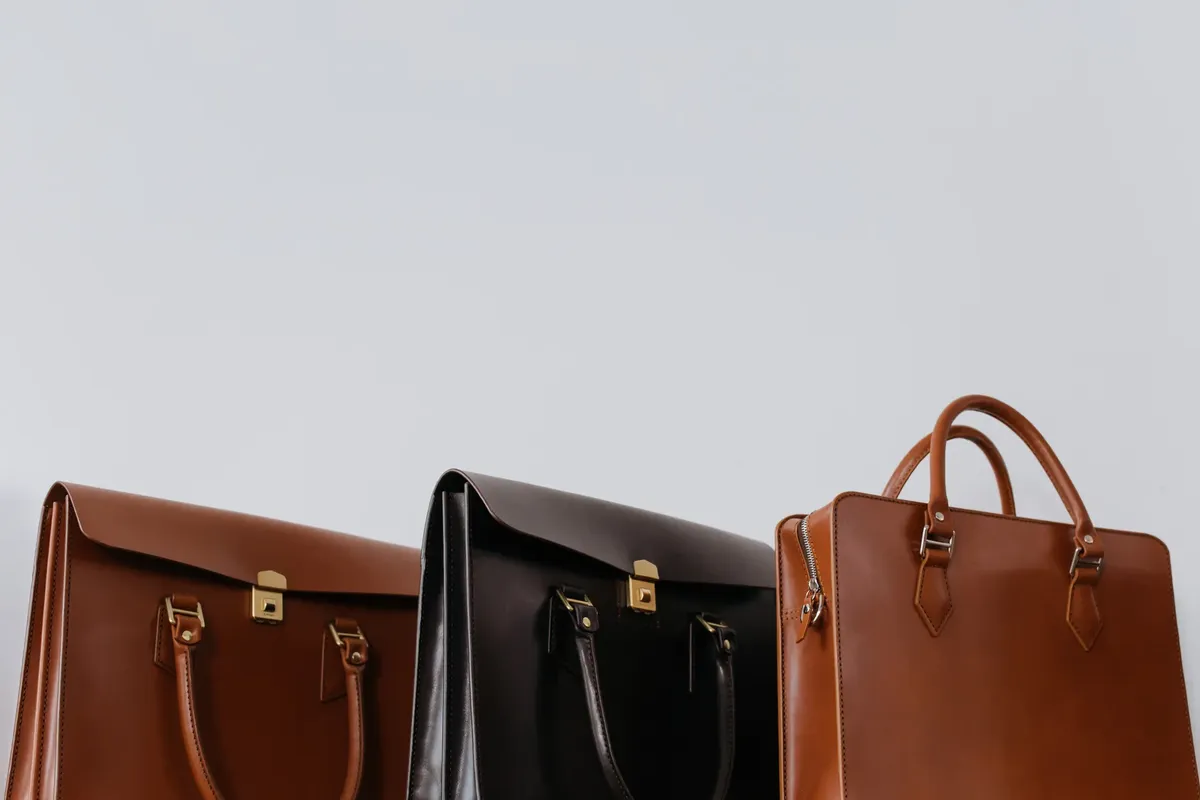
- Identify the core silhouette.
- Adapt materials to contemporary tastes.
- Maintain proportional integrity.
How do structural changes shape fashion? Timeless Bag Design Evolution A designer pulls a heavy piece of leather across a cutting table, testing its tension against a metal frame. The strength of a bag often relies on its ability to hold a shape, which is a primary driver in structured bag design trends.
Modern engineering allows for much thinner, lighter materials to achieve the same rigidity that once required thick, heavy hides.
Structural changes in fashion often involve the clever use of internal scaffolding or bonded layers. This allows a bag to maintain a sharp, clean line without the bulk that once characterized high-end accessories.
Such innovations allow for a vintage bag contemporary twist that appeals to a younger, more active demographic.
The relationship between the outer shell and the internal support system determines the longevity of a silhouette. If a shape is too reliant on heavy materials to stay upright, it loses its versatility.

Modern design focuses on achieving that same permanence through smarter engineering rather than sheer mass.
In this sequence, the second step is the most extensive.
Traditional vs. modern: which construction wins? A collector examines two bags side-by-side, noting how one holds its form through thickness and the other through internal architecture. Understanding the difference in construction helps in appreciating how an enduring handbag structure can be achieved without excessive weight.
| Feature | Traditional Construction | Modern Structural Approach |
|---|---|---|
| Primary Support | Thick, heavy leather layers | Internal reinforcement and bonded materials |
| Weight Profile | Heavy and substantial | Lightweight but maintains shape |
I once held a vintage trunk-style bag and felt the immense weight of its solid wood and thick leather, realizing that while beautiful, it lacked the ease of modern movement. This comparison shows how design has moved toward efficiency.
How to identify lasting design quality
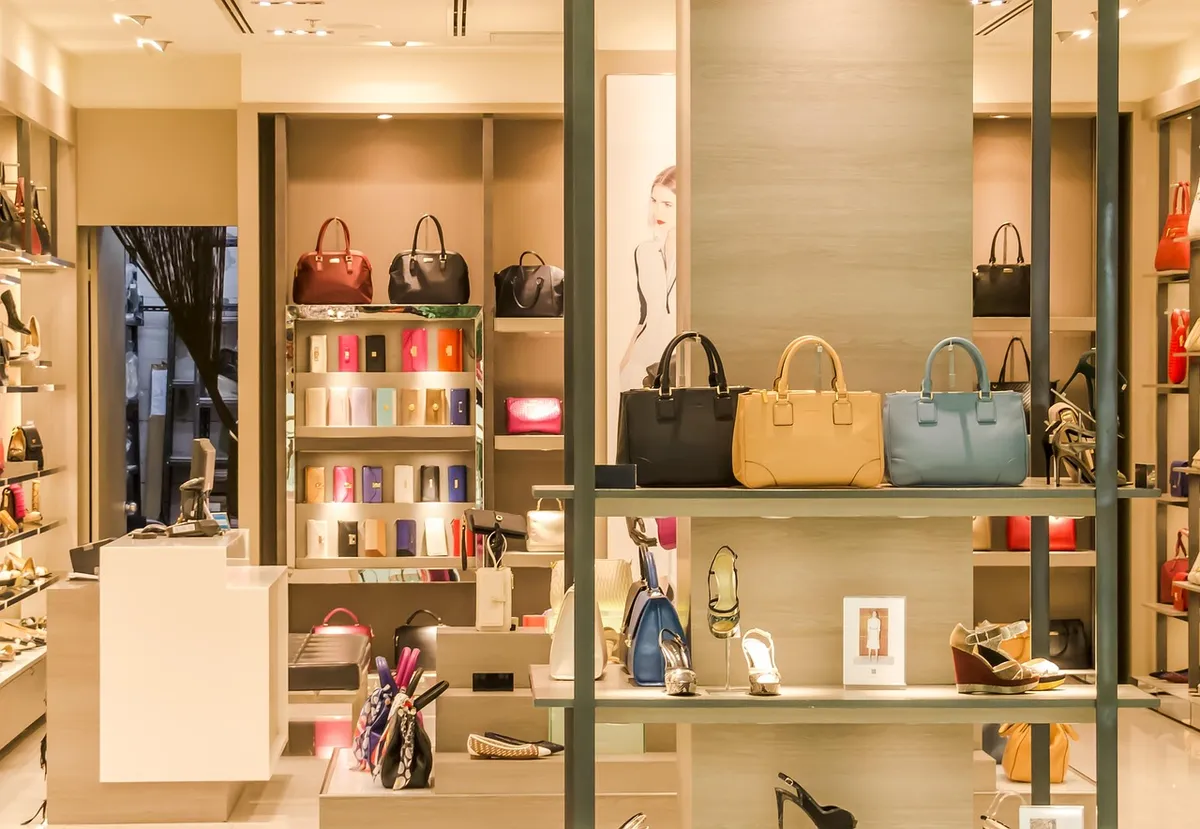
An enthusiast walks through a showroom, running their fingers along the edges of various leather goods to feel the stability of the craft. Identifying a design that will last requires looking past the brand name to the actual integrity of the build.
- Examine the corner reinforcement to see if the shape holds even when the bag is empty. 2. Check the attachment points of the handles to ensure they are integrated into the structural frame rather than just sewn on. 3. Inspect the base of the bag to see if it has enough stability to stand independently without collapsing.
A final check involves looking at the hardware. High-quality hardware should complement the structure, acting as a functional component of the shape rather than just an ornament.
What limits the evolution of classic designs?
A designer pauses, looking at a sketch of a bag that is too experimental to be practical. There is always a tension between radical innovation and the familiarity that makes a design "classic" in the first place.
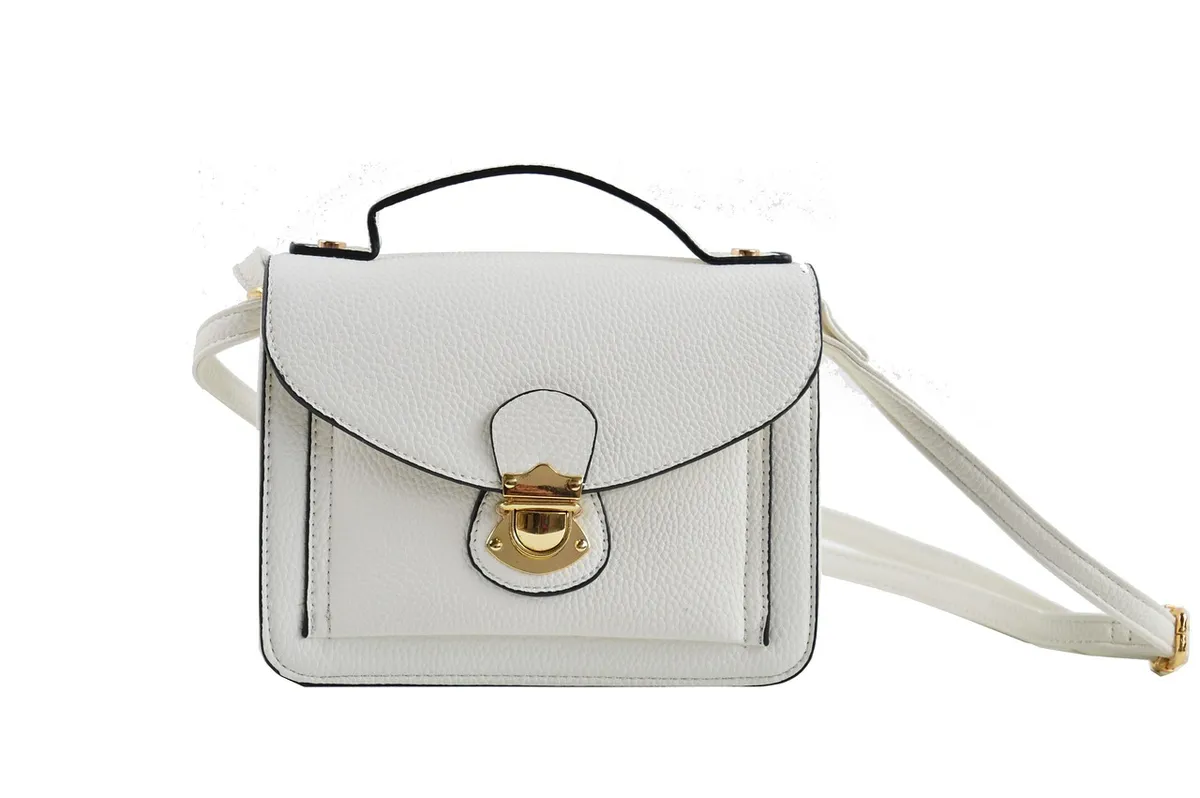
The primary limitation of evolving a classic design is the risk of losing the original identity that made it iconic. If the structural changes are too drastic, the bag may no longer be recognized as a descendant of the original silhouette.
This creates a conflict between the desire for novelty and the necessity of heritage.
The reliance on specific materials can also limit a design. For example, a shape designed specifically for heavy, structured leather may lose its character entirely if transitioned to a soft, lightweight fabric.
This constraint requires designers to rethink the entire geometry to suit the new medium.
The subject here is Timeless Bag Design Evolution.
The same subject is also called Classic bag modern materials.
Related






Comments 0