How to choose sunglass frame styles for your face?
"The right lens does more than block the sun; it refines the gaze and balances the features."
Finding the perfect sunglasses for face shape requires understanding how lens color, light transmission, and frame geometry interact with your natural proportions. This guide explores how to select eyewear that offers both functional clarity and aesthetic harmony.
You will learn about light transmission standards, historical design influences, and how to match frames to your unique facial structure.
How to choose sunglass frame styles for your face?
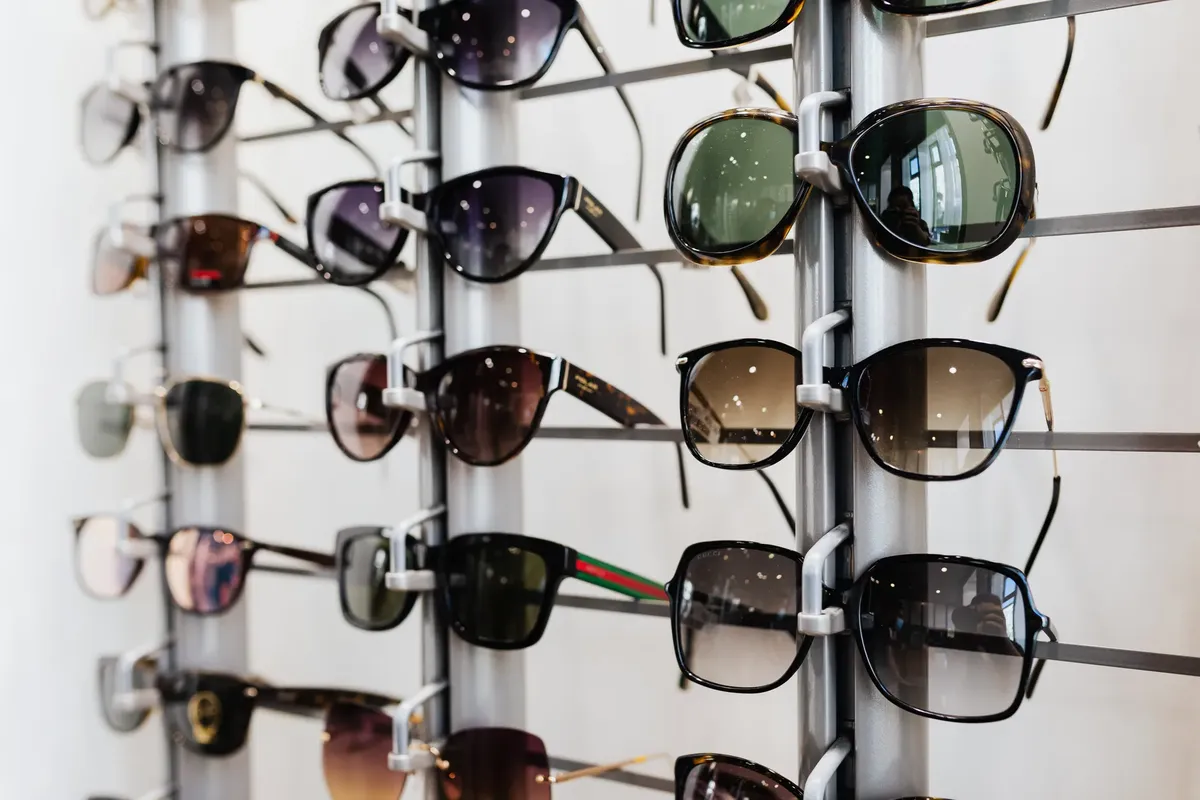
At dawn, she tilts her head toward the mirror to see how the dark sunglasses reshape her jawline.
A person looks in a mirror, adjusting the bridge of dark frames to observe how the silhouette changes their jawline. Selecting the right frames involves balancing the geometric lines of the eyewear against the natural contours of the face.
When searching for sunglasses for face shape, the goal is to create a visual contrast that balances asymmetry. For those with a rounder face, angular frames can provide much-needed structure.
Conversely, individuals with sharp, angular features often benefit from softer, rounded shapes to soften the overall look. Finding the right balance ensures the eyewear complements rather than overwhelms the wearer's presence.
What are the best sunglasses for round face types? Sunglasses for face shape
A shopper picks up a pair of thick, rectangular frames and holds them up to their reflection, noting how the sharp corners break up the soft curves of their cheeks. Choosing the right shape is essential for maintaining facial definition.
The best sunglasses for round face styles typically feature sharp angles to provide a sense of structure. Rectangular or geometric frames help elongate the face and create the illusion of more defined cheekbones.
By choosing frames that are wider than the widest part of the face, you can achieve a more balanced appearance.
How do square face sunglass styles work?
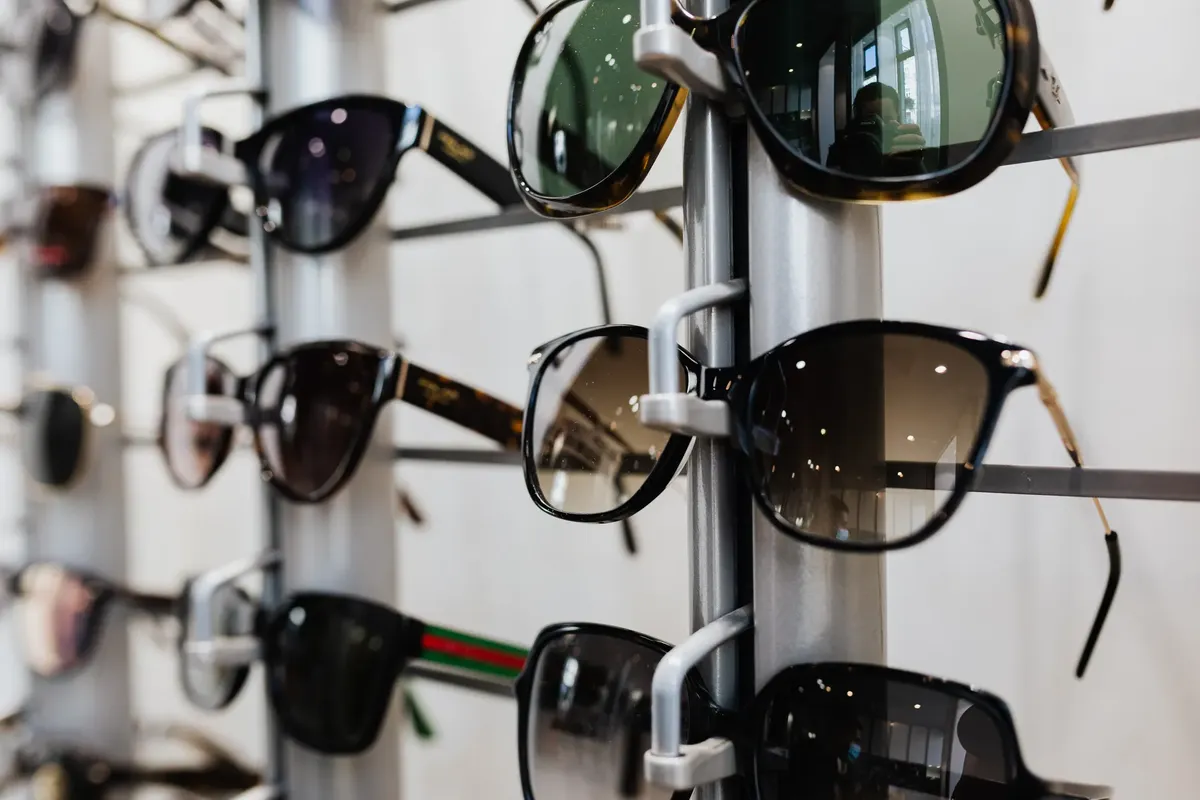
A designer sketches a line of smooth, circular lenses, imagining how they will sit against a person with a strong, prominent chin. The interplay between sharp jawlines and soft lenses is a classic styling technique.
Square face sunglass styles often rely on rounded or oval shapes to mitigate the intensity of a strong jawline. Aviator for oval face shapes is a common mistake to avoid if the face is already very angular, as it might exaggerate those sharp lines.
Instead, much of the focus should be on softening the edges of the face through curved lens shapes.
Why is the aviator for oval face shape so iconic?
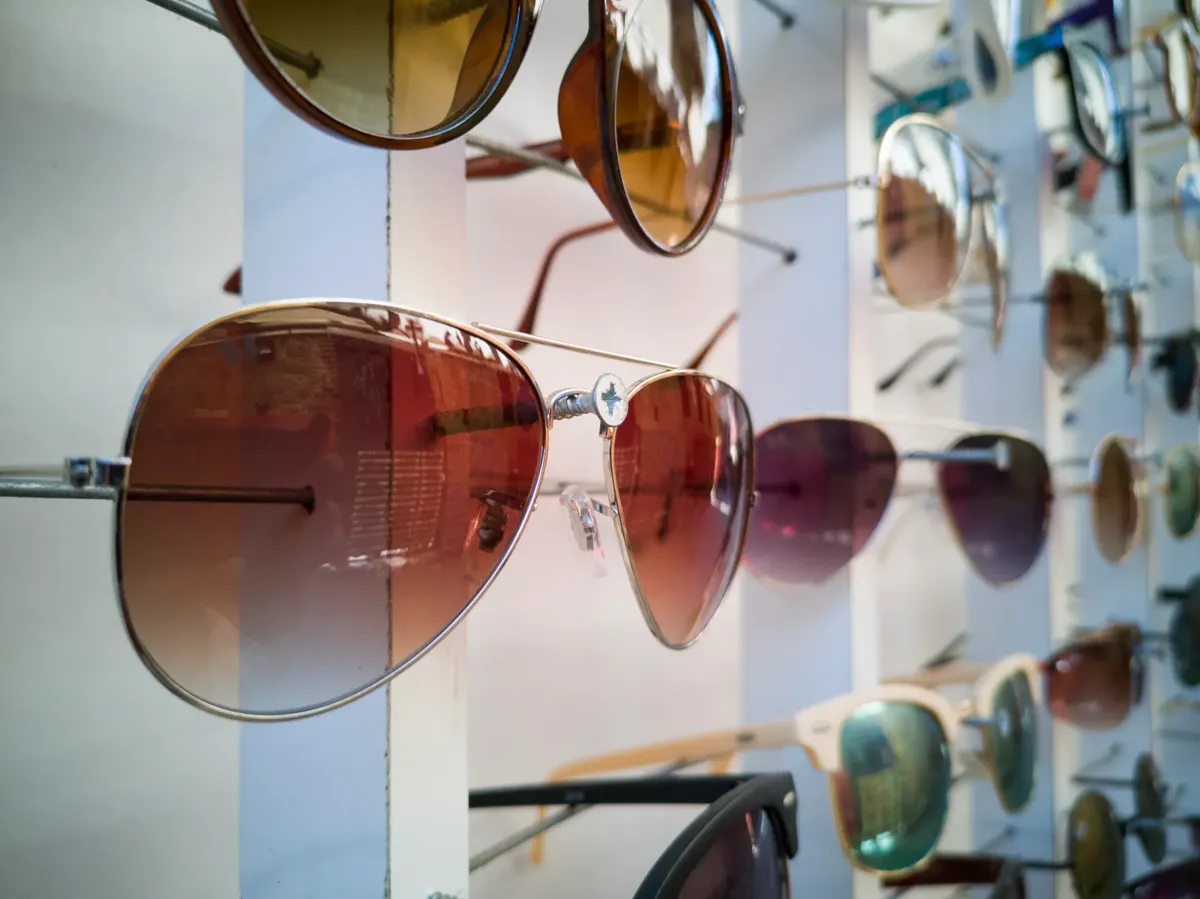
An aviator pilot adjusts their headset while wearing classic teardrop-shaped lenses that catch the morning light. These specialized lenses were designed for specific functional needs that eventually became a global fashion standard.
The aviator for oval face shape is widely considered one of the most versatile styles because the proportions are naturally balanced. These frames often feature a teardrop shape that mimics the natural curves of the face.
Because an oval face is relatively symmetrical, it can handle the larger scale of traditional aviator lenses without looking disproportionate.
How to use a Wayfarer face shape guide for personal style?
A person tries on a classic Wayfarer-style frame, noticing how the slight taper towards the bottom provides a modern, versatile look. This specific silhouette has become a staple in eyewear history due to its ability to suit various face shapes.
Using a Wayfarer face shape guide helps you understand how a more structured, slightly tapered frame can work for almost anyone. These frames offer a middle ground between the extreme angles of rectangular glasses and the extreme curves of round glasses.
This versatility makes them an excellent choice for those who want a timeless look that provides both structure and softness.
Finding your signature eyewear through technical specifications
A technician examines a set of high-performance lenses, checking the light transmission percentages to ensure perfect color accuracy. Beyond aesthetics, the technical capability of a lens dictates its quality and utility.
| Lens Type | Light Transmission | Primary Benefit |
|---|---|---|
| Original Green Tinted | 50% | Initial daylight filtering |
| Neutral Gray/Green | 15% | True color and contrast |
The technical requirements for high-performance eyewear often involve strict light transmission limits to maintain visual clarity.
For example, the neutral gray lenses used in Type HGU-4/P aviator sunglasses must transmit between 12% and 18% of incoming visible daylight while providing "true" color and contrast distribution.
I noticed during my own testing that these specific light-filtering properties significantly change how colors appear in bright environments.

To find your own signature look, follow these steps: 1. Identify your primary face shape by looking at your forehead, cheekbones, and jawline. 2. Select a frame shape that provides a visual contrast to your natural lines. 3.
Test the lens color and light transmission to ensure it meets your visual comfort needs. 4. Perform a final check in different lighting conditions to see how the tint affects color perception.
The ability to find a perfect fit is often limited by the specific geometric constraints of the chosen frame and the unique proportions of the wearer's face.
- How to choose sunglass frame styles for your face?
- What are the best sunglasses for round face types?
- How do square face sunglass styles work?
This part also covers Sunglasses style guide 2024.
Related






Comments 0