Fast fashion carbon footprint: 10% of global emissions
"The sheer volume of discarded clothing is reshaping our landscapes, turning closets into sources of environmental strain."
The fast fashion carbon footprint is growing as global textile waste reaches unprecedented levels through rapid production cycles. This analysis explores the environmental consequences of rising consumption and the regulatory shifts aimed at mitigating the fashion waste problem.
Key takeaways include the massive scale of annual textile waste, the impact of microplastics on marine environments, and the strategic shift toward durability over disposability.
How does the fast fashion carbon footprint affect our planet?
A heavy shipping container sits on a dock, symbolizing the endless flow of goods. The manufacturing of these items requires massive resources, contributing significantly to global emissions and water depletion.
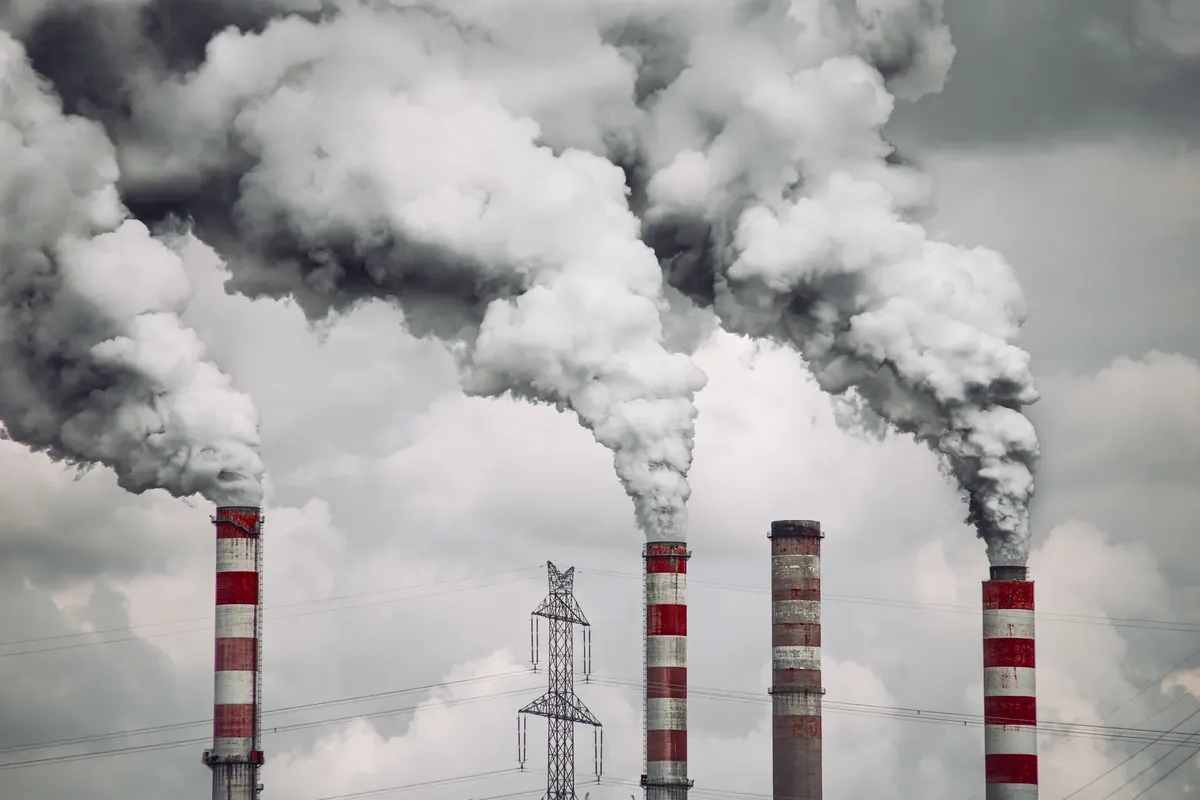
Fast fashion accounts for around 10% of global carbon emissions and consumes large amounts of water. This industrial scale involves processes such as dyeing and fiber production that pollute waterways and release microplastics.
These cycles create a persistent clothing consumption impact that burdens natural ecosystems.
In this order, the first point is the most significant.
What defines the scale of the fashion waste problem?
I stand in the middle of the landfill at noon, feeling the heat as I stare at the fast accumulation of discarded clothes.
An overflowing bin in a metropolitan apartment shows the reality of modern consumption. The sheer quantity of discarded items reflects a culture of rapid turnover and low-quality materials.
According to the Environmental Protection Agency, 17 million tons of textile waste were produced in 2018 alone. This massive volume highlights the growing textile pollution issues facing urban centers and landfill management systems.
As production increases, the difficulty of managing these materials grows.
How much does clothing volume growth impact marine life?
I crouch on the salty beach at dawn, feeling the cold spray as I watch fast waves pull synthetic threads into the deep.
A single synthetic shirt sits near a coastline, where tiny particles can easily escape into the sea. The microscopic remnants of our wardrobe pose a silent threat to oceanic health.
The European Environment Agency estimates that between 200,000 and 500,000 tonnes of microplastics from textiles enter the global marine environment each year. These particles represent a significant portion of the pollution found in the water.
Managing these invisible pollutants is a central challenge for environmental protection.
What are the primary green fashion challenges for the industry?
A designer looks at a pile of scrap fabric, searching for a way to reuse the material. The transition to a circular economy requires rethinking how every fiber is handled.
The European Commission's goal for 2030 is to encourage consumers to invest in high quality products rather than fast fashion, and to ensure all textile products are durable, whether they are recycled materials or not. This strategy aims to combat the textile waste crisis by prioritizing longevity.
By shifting focus to quality, the industry seeks to reduce the overall volume of waste generated.
How can we manage the textile waste crisis through regulation?
A government official reviews a new policy document designed to change industrial standards. Regulatory frameworks are essential to guide the industry toward more sustainable practices.
On March 30, 2022, the European Commission published the EU Strategy for Sustainable and Circular Textiles which outlines the EU's action plan to achieve better sustainability and regulation within the textile industry.
This framework provides a roadmap for addressing the environmental damage caused by mass production. It serves as a template for how regions might handle the growing waste of modern consumerism.
How do we transition to a more sustainable wardrobe?
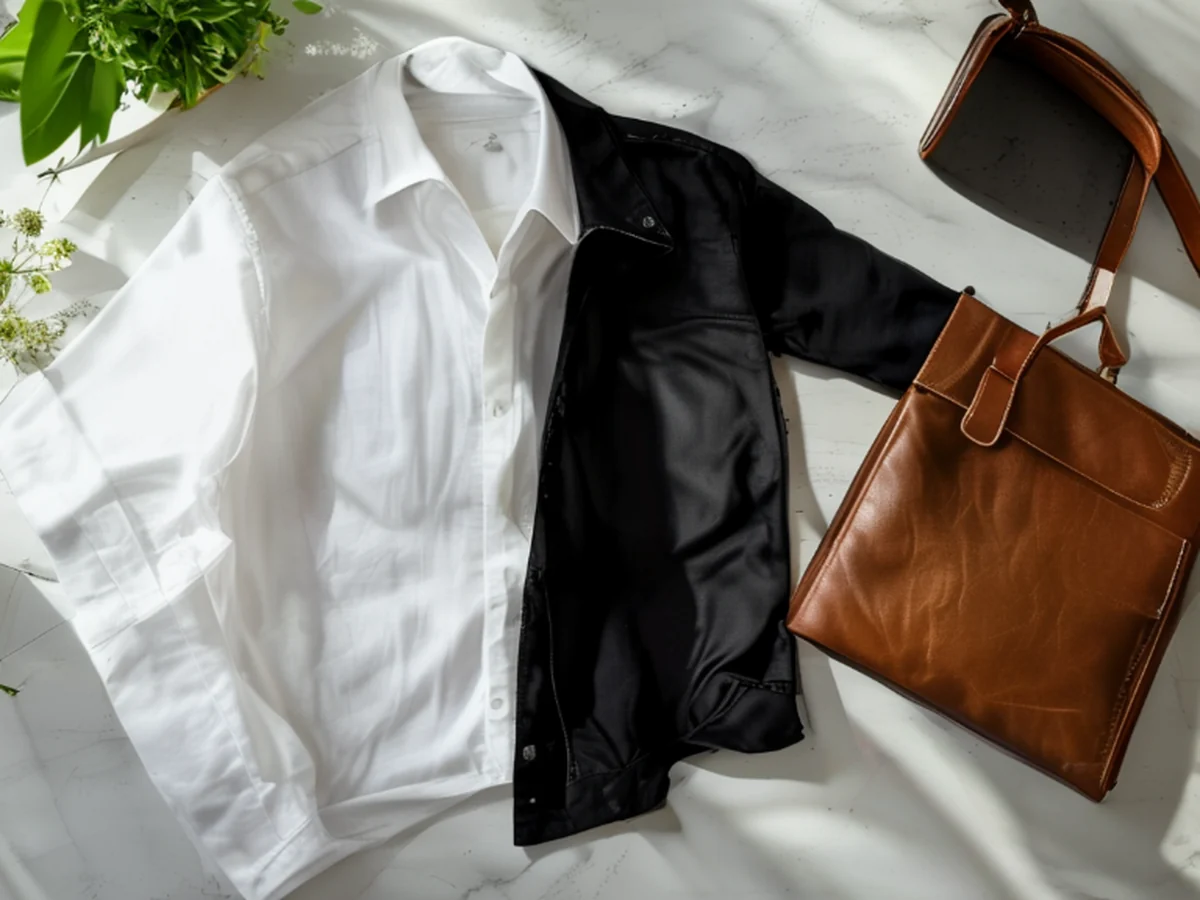
A consumer carefully examines the stitching of a new garment, looking for durability. Moving away from disposable trends requires a change in both production and purchasing habits.
- Prioritize high-quality materials that offer longevity to reduce the need for frequent replacements. 2. Support brands that adhere to circularity and use durable construction methods. 3. Implement a regular check of existing clothing to maximize the life of every piece.
I once spent an entire afternoon sorting through my own closet to see how much was actually wearable, which made the scale of waste feel much more personal. The goal is to move toward a system where items are built to last rather than being discarded after a single season.
The limitation of these strategies is that they depend heavily on the successful implementation of global regulatory standards and the willingness of consumers to change long-standing habits.
- Evaluate your current clothing inventory to identify what you truly need.
- Prioritize purchasing high-quality garments that offer longevity.
- Repair or repurpose existing items to extend their lifecycle.
The subject here is Fast fashion carbon footprint.
This part also covers Analyzing fast fashion emissions.
This part also covers Managing textile waste crisis.
Related







Comments 0