Early Korean fashion history: Guide to industry growth
"The threads of history are often woven in the quiet moments of creative struggle and the loud triumphs of international recognition."
The early development of the Korean fashion industry was shaped by individual entrepreneurial spirit and the gradual establishment of professional associations.
This era saw designers moving from local boutique creation to international stage presence through strategic brand launches and association-led opportunities.
This article explores the foundational steps of industry growth, the role of professional organizations, and the transition toward global engagement.
How did early designers establish their professional presence?
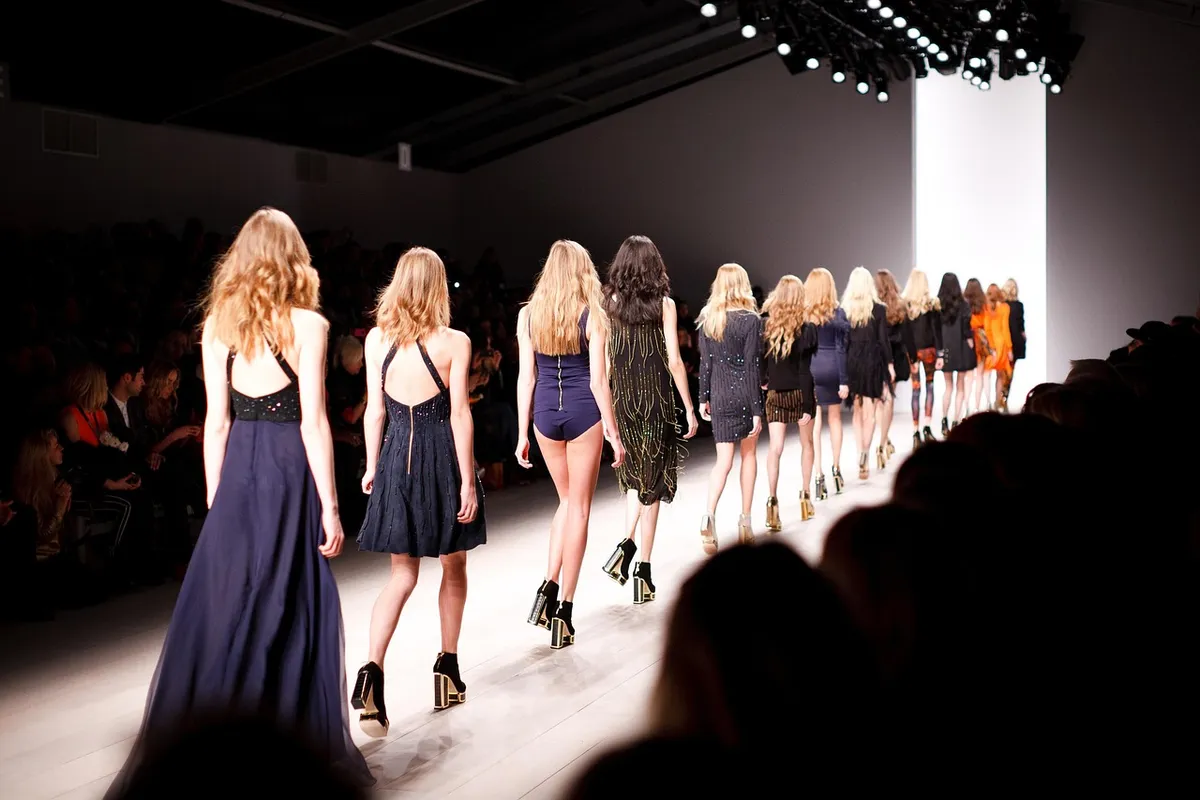
A designer stands before a sewing machine, carefully selecting fabric to define a new brand identity. In the late 20th century, establishing a personal brand was a critical step for those seeking to move beyond local manufacturing.
One designer launched his own brand in 1997, marking a significant moment of professional independence.
This transition from local craft to brand ownership allowed for more cohesive creative visions.
This kind of recognition helped bridge the gap between domestic production and international visibility.
The ability to present collections internationally served as a vital catalyst for the industry. Such invitations validated the artistic merit of local designers while providing a platform for broader cultural exchange.
These early steps laid the groundwork for the sophisticated global presence seen in later decades.
- Developing a signature aesthetic style.
- Building personal relationships with high-profile clients.
- Securing placement in prominent local boutiques.
What role did professional organizations play in industry growth?
An empty runway waits for the first model to walk, representing the organized structure of a fashion show. Professional organizations provided the necessary framework to elevate individual talent into a recognized industry.
They facilitated connections between designers and international markets, ensuring that local creativity could reach a global audience.
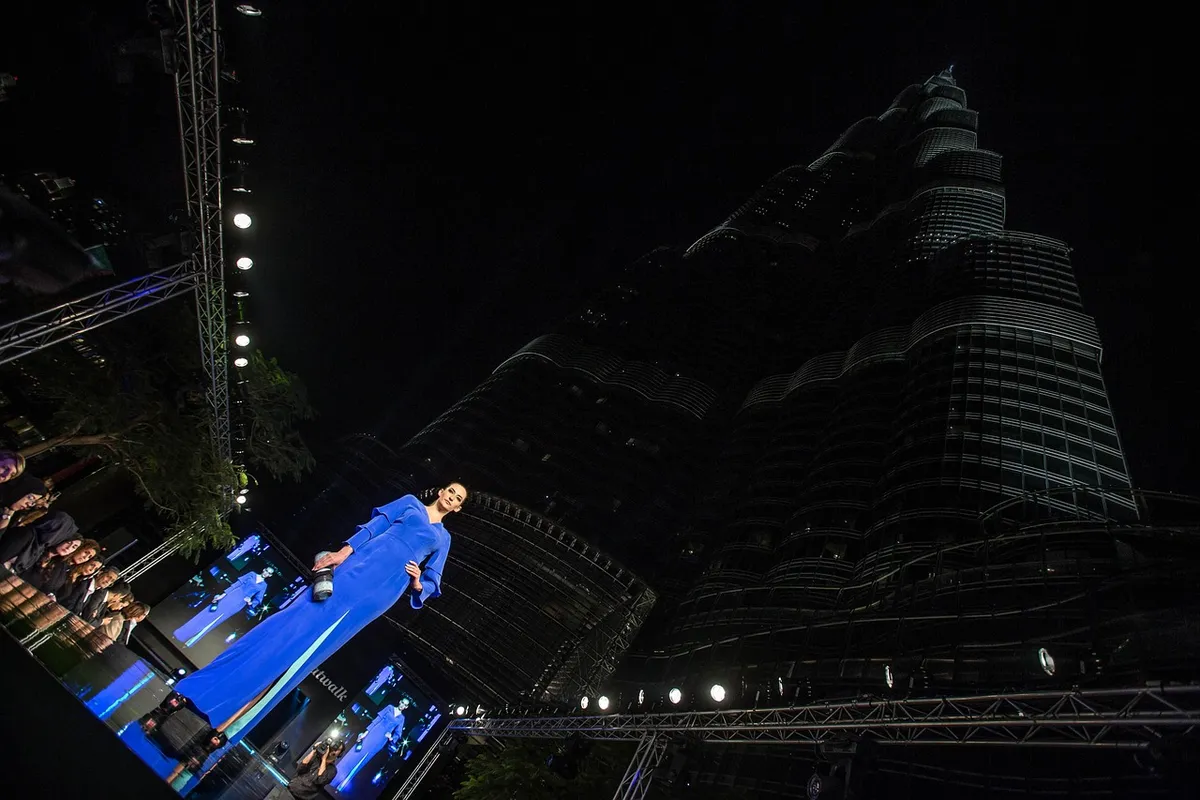
The Korean Fashion Association played a role in providing professional validation through international invitations. By organizing events like Hongging Fashion Week, they helped transition the industry from a local craft to a competitive global player.
This structure allowed designers to showcase their work to a wider demographic.
These organizations acted as a bridge between domestic talent and the international fashion community. They provided the legitimacy required to participate in high-profile global events. This organizational support was essential for the scaling of artistic achievements into commercial successes.
In this sequence, the second step is the most significant.
How did international recognition impact local designers?
A designer watches a collection being critiqued by an international audience via a livestream or a distant runway. Seeking recognition abroad became a primary goal for those looking to validate their unique aesthetic.
This pursuit of global visibility often began with small, targeted presentations in major fashion hubs.
The invitation to present a collection at Hong Kong Fashion Week served as a crucial milestone for an emerging brand. Such opportunities allowed designers to test their concepts against international standards. This exposure was a key component of the early Korean fashion era and its expansion.
International platforms provided a different kind of feedback than domestic markets. Designers had to adapt their visions to meet global tastes while maintaining their unique cultural identity.
This tension between local roots and global appeal became a defining characteristic of the industry's growth.
How can we compare early brand development to modern industry standards?
A designer compares a vintage pattern to a modern digital design on a tablet. The evolution of the industry can be seen through the lens of how brands were built and presented. Comparing the early stages of brand identity to modern globalized standards reveals the rapid pace of change.
| Feature | Early Brand Development | Modern Industry Standards |
|---|---|---|
| Primary Goal | Establishing brand identity | Global market dominance |
| Key Platform | Regional fashion weeks | Digital and global runways |
Reflecting on these differences, I noticed how the initial focus on personal brand identity in 1997 set a precedent for independent designers. The transition from small-scale production to organized international presentations was a fundamental shift.
This evolution remains a core part of the industry's narrative.
A limitation of this historical overview is that it focuses on specific milestones rather than the comprehensive socio-economic factors of the entire era.
What were the steps to move from local to international fashion?
A designer packs a suitcase with fabric samples and sketches, preparing for a journey to a foreign city. The transition from a local boutique to an international presence required a disciplined approach to business and creativity.
This process often involved a series of strategic moves to gain visibility.
- Launch a unique personal brand to establish a distinct creative identity. 2. Seek validation from professional associations to secure international opportunities. 3. Present collections at international fashion weeks to gain global exposure.
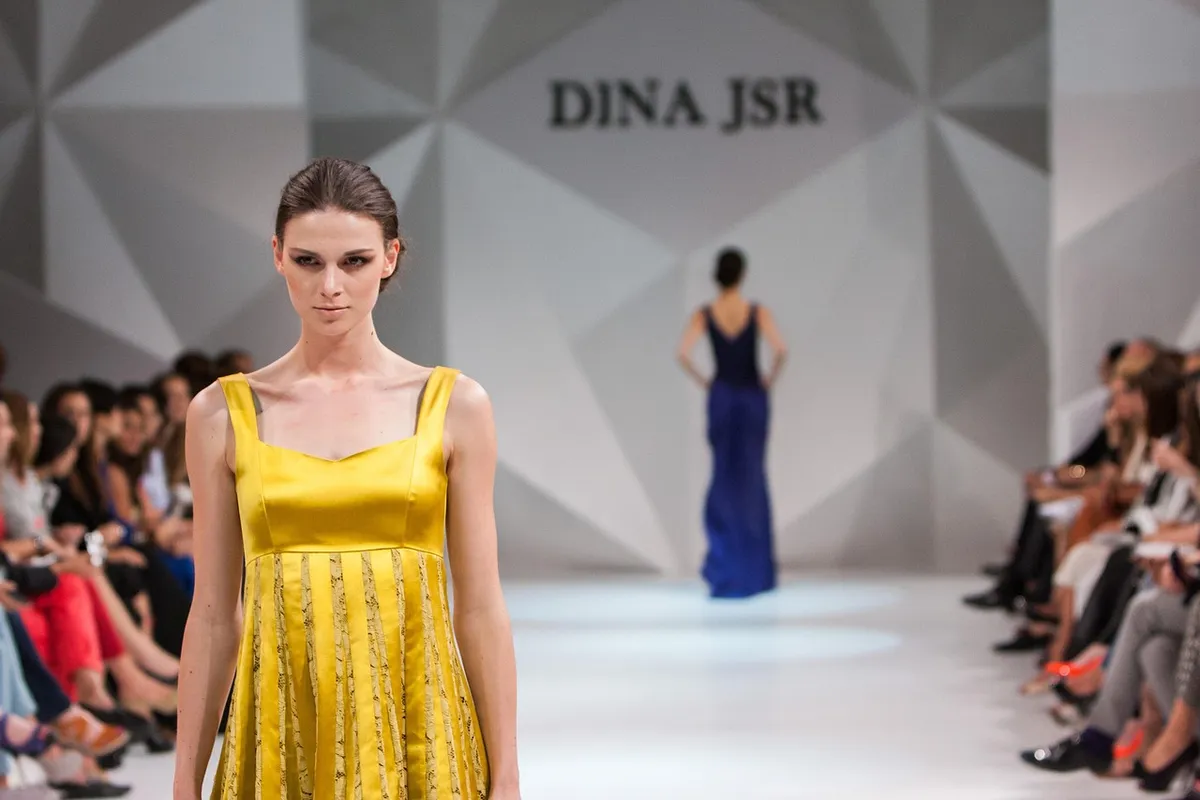
After completing these steps, designers could begin to build a reputation that transcended their home country. This sequence of actions was common among those who successfully navigated the transition. It turned local talent into recognized names within the global fashion landscape.
Early Korean fashion history
The subject here is Early Korean fashion history.
The same subject is also called 1950s Korean fashion era.
The same subject is also called Pioneer Korean designers.
The same subject is also called Korean fashion origins.
The same subject is also called Vintage Korean fashion.
This part also covers Nora No and early fashion.
This part also covers 1960s fashion show history.
This part also covers Early designer achievements.
Nora No and early fashion
Related
- Fast fashion carbon footprint: 10% of global emissions
- How to choose sunglass frame styles for your face?
The Korean Fashion Association provided opportunities for designers to gain international visibility, such as inviting a brand to present a collection at Hong Kong Fashion Week.





Comments 0