2026 Fashion: Architectural Silhouettes Define Luxury Shift
"Luxury is no longer just about the label on the collar; it is about the architectural intent of the seam."
The recent runway cycles have signaled a seismic shift in how we perceive structure and softness. As we move through the 2026 fashion landscape, the transition from fluid, unstructured drapery to sharp, architectural precision has become the defining movement of the season.
Key Takeaways: * A decisive shift toward structured, architectural silhouettes that prioritize sharp shoulder lines and tapered waists. * The resurgence of heavy-gauge natural fibers, specifically brushed wools and structured silks, as the primary medium for form.
* A move toward "functional opulence," where utility-driven hardware is elevated to jewelry-level craftsmanship. * A color palette dominated by deep earth tones—ochre, espresso, and slate—interrupted by flashes of metallic chrome.
What Narrative Does This Season's Collection Tell?
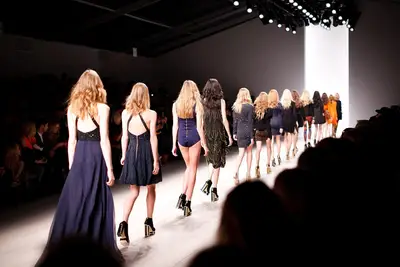
Walking through the Grand Palais in Paris during the recent spring presentations, the air felt heavy with a sense of renewed permanence. In years past, the runway often felt ephemeral, a fleeting glimpse of movement that vanished once the lights dimmed.
This season, however, the garments felt as though they were carved rather than sewn.
The overarching theme across the major houses has become a form of Neo-Structuralism. We are seeing a departure from the relaxed, oversized aesthetics that dominated the early 2020s. In their place, designers are presenting a vision of the individual that is armored yet elegant.
The silhouette has moved from the "baggy" to the "sculpted," where volume is no longer about excess fabric, but about the strategic manipulation of space around the body. In 2025, we saw the peak of the oversized movement; in 2026, we see the response to it.
This shift evokes a feeling of quiet defiance. In an unpredictable world, the clothes suggest a desire for stability and definition. The transition from the soft, gender-fluid shapes of previous years to these more defined, sharp-edged silhouettes marks a return to the importance of the human frame.
It is a move toward clothes that provide a sense of presence.
The most significant trend to move from the runway to the streets is the revival of extreme tailoring. We are no longer seeing mere suits; we certainly see garments that function as wearable architecture.
This is not just about professional attire, but about how structured pieces can be layered to create a sophisticated, modern identity.
Which Elements Define This Season's Materiality?
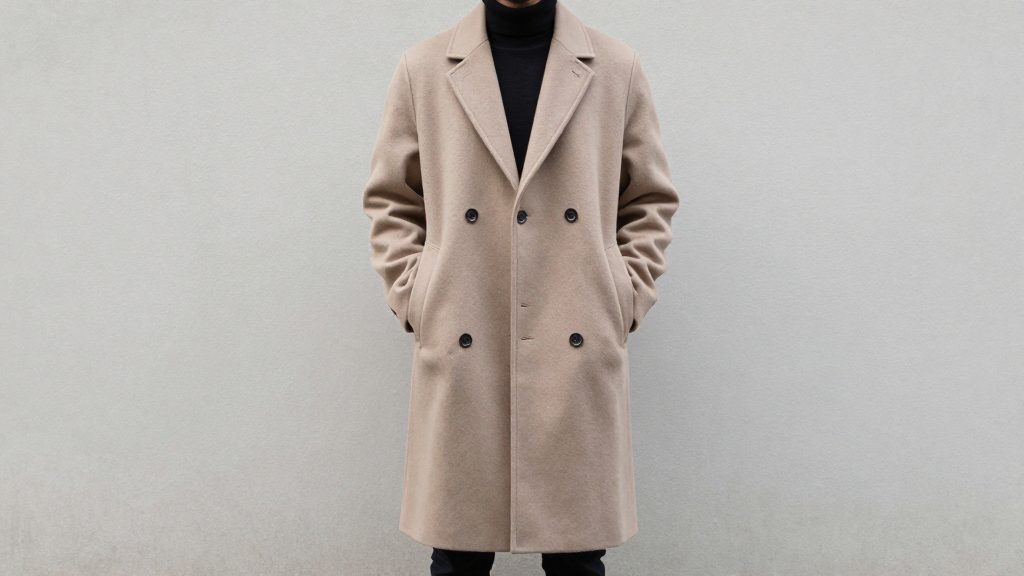
Standing in a showroom in Milan, running a hand over a heavy, brushed wool coat that costs $3,500, the difference in tactile weight is unmistakable. You can feel the intention behind the fabric before you even look at the cut.
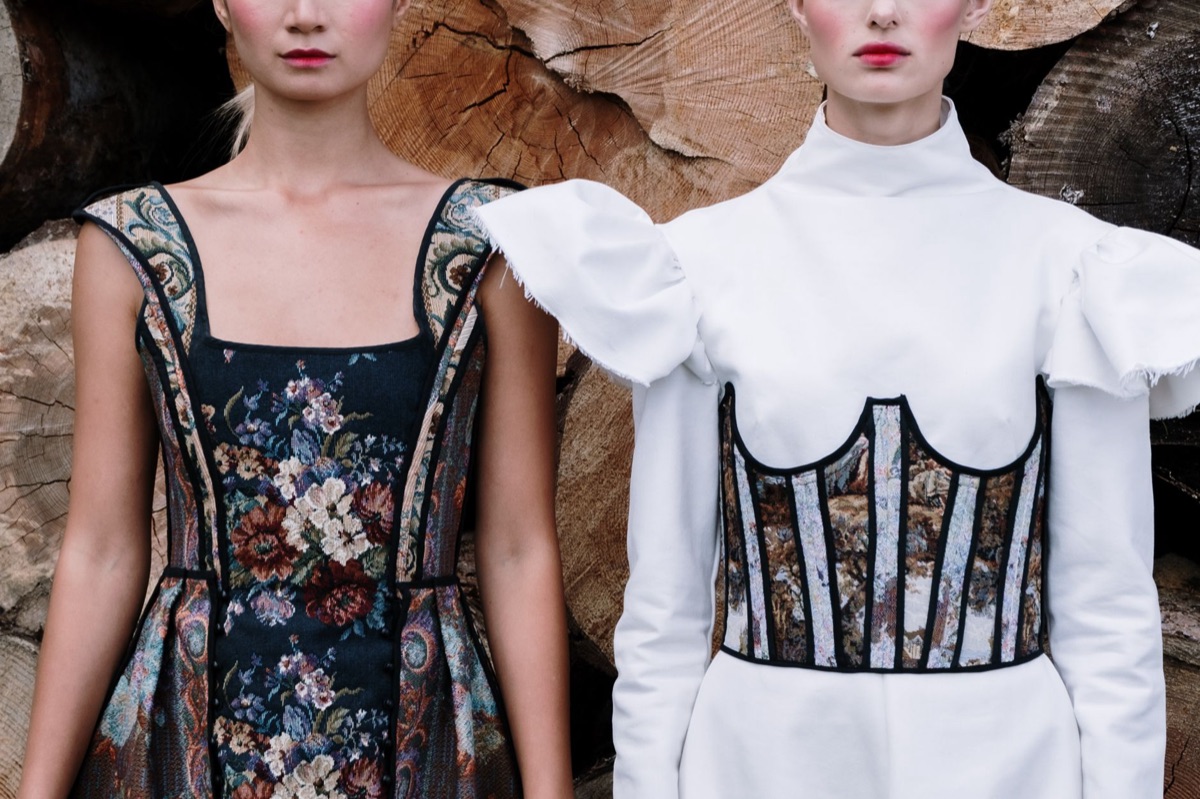
The primary tension in this fabrications lies between the raw and the refined. We see a heavy reliance on high-density natural fibers—think thick, 500gsm boiled wools and heavy-weight silks that hold their own shape.
These fabrics are chosen because they allow the designer to create volume that does not collapse. The interplay between the matte texture of brushed wool and the liquid-like sheen of structured silk creates a visual depth that defines the collection's mood.
Craftsmanship has moved toward the microscopic. We are seeing an increase in density in embroidery and advanced dyeing processes that create "living colors"—hues that appear to shift depending on how light hits the fabric's grain.
In certain collections, the use of technical bonding to fuse different fabric weights has allowed for seamless, sculptural shapes that were previously impossible with traditional stitching alone.
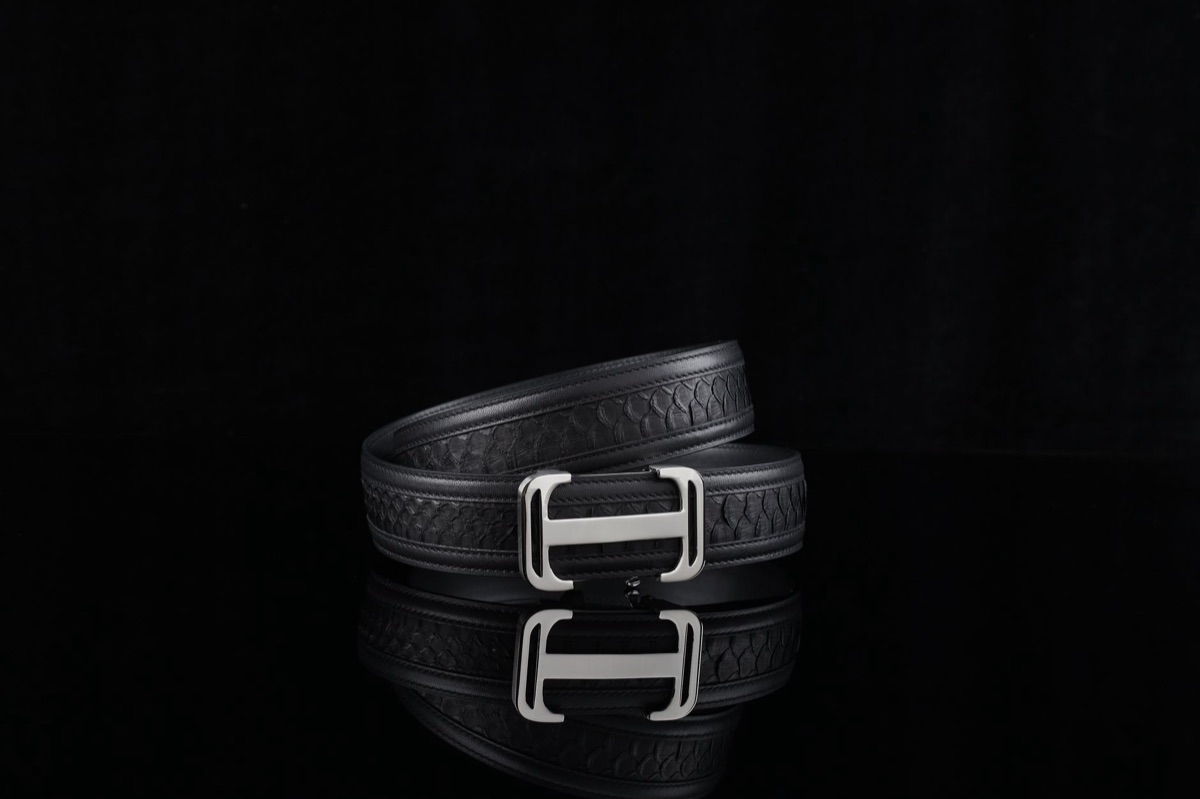
Hardware has also taken center stage. In the past, zippers and buckles were often secondary to the fabric. This season, hardware is the focal point. We see matte-finished hardware that looks almost organic, as if it were forged rather than manufactured.
In contrast, high-shine chrome hardware is used to provide sharp, geometric accents on minimalist pieces.
The color story is grounded in a sophisticated, moody palette. Deep espresso, charcoal, and burnt ochre provide the foundation. These are not merely background colors; they are the structural elements of the look.
When accented with metallic silver or a sharp cobalt, the palette feels both timeless and aggressively modern.
How Has Form Followed Function This Season?
In a minimalist studio in New York, observing a model move in a structured blazer with 4-inch shoulder pads, the balance between movement and rigidity becomes clear. You realize that the clothes are designed to move with the body, but only within certain parameters.
The silhouette shift is characterized by a balance of proportions. We see an increase in structured shoulders that taper sharply into narrow waists or wide-leg trousers. This creates an hourglass or an inverted triangle that feels more architectural than organic.
The functional implication is a return to "power dressing," but with a contemporary, less restrictive approach to comfort.
There is a fascinating tension between deconstruction and reconstruction. Some pieces appear to be fragments of garments—asymmetric hems or partially structured jackets—while others are meticulously reconstructed to look like single, seamless units.
The ratio of asymmetry is often calculated to provide balance; a heavy, structured sleeve on one side is often offset by a minimalist, streamlined silhouette on the other.
The return of specific design motifs, such as exaggerated cuffs and architectural collars, serves to frame the face and hands. These are not merely decorative; they serve to direct the eye and reinforce the structured identity of the wearer.
The manipulation of scale—pairing an oversized, structured coat with micro-scale accessories—is a common tactic to convey a sense of modern proportion.
| Element | Traditional Luxury | Neo-Structuralist Luxury (Current) |
|---|---|---|
| Primary Focus | Fabric drape and movement | Fabric structure and silhouette |
| Hardware | Subtle, functional accents | Bold, sculptural focal points |
| Fit | Relaxed or body-conscious | Architectural and proportion-based |
| Color Palette | Seasonal pastels/neutrals | Deep, saturated earth tones & metallics |
Where Do We See the Designer's Signature DNA?
Attending a private viewing in Paris, I noticed how two different houses approached the same concept of "the structured coat." One house used volume to create drama, while the other used restraint to create elegance.
When comparing major houses, the divergence in interpretation is clear. One house might take the trend of heavy wool and turn it into an oversized, voluminous cocoon that hides the body.
Another might take that same fabric and use it to create a razor-sharp, slim-cut jacket that emphasizes the silhouette. Both are using the same material, but their DNA dictates entirely different emotional outputs.
We also see the "unexpected nod" to archives. A brand might take a silhouette from its 1990s collection and update the fabric to a technical, modern weave. This grounds the collection in history while signaling that the brand is looking forward.
It is a way of maintaining brand identity while evolving with the times.
The modern pivot is seen in how classic cuts are adapted for contemporary body types. The "power suit" has been updated to be more ergonomic, ensuring that the sharp lines do not restrict movement. In the realm of accessories, bags and shoes have become extensions of this architectural philosophy.
Structured, geometric handbags and boots with sculptural heels serve as the perfect microcosms of the collection's core philosophy.
How to Adopt the Architectural Aesthetic
Building an architectural wardrobe requires a departure from the "mix-and-match" philosophy of the early 2020s. You cannot simply throw on a structured jacket with baggy jeans and expect the silhouette to hold.
To master this look, follow this progression:
- Identify your anchor piece: Start with one heavy-weight item, such as a structured wool coat or a bonded silk blazer.
- Balance the volume: If your top is voluminous and structured, pair it with a streamlined, tapered bottom to prevent the silhouette from collapsing.
- Introduce hardware contrast: Use metallic accessories (belts, jewelry, or hardware on bags) to provide the sharp geometric breaks that define the season.
- Layer by weight: Place heavier fabrics on the outside to maintain the "shell" of the silhouette, using lighter silks as base layers to prevent bulk.
The movement toward structured, architectural pieces offers a blueprint for how luxury can remain relevant. As the industry continues to evolve, the ability to blend historical identity with radical new forms will separate the leaders from the followers.
Frequently Asked Questions
Is the shift toward structured clothing harder to wear daily? While the silhouettes are more defined, the use of ergonomic tailoring and technical fabrics ensures that the clothes remain comfortable.
The key is balance—pairing one structured piece with more fluid elements to maintain ease of movement.
How do I transition these heavy fabrics between seasons? The current trend of layering is perfect for this. You can layer structured wools over lighter silks or vice versa. The weight of the fabric is designed to be layered to create the specific architectural shapes seen on the runway.
Are these trends purely aesthetic or do they have functional value? They are both. The move toward structured fabrics often involves more durable, high-quality materials that hold their shape longer, providing a different kind of functional longevity compared to lighter, more delicate fabrics.
What should I look for when buying "architectural" pieces? Look for fabric density and seam integrity. A truly architectural piece will have reinforced seams that can support the weight of the fabric without sagging.
Check the hardware to ensure it is substantial enough to act as a focal point rather than an afterthought.

Comments 0