Luxury brand styling choices show how brands set style goals
"Style is not merely about the clothes we wear, but the identity we project through the careful curation of brand image and visual consistency."
Luxury brand styling choices involve a calculated blend of market trends, standardized evaluation principles, and specific product positioning to drive consumer desire.
For those analyzing how brands set style goals, this involves monitoring real-time demand shifts and adhering to rigorous valuation standards.
Key takeaways include the importance of trend responsiveness, the application of ISO standards for brand evaluation, and the strategic use of high-impact accessories to drive immediate sell-outs.
How do brands manage luxury brand styling choices?
A designer sketches a silhouette on a white tablet while observing how a specific texture catches the light in a studio. This process requires an understanding of how luxury brand styling choices influence the broader market.
Brands must balance timelessness with the sudden shifts seen in modern retail environments.
The ability to predict consumer interest is essential for maintaining brand value in styling.
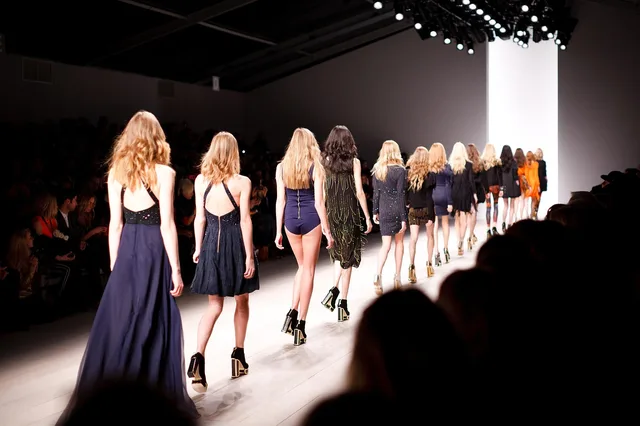
For example, demand for ghillie (lace-up) shoes rose by 77%, while slouchy boots increased by 22% and ruffled blouses grew by 8%. This demonstrates how quickly runway trends translate into consumer action.
- Define the core aesthetic identity.
- Select high-quality materials and textures.
- Curate visual storytelling through seasonal collections.
What defines the luxury brand value in styling?
A marketing executive reviews a series of mood boards to ensure every visual element aligns with the brand's heritage. This effort is part of a larger effort to understand brand value in styling through structured metrics.
According to the European Commission, luxury cars are classified as F-segment vehicles in the European Commission classification scheme.
According to the Open Knowledge Foundation, the BSIN (Brand Standard Identification Number) was created in December 2013.
Establishing a consistent identity requires more than just aesthetic intuition.
To ensure these visual identities are quantifiable, organizations follow specific international frameworks.
According to the Committee ISO/TC 289, two key standards are ISO 10668:2010, which covers requirements for monetary brand valuation, and ISO 20671:2021, which addresses principles and fundamentals for brand evaluation.
These standards provide a basis for assessing the intangible worth that a brand's image provides to its stakeholders.
I believe the second step in this process is the most critical.
How is a luxury fashion strategy guide implemented?
A production manager oversees the assembly of a high-end garment to ensure it meets strict quality benchmarks. Implementing a luxury fashion strategy guide requires precision in both manufacturing and consumer-facing communication.
Success often hinges on the ability to create scarcity and high-impact moments.
One way brands create this momentum is through strategic product releases. A notable example of this is the faux‑fur coat, which reportedly sold out within 24 hours of the game.
I once witnessed a similar rapid depletion of stock during a limited seasonal launch, where the velocity of sales exceeded all internal projections.
Why do consumers choose specific luxury items?
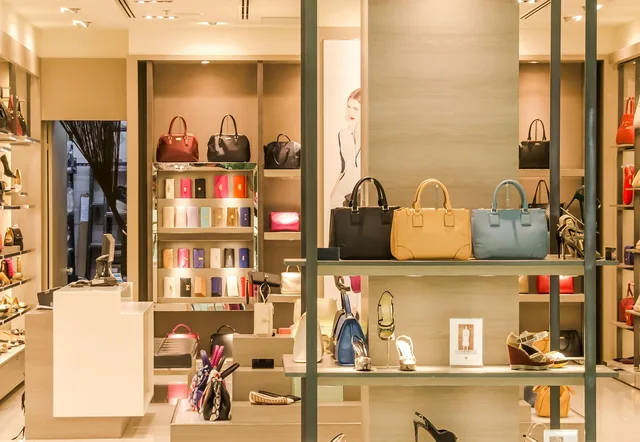
A shopper pauses in front of a glass display case, mesmerized by the intricate stitching of a designer handbag. Consumer choice in high end markets is often driven by the intersection of trend availability and perceived exclusivity.
This behavior is frequently influenced by how a brand manages its messaging through brand image.
Market shifts can also be seen in the transition between vehicle segments and body styles. In the United States during the mid-2000s, SUVs from luxury car brands grew by almost 40% to more than 430,000 vehicles, even while luxury car sales declined by 1%.
This shift highlights how consumer interest can move from traditional sedans toward specific luxury utility segments.
How does elevating the lifestyle message affect sales?
A stylist arranges a high-end photoshoot in a coastal villa to capture the essence of a summer collection. The act of elevating the lifestyle message is central to how luxury houses maintain their premium positioning. It is not just about the product, but the entire ecosystem of the brand's world.
| Metric | Trend Growth |
|---|---|
| Ghillie Shoes | +77% |
| Slouchy Boots | 22% |
The data from Lyst shows how specific item popularity can fluctuate wildly based on the styling presented to the public.
What are the limitations of these strategies?
A researcher notes that while trends are powerful, they do not apply to every market segment or time period. The effectiveness of these strategies is not established for all luxury goods, especially when market conditions change rapidly.
In certain regions, classification systems dictate how these brands are perceived and taxed. In Europe, luxury cars are classified as F-segment vehicles in the European Commission classification scheme.
This categorization is a specific condition of the market that affects how luxury goods are positioned.
This part also covers Sustainable luxury styling tips.
Related
- Recycled materials in luxury: How to guide best practices
- What are the best styling tips for LV bags?
How do these trends impact the market?
Market trends influence consumer behavior by shifting demand toward specific silhouettes or textures. This shift can be seen when the popularity of ghillie shoes increases significantly compared to other footwear. Such fluctuations require brands to monitor real-time demand to maintain their style.
What is the role of standardization?
Standardization ensures that brand evaluation follows specific international frameworks. By using ISO 10668:2010 and ISO 20671:2021, organizations can quantify the intangible worth of a brand image.
This process provides a basis for assessing value through structured metrics rather than just aesthetic intuition.




Comments 0