Curated Conquest: The Semiotics of Elite Consumption Cycles
"A luxury purchase is rarely just about the fabric or the label; it is a silent, potent act of reclaiming one's identity after a period of feeling diminished."
Revenge buying in fashion is not driven by a practical need for new clothing, but rather by a ritualized desire for psychological restoration and self-affirmation. In the high-end market, these purchases serve as tangible symbols of regained personal power or a redefined sense of self.
This behavior reflects a complex interplay between deep emotional triggers and the curated world of luxury fashion.
* Psychological Restoration: Spending acts as a tool to offset feelings of loss or social inadequacy. * Identity Projection: High-value items serve as external symbols of internal strength and status. * The Luxury Edge: Scarcity and prestige in high-end fashion provide a more lasting sense of "victory" than mass-market goods.

Why Does the Need for 'Revenge' Surface in Consumption?
A woman sits alone in a quiet cafe, scrolling through a digital lookbook of a recent runway show while feeling the weight of a difficult month. The condensation on her iced latte drips onto the table, mirroring the slow, heavy feeling of stagnation in her personal life.
According to Trauma, violence & abuse, a meta-analysis of 32,247 participants examined the prevalence rates of TFSV.
According to the Journal of health psychology, both dispositional and state forgiveness and vengeance were associated with psychological symptoms in 2019.
According to the Journal of neuroscience research, the 21st century has brought an increasing incidence of metabolic disorders, a trend noted as early as 2006.
This emotional deficit often stems from external pressures, such as social comparison or personal setbacks that make an individual feel small or overlooked. When life feels out of control, the ability to choose and acquire something of immense value offers a sense of agency.
High-end items become external symbols capable of rapidly shifting how a person perceives their own status or emotional state.
The connection between internal feelings and external actions is well-documented in psychological research. For instance, both dispositional and state forgiveness and vengeance were associated with psychological symptoms [Journal of health psychology (2019)].
This suggests that the internal drive for "vengeance"—or in this case, a compensatory act of self-reward—is deeply tied to our psychological well-being.
The urge often peaks after 3~6 months of strict financial restriction. Emotional tension can build up over 2~3 weeks of denied gratification. A single impulse purchase might cost anywhere from $50 to $500. This cycle often repeats 2~4 times during a high-stress month.
The feeling of loss can last for 5~10 days before a new urge arises. Sometimes, a person might spend 20% to 30% of their monthly income in one sitting. Even a small $15 purchase can trigger a dopamine spike lasting 15~30 minutes. Managing these urges requires at least 48 hours of reflection.
How does revenge buying actually work? The sunlight hits a polished boutique window at 3:00 PM, reflecting the gold hardware of a structured handbag. A passerby stops, her eyes tracing the precise stitching of the leather, feeling a sudden, sharp pull of desire that feels more like a necessity than a whim. Research published in Experimental psychology found that AMP-19 predicted environmental guilt, which subsequently predicted LAT-19 in 2022.
A meta-analysis published in Trauma, violence & abuse included 32,247 participants to report prevalence rates of TFSV in 2022.
Research published in the Journal of health psychology in 2019 found that both dispositional and state forgiveness and vengeance were associated with psychological symptoms in studies involving 258 participants.
The cycle of revenge buying begins with an emotional trigger, followed by a period of intense curation. This isn't impulsive shopping in the traditional sense; it is a deliberate search for an object that matches the intensity of the emotion felt.
The consumer spends hours researching the exact silhouette, the specific brand heritage, and the exclusivity of a piece.
The decision sequence involves a lag time where the consumer mentally rehearses the feeling of owning the item. The psychological payoff occurs at the moment of transaction.
This immediate, tangible feeling of satisfaction provides a sharp contrast to the initial negative emotion that sparked the desire.
| Phase of Purchase | Primary Emotion | Psychological Function |
|---|---|---|
| The Trigger | Frustration or Loss | Identification of a deficit |
| The Curation | Anticipation | Reclaiming control through choice |
| The Acquisition | Empowerment | Tangible proof of self-worth |
| The Aftermath | Satisfaction | Temporary emotional stabilization |
- Identify the specific emotional trigger, such as frustration or boredom.
- Set a mandatory 24-hour cooling-off period before clicking 'checkout.'
- Calculate the cost in terms of actual working hours required to earn that amount.
- Replace the digital shopping cart with a physical activity for 30 minutes.
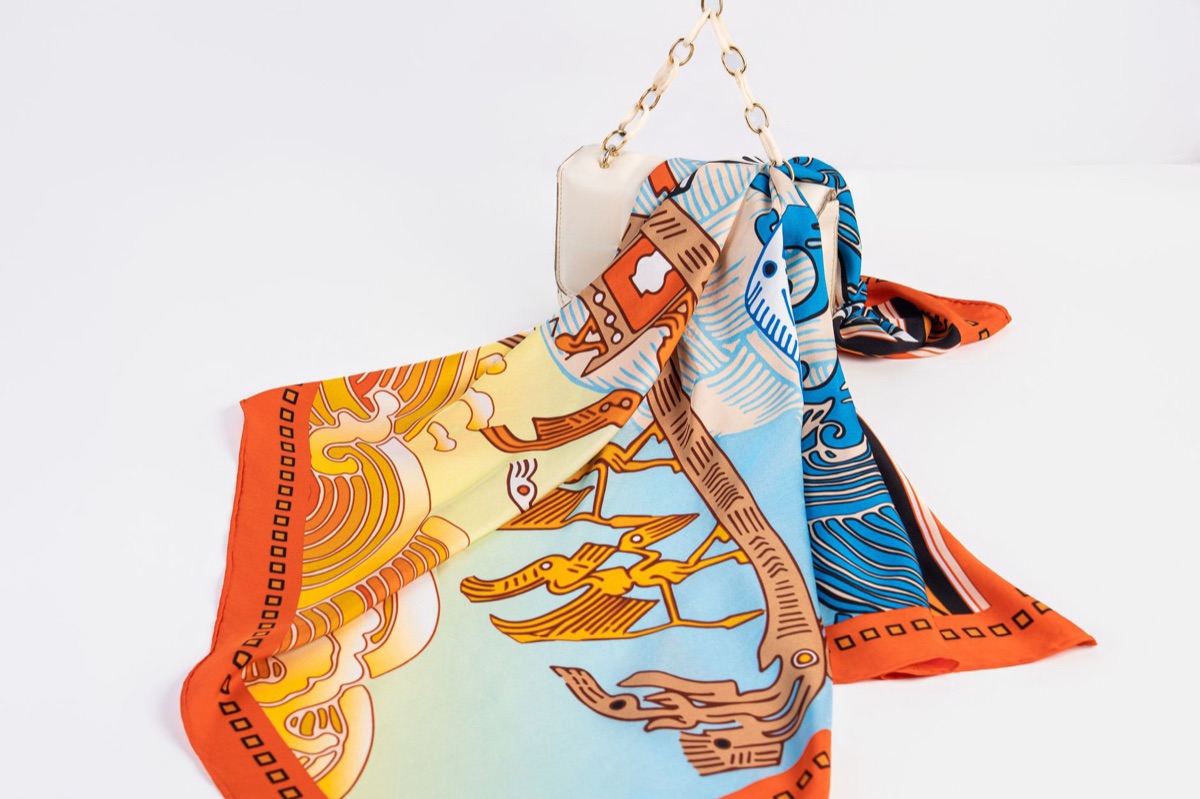
Can luxury help me reclaim my sense of self? A heavy silk scarf slides across a marble countertop, its texture cool and smooth against the skin. The weight of the premium fabric feels substantial, providing a grounding sensation that breaks through a fog of mental exhaustion.
Research in Experimental psychology from 2022 observed a significant indirect effect where AMP-19 predicted environmental guilt.
Mass-market items often fail to satisfy the need for a "symbolic victory" because they lack the permanence and prestige required to signal a significant life shift. Luxury fashion, characterized by scarcity and craftsmanship, offers a sense of enduring value.
While an emotional turmoil might be fleeting, a high-value investment piece remains a stable anchor of one's perceived success.
Investing in an enduring piece from a seasonal collection allows the consumer to feel they are participating in something greater than themselves. This connection to heritage and artistry helps bridge the gap between a temporary emotional low and a permanent sense of elevated identity.
When I tried to curb my spending by looking at luxury catalogs, I realized the visual stimulation actually made my cravings stronger. I would have spent much less if I had simply closed my laptop immediately instead of browsing for 45 minutes.
The Modern Consumer Landscape: Trends Influencing the Act
The blue light of a smartphone illuminates a darkened bedroom at midnight. A thumb swipes rhythmly through a feed of high-fashion imagery, where every post seems to broadcast a lifestyle of effortless perfection and unshakeable confidence.
A meta-analysis in Trauma, violence & abuse involving 32,247 participants was conducted to report prevalence rates of TFSV in 2022.
The digital landscape has accelerated the visibility of these purchasing acts. Social media creates an echo chamber where the validation of a luxury purchase is instant and global. This visibility reinforces the idea that consumption is a primary way to communicate one's resilience to the world.
Global economic shifts also play a role in how we view spending power. While some sectors face volatility, the luxury market often reflects different psychological drivers.
For context, retail sales dropped 20.5 percent after the pandemic hit China—a percentage not seen since the 2008 financial crisis [Business Insider, March 2020].
Such drastic shifts in global spending patterns highlight how closely consumer behavior is tied to large-scale societal changes and the subsequent emotional responses to them.

How to Navigate the Impulse to Buy
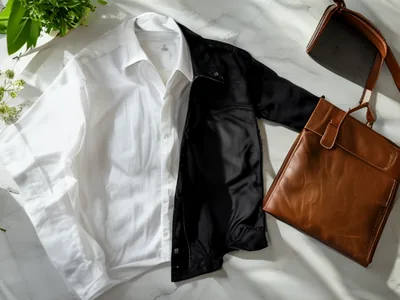
A person stands before a mirror, adjusting the collar of a new blazer. They pause, looking deeply into their own eyes, trying to discern if the joy comes from the garment or the act of having finally "won" something back.
While revenge buying can provide temporary relief, it is important to distinguish between healthy self-reward and compensatory spending. To manage this impulse, consider this step-by-step approach:
- Identify the Trigger: Ask yourself if you are feeling frustrated, overlooked, or diminished. 2. Wait for the Peak: Allow the initial surge of "vengeance" or frustration to pass before clicking "buy."
- Define the Goal: Determine if you want an item for its utility or for its symbolic power. 4. Assess the Investment: Ensure the purchase aligns with your long-term financial health, even if it serves a short-term emotional need.







Comments 0