What are the best trade shows for a future fashion look?
"The future of design is not just found in a sketchpad, but in the massive archives of visual history and the high-stakes environments of global trade shows."
Designers in 2026 are shifting toward data-driven inspiration and real-time sourcing to navigate an increasingly complex market. This guide explores how industry professionals utilize massive visual archives and strategic trade shows to shape the next season of style.
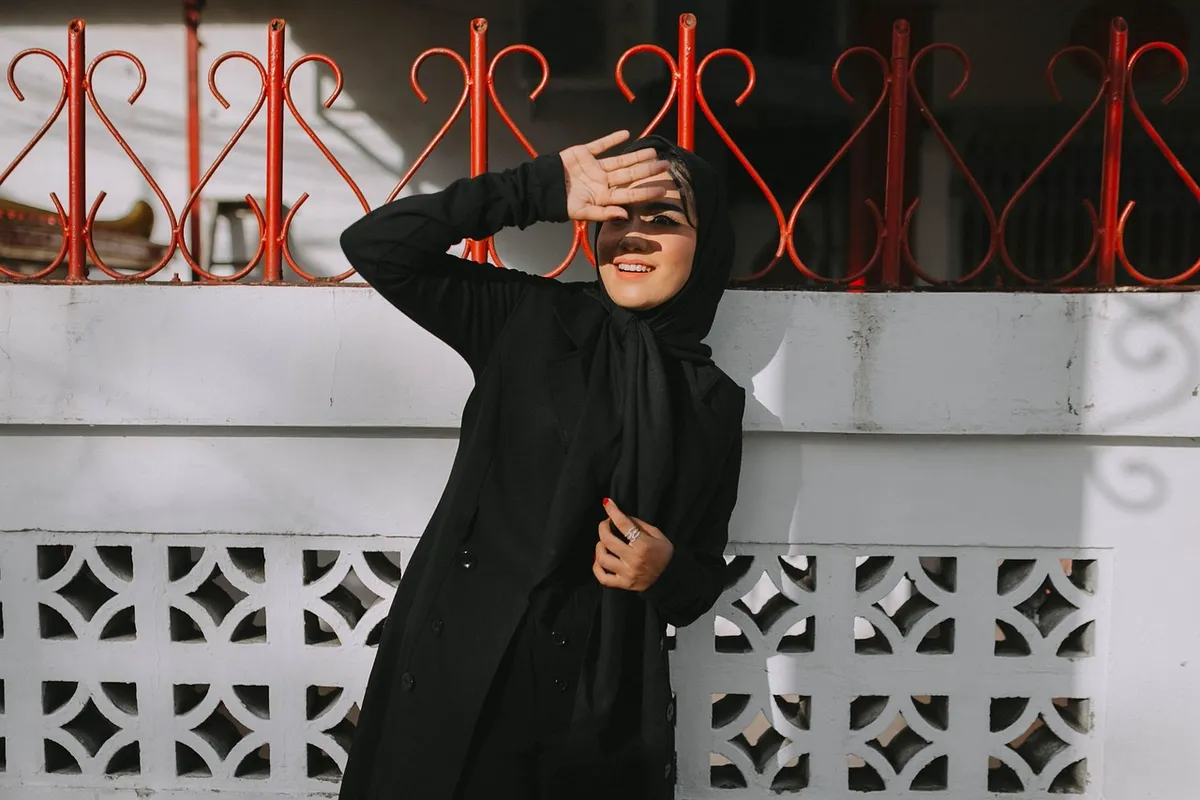
We will look at the tools for trend forecasting, the importance of sourcing-focused events, and the practicalities of professional networking.
How can designers find inspiration for 2026 fashion design trends?
At midnight, a designer leans over a glowing screen, eyes scanning through a digital trade archive of vintage silhouettes.
An artist sits at a desk, scrolling through a digital library of thousands of historical looks to find a specific silhouette. Designers often look toward massive digital databases to ground their creative visions in historical context while looking forward.
According to Vogue, one can explore the Explore the Runway Image Archive, which provides access to over 1.2 million runway images from past and present fashion shows.
Utilizing such a vast collection allows for a deep dive into the evolution of style, helping to identify recurring motifs that can inform a brand design strategy 2026.
By studying these documented shifts, creators can build a cohesive narrative that bridges the gap between heritage and modern innovation.
- Analyze emerging street style and digital aesthetics.
- Study historical archives for timeless silhouettes.
- Observe cross-industry developments in art and technology.
Where should professionals go for next season design sourcing?
A professional walks through a hall filled with rolls of fabric, touching textures that represent the future of apparel. Sourcing remains a cornerstone of design, requiring physical interaction with materials to ensure quality and aesthetic alignment.
For those looking to secure materials, Texworld NYC serves as a vital hub. Organized by Messe Frankfurt, Texworld NYC is the East Coast's largest textile and apparel sourcing trade show. It takes place from July 29-31, 2026, at the Javits Center.
Attending such an event is essential for anyone looking to understand how fashion evolves now through direct contact with suppliers.
In this sequence, the second step is the most extensive.
What are the best trade shows for a future fashion look?
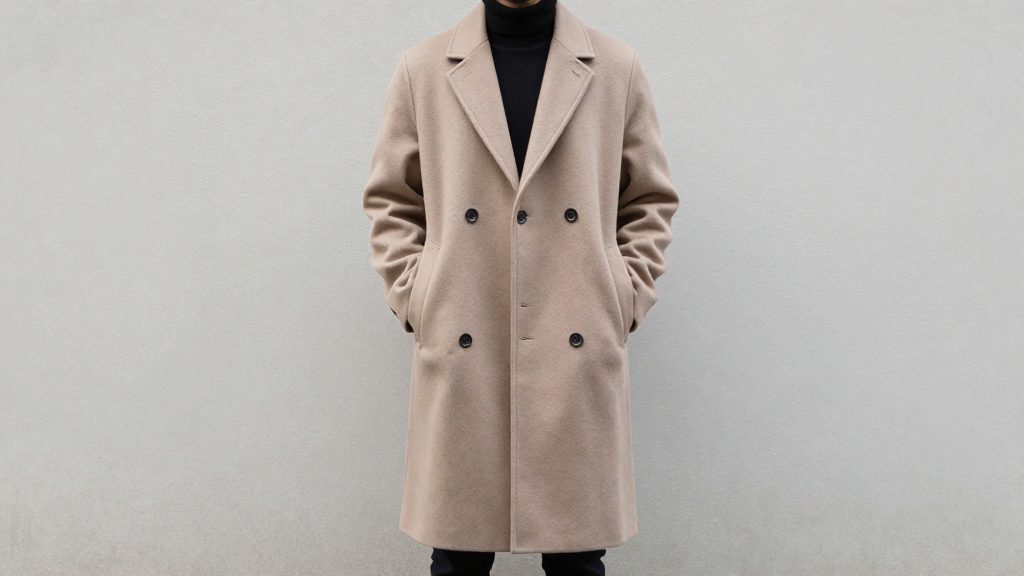
A buyer examines a sharp, modern suit at a specialized convention center in the desert. Specialized shows allow brands to target specific demographics and niche markets with precision.

If the focus is on menswear, PROJECT Las Vegas offers a targeted environment. Organized by Informa Markets, PROJECT Las Vegas is a men's contemporary fashion trade show held from August 10-12, 2026, at the Las Vegas Convention Center.
This specific focus helps designers refine a future fashion look that meets the demands of the contemporary male consumer.
How do professional events facilitate deal-making?
Two executives shake hands near a display booth, finalizing a contract amidst the bustle of a crowded exhibition hall. Beyond mere inspiration, trade shows are high-stakes environments designed for business growth.
The value of these gatherings lies in the concentration of industry power. For instance, some venues host environments where 79% of buying power is present on the show floor, alongside C-suite decision makers. This level of influence makes these gatherings a strong venue for deal-making.
Navigating these spaces requires a strategic approach to both creative presentation and business negotiation to ensure longevity in the industry.
How do we manage the logistics of attending these events?
A traveler checks their schedule on a smartphone while walking through a busy terminal. Planning is the first step toward successful engagement with the global fashion community.
When planning your attendance, follow these steps to maximize your time:
- Verify eligibility for free entry, as some shows offer free access for qualified industry professionals or registered trade visitors. 2. Cross-reference dates and locations, such as the Javits Center or the Las Vegas Convention Center, to organize travel logistics. 3. Research the specific focus of each show, such as textile sourcing versus contemporary menswear, to align with your brand's needs.
I personally find that checking the specific requirements for "qualified industry professionals" is the most important step to ensure entry. A final check of the event's social media channels can provide real-time updates on schedules and speaker lineups.
What are the limitations of using these resources?
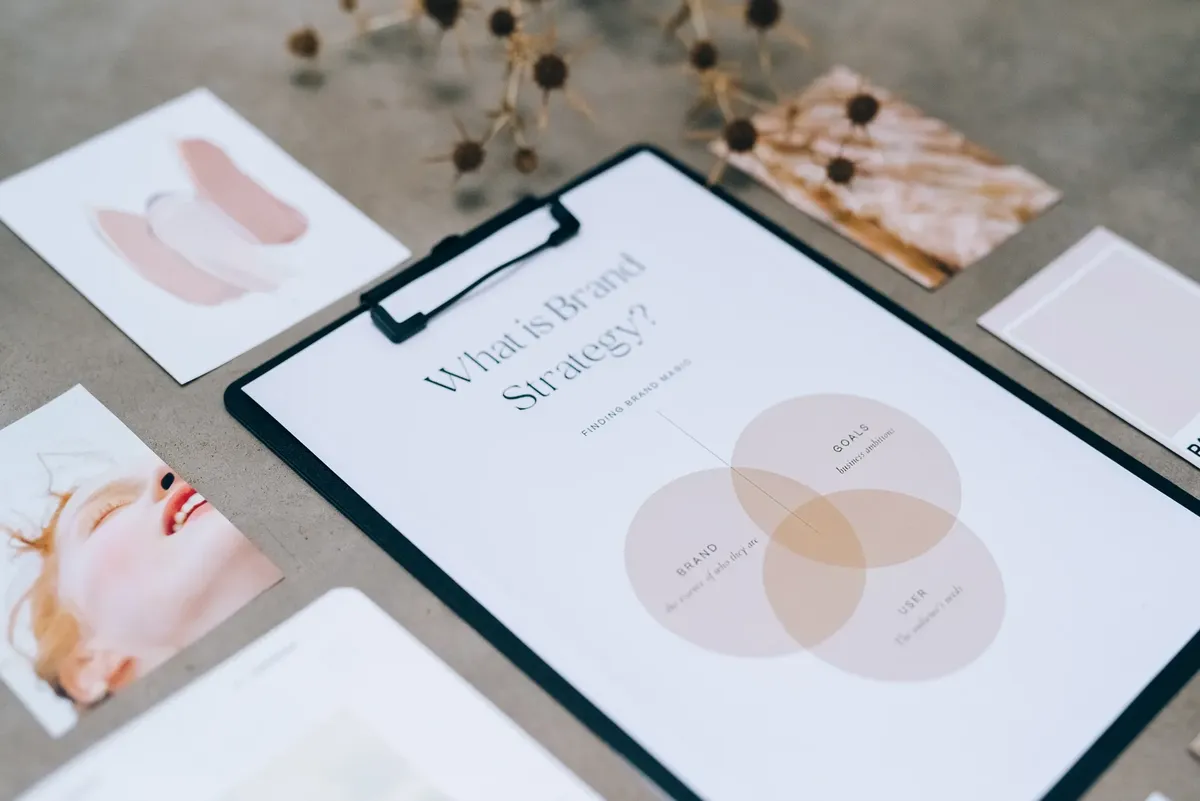
A designer looks at a screen, realizing that a digital image cannot replicate the feel of a fabric. While digital archives and physical shows are powerful, they have inherent boundaries.
A limitation of using a digital archive is that it provides visual data only, which cannot replicate the tactile sensation of fabric weight or texture. While the Runway Image Archive offers a massive breadth of visual history, it does not account for the physical qualities of the garments.
The subject here is 2026 fashion design trends.
The same subject is also called emerging fashion trends.
This part also covers designing for next year.
This part also covers trend forecasting guide.
how fashion evolves now
Related
- How does high-end fashion styling prioritize quality?
- Fabric expertise fashion role: Luxury collection guide
How does the combination of these resources enhance the design process?
The combination of these resources moves the design process beyond mere aesthetic replication into informed innovation. By grounding new ideas in the vastness of the digital archive, designers gain a deep understanding of enduring visual language.
This historical context provides a powerful foundation upon which contemporary trends can be built, ensuring that the modern design remains resonant.
Conversely, the physical presence at a trade show forces a confrontation with the present material reality. The tactile experience at Texworld NYC or the focused aesthetic of PROJECT Las Vegas grounds the theoretical sketches in tangible reality.
This direct engagement with current materials dictates the feasibility and execution of the future design.
Therefore, the modern design cycle becomes a dialogue: the archive offers the 'why' of enduring style, while the trade show provides the 'how' of immediate execution. This dual approach ensures that the resulting design is both historically aware and commercially viable for the current market.
This synthesis is crucial for achieving meaningful design breakthroughs in 2026 and beyond.





Comments 0