From functional gym gear to high-stakes investment assets, s
From functional gym gear to high-stakes investment assets, sneakers have redefined the boundaries of modern fashion and finance.
Sneakers have evolved from basic athletic footwear into powerful tools for self-expression and legitimate financial instruments often referred to as "sneaker-tech." Whether you are looking for high-performance runners, heritage lifestyle classics, or high-end luxury pieces, understanding their market dynamics is essential in today's culture.
* Functional Categories: Divided into performance (running, basketball) and lifestyle (casual/streetwear), with a growing trend toward hybrid models. * Cultural Roots: The shift from 1980s basketball dominance to 1990s hip-hop influence created the foundation for today's global craze. * Investment Potential: Scarcity-driven resale markets have turned limited editions into collectible assets with significant appreciation potential. * Maintenance is Key: Proper care tailored to specific materials like leather, suede, or mesh is vital to preserving both aesthetics and resale value.
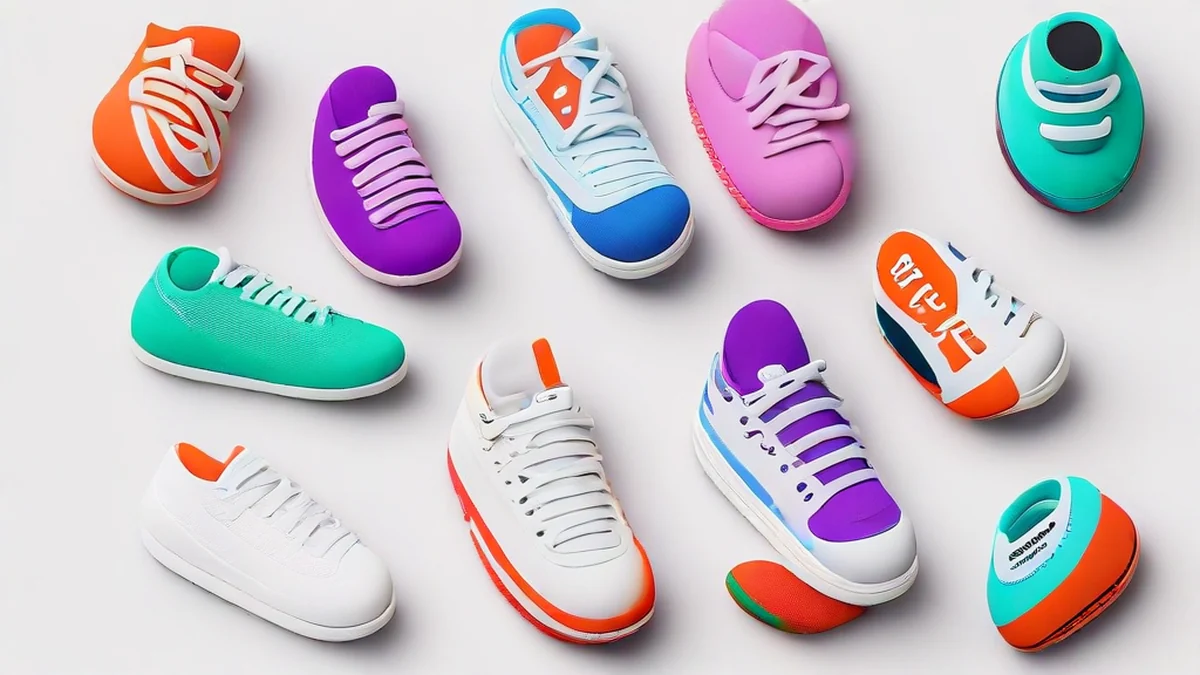
How are sneakers categorized? Understanding purpose and design
To truly understand the sneaker landscape, you first have to look past the brand name and examine the engineering. It is a mistake to group all "athletic shoes" into one bucket; the technical differences between them are vast.
The first major category is Performance Sneakers. These are precision tools engineered for specific athletic movements. Running shoes, for instance, rely heavily on midsole technology for shock absorption and flexibility to accommodate natural foot strikes. Basketball shoes require high-top silhouettes or advanced lateral support systems to prevent ankle injuries during sudden directional changes.
Next, we have Lifestyle Sneakers. These prioritize aesthetics, comfort, and styling over technical athletic specs. Think of the timeless Converse Chuck Taylor or the Adidas Superstar. Recently, we've seen a massive surge in "Terrace Shoes"—models that borrow sleek silhouettes from old-school football/soccer training gear and adapt them for daily street style.
Finally, there is the Luxury/High-End segment. Brands like Louis Vuitton or Gucci produce sneakers where the primary value lies in premium materials and brand prestige rather than athletic utility.
When I was browsing a local boutique last month, I took a moment to compare a technical mesh runner against a heavy suede lifestyle sneaker. The difference was tactile: the runner felt springy and responsive, almost like it wanted to bounce back, while the lifestyle shoe offered a dense, weighted stability that felt much more grounded for walking city streets.

The history of sneakers: From the court to the street
The evolution of the sneaker is inseparable from the history of pop culture. What started as protective gear for athletes transformed into a universal language for global youth.
Before the 1970s, sneakers were largely utilitarian. However, the 1980s changed everything with the arrival of Michael Jordan. When Nike partnered with him to launch the Air Jordan series, it proved that sports gear could foster intense fandom and become a cultural icon. This era marked the birth of the "sneakerhead."
The 1990s further cemented this status as hip-hop culture exploded. The oversized silhouettes of basketball shoes and bold colorways became essential components of streetwear. According to Statista's 2023 report, the global footwear market continues to see steady growth, with the resale segment for limited editions now reaching multi-billion dollar valuations. This confirms that sneakers have moved far beyond "consumables" into the realm of collectible assets.

What drives sneaker prices? The link between hype and value
Why does one pair of shoes retail for $120 while another fetches $2,000 on the secondary market? It boils down to two factors: Scarcity and Storytelling.
* Collaborations: When a brand teams up with an artist or another fashion house (like the highly anticipated Nike x Travis Scott drops), production is intentionally kept low. High demand meets restricted supply, sending prices skyrocketing. * Heritage: Models that tie back to historical moments—like an original 1985 colorway reissue—are viewed as "pieces of history" rather than just new products. * Market Data: Platforms like StockX provide real-time data on price fluctuations. Analysts often look at the immediate post-release price jump of a model to gauge its long-term cultural staying power.
| Feature | General Release (GR) | Limited Collaboration |
|---|---|---|
| Production Volume | Mass Produced | Extremely Limited |
| Primary Goal | Sales & Daily Wear | Brand Hype & Fandom |
| Price Volatility | Low (Stays near retail) | Very High (Resale spikes) |
| Access Method | Retail Stores/Websites | Raffles or Apps |
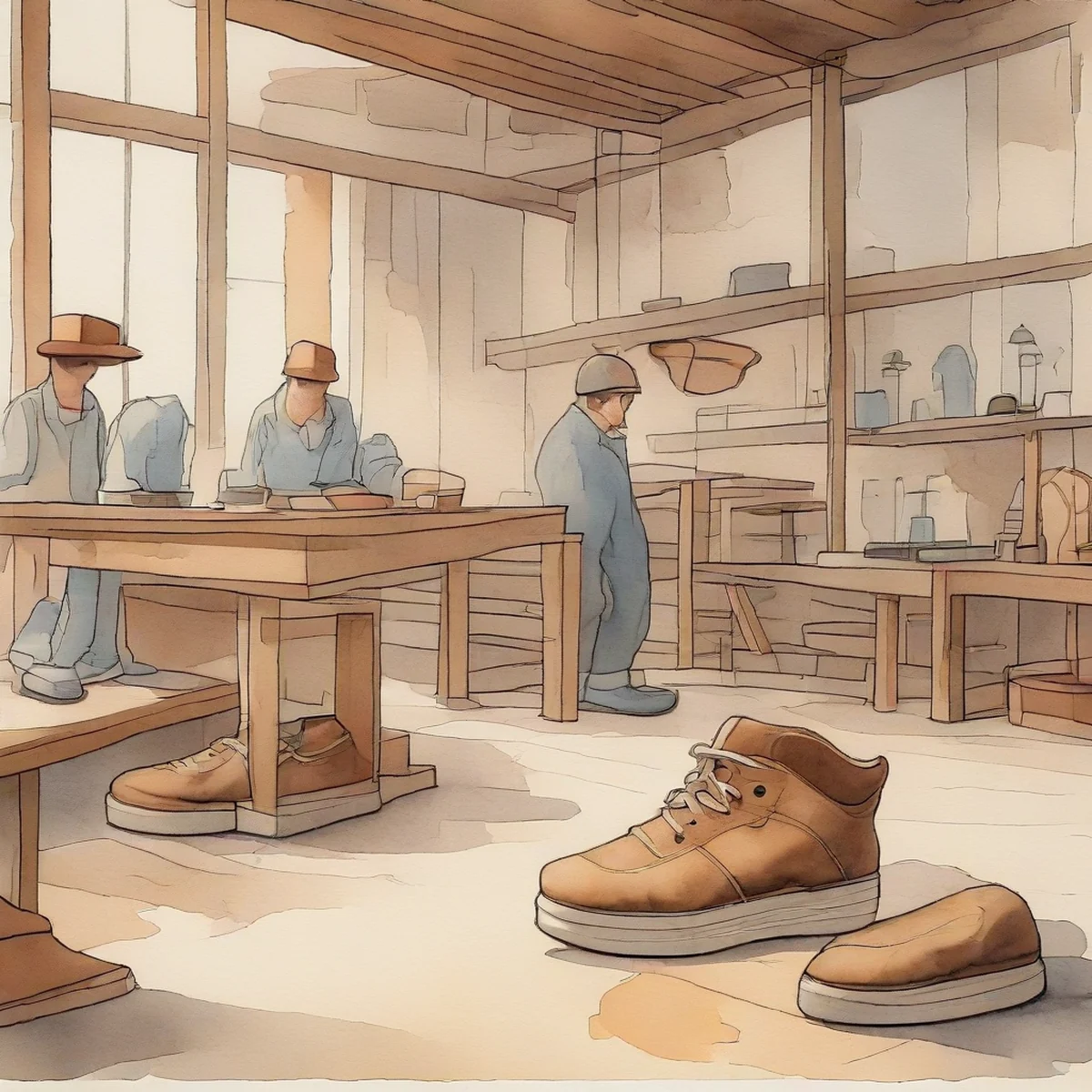
How to preserve your collection: Material-specific care
If you are treating your sneakers as an investment, how you clean them is just as important as how you buy them. One wrong move with a cleaning agent can tank the value of a rare pair.
1. Leather The most common material. If you get a smudge, use a dedicated leather cleaner and a soft cloth immediately. Avoid using baby wipes; the chemicals in them can strip the protective coating off high-quality leather over time.
2. Suede and Nubuck These are the "divas" of the sneaker world. They are extremely sensitive to moisture, so avoid wearing them on rainy days. Use a specialized suede brush to clean them along the grain, and keep a suede eraser handy for stubborn spots.
3. Mesh and Knit Common in performance runners, these are breathable but act like magnets for dirt. Instead of soaking them, use a soft brush to flick away loose dust, then gently dab with a cloth dipped in lukewarm water and mild detergent.
4. Pro Tip: Use Shoe Trees To prevent the "toe box" from collapsing or wrinkling excessively, insert cedar shoe trees when you aren't wearing them. They help maintain the shape and absorb excess moisture.




Comments 0