Style tips guide Expressing self through style success
"Style is a visual language that speaks before you do, bridging the gap between individual identity and social perception."
Styling is trending because it serves as a primary tool for expressing self through style while simultaneously building trust with fashion to establish social credibility. It allows individuals to communicate their personality and professional reliability through curated visual choices.
This guide explores how personal style trends now influence social confidence and how you can implement these strategies.
How does expressing self through style impact identity?
At dawn, I pull a heavy silk scarf around my neck in the dim bedroom, feeling the cool fabric as I refine my personal style.

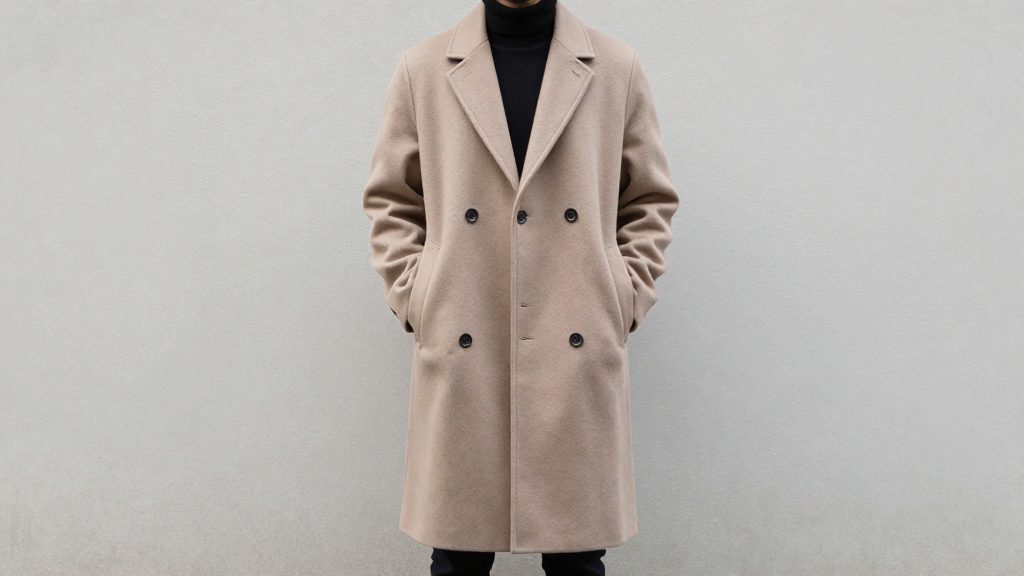
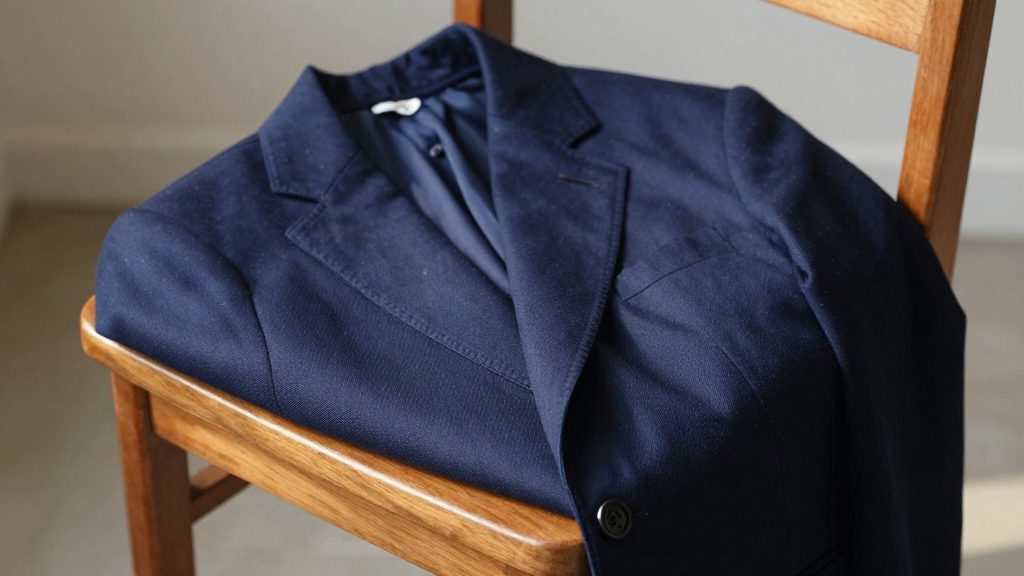
A person stands before a mirror, adjusting the lapel of a structured blazer to ensure a sharp silhouette. They select a specific accessory that reflects a personal interest, transforming a standard outfit into a unique statement.
According to High Society, the Regency period spanned from 1788 to 1830.
This act of choosing specific textures and cuts is the essence of expressing self through style.
Fashion serves as more than just covering the body; it is an intentional method of signaling one's values and temperament to the world. By selecting items that resonate with internal identity, individuals create a consistent outward persona.
This consistency helps others understand who a person is without a single word being spoken.
Personal style trends now revolve around the tension between classic elegance and bold individuality. People are moving away from mindless consumption toward more deliberate selections that tell a cohesive story.
When these choices are made with intention, the resulting look becomes a powerful extension of the self.
Clothing acts as a visual language that communicates internal values and personality traits to the outside world before a single word is spoken.
Why is building trust with fashion essential for social success?
A professional walks into a bright conference room, wearing a well-tailored suit that commands immediate respect. The clean lines and coordinated colors suggest an organized mind and a disciplined approach to life. This visual cues facilitate building trust with fashion in high-stakes environments.
The ability to project competence through clothing is a significant component of social interaction. When an individual's attire aligns with the expectations of their social or professional circle, it reduces friction in communication.

This alignment fosters a sense of reliability and preparedness in the eyes of peers.
Fashion for social confidence is not about following every passing fad, but about understanding the semiotics of dress. Using clothing to signal respect for an occasion or a group demonstrates social intelligence.
This subtle form of communication helps establish a foundation of credibility in various social strata.
When your appearance aligns with your professional or social intentions, it reduces cognitive friction and allows others to focus on your message rather than your presentation.
What are the best style strategies for success?
A designer lays out various fabrics on a wooden table, comparing the weight of silk against the structure of wool. They look for pieces that can transition from a morning meeting to an evening event seamlessly.
Mastering these style strategies for success requires an understanding of versatility and impact.
To develop a unique look, one must move beyond simple imitation and toward a personalized curation. This involves analyzing how different garments interact with one's physical presence and lifestyle requirements.
Successful styling is a balance of knowing the rules of traditional dress and knowing when to interpret them uniquely.
Effective styling often relies on the concept of "intentional imperfection," where one high-quality piece breaks the monotony of a standard outfit. This technique prevents a look from appearing too rigid or costume-like. It creates a sense of ease that is highly valued in modern social settings.
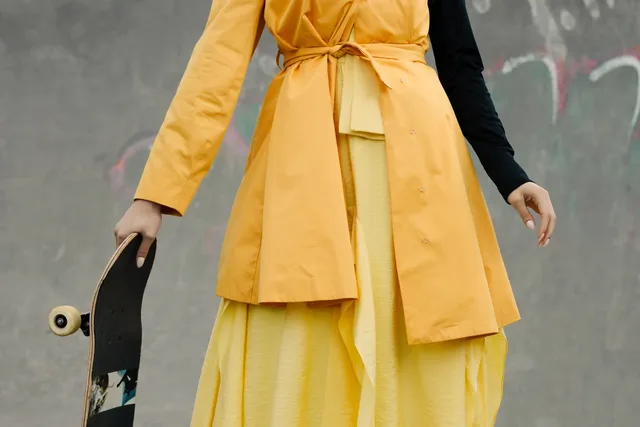
- Audit your current wardrobe to identify pieces that command confidence.
- Invest in high-quality staples that offer versatility across different settings.
- Refine your fit to ensure every garment complements your silhouette.
How to develop a unique look?
A woman sits at her desk, sorting through a collection of vintage scarves and modern leather goods. She experiments with layering different textures to see how they change the mood of her ensemble. Learning how to develop a unique look is a continuous process of trial and error.
- Audit your existing wardrobe to identify pieces that consistently make you feel confident and capable. 2. Select a signature element, such as a specific color palette or a recurring accessory type, to create visual cohesion. 3. Experiment with proportions, such as pairing oversized silhouettes with more fitted items, to create visual interest.
Once these steps are completed, perform a final check by observing how the outfit feels in motion. A successful look should feel like a natural extension of your movements rather than a restriction.
I found that once I focused on the interplay of textures, my daily dressing became much more intuitive.
Combine classic silhouettes with unexpected textures or signature accessories to create a visual identity that feels both intentional and personal.
Can personal style be limited by specific contexts?
An individual prepares for a formal gala, carefully selecting an ornate hat and a delicate day dress. They realize that while their personal taste is bold, the setting requires a certain level of traditional decorum. This highlights how style is always subject to the constraints of the environment.
The effectiveness of any styling technique is inherently tied to the social context in which it is deployed. What works as a statement of individuality in a creative studio may be perceived as a lack of professionalism in a courtroom.
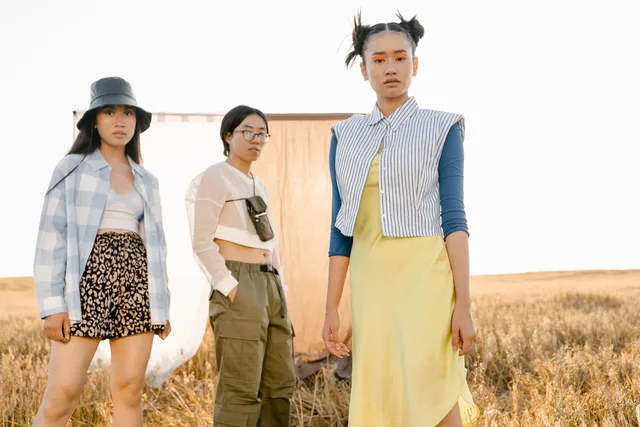
Therefore, the primary limitation of styling is the necessity of situational awareness.
According to Wikipedia, historical fashion transitions, such as those seen in Western fashion between 1795 and 1820, demonstrate how social norms strictly dictate acceptable attire. Even a walking costume from 1815 or a day dress from 1816 followed specific cultural codes of the era.
Modern styling remains similarly bounded by the unwritten rules of our current social landscapes.
While dress codes impose certain boundaries, true style is found in how you interpret those constraints through subtle details and curated color palettes.
The same subject is also called Style for self expression.
This part also covers Tips for personalized dressing.
Related

Comments 0