NYFW location shift model rights: Industry's journey guide
"The industry has shifted from the centralized tents of the past to a more fragmented, urban-integrated landscape."
The NYFW location shift model rights and venue changes reflect a transition from static hubs to dynamic city-wide events. This guide explores the movement from Bryant Park to various Manhattan venues and examines how these changes affect the industry.
Key takeaways include the timeline of venue transitions, the shift toward decentralized locations, and the historical context of the event's structure.
How did the NYFW location shift model rights change over time?
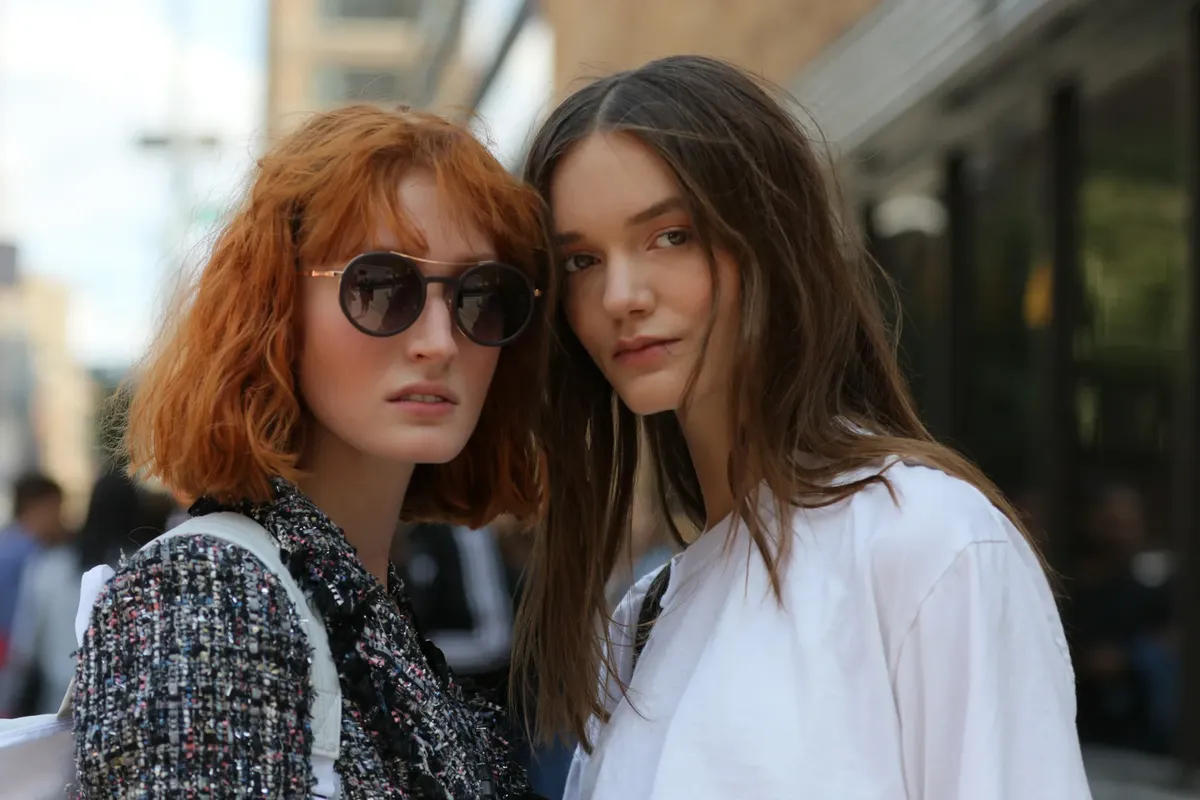
A designer walks through the empty tents of a former venue, looking for the spirit of the runway. The transition of the event's physical footprint has redefined how the industry operates.
In 2010, IMG/Mercedes-Benz Fashion Week New York left the Bryant Park tents, relocating to the Lincoln Center for the Performing Arts. This move signaled the end of a single, consolidated hub.
The NYFW location shift model rights and the way organizers managed space changed as the event grew beyond a single site.
The Council of Fashion Designers of America (CFDA) created the modern notion of a centralized "New York Fashion Week" in 1993. This centralized structure provided a unified identity for the city's fashion scene.
While cities like London were already using their city's name in conjunction with the words fashion week in the 1980s, the CFDA's work established a specific American framework.
##
A technician packs up cables in a large hall, preparing for a new era of shows. The movement between venues has been a recurring theme in the city's fashion history.
Lincoln Center served as the Fashion Week venue from 2010 to 2015. Following this period, the event moved to Clarkson Square, an events venue in SoHo in Manhattan. This shift toward SoHo brought the shows into a more retail-integrated and street-level environment.
The transition from a performing arts center to a SoHo venue changed the logistical requirements for designers. Moving the event into different neighborhoods allowed for more diverse settings. This evolution shows how the industry adapts to different urban spaces to maintain relevance.
How did the venue changes impact the scale of the event?
An organizer reviews a map of Manhattan, marking different locations for upcoming shows. The scale of the event has fluctued depending on the venue's capacity and location.
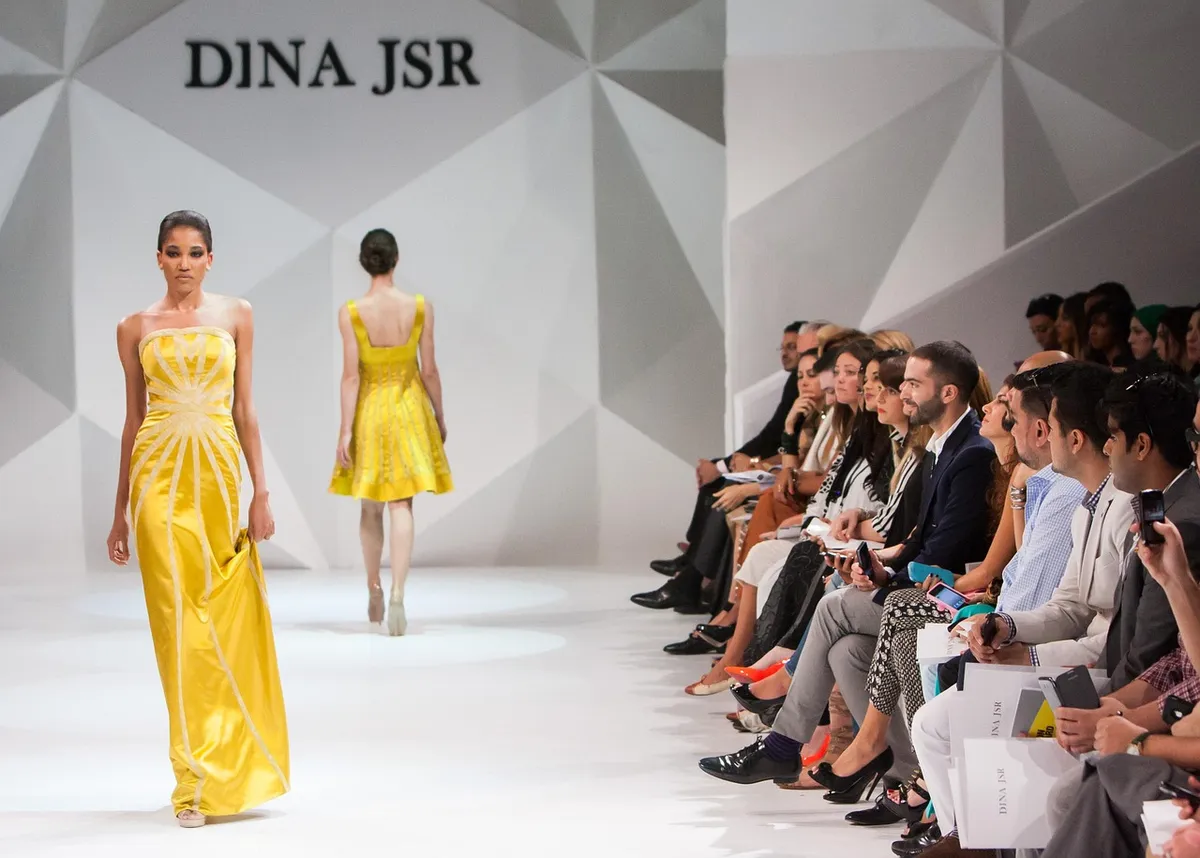
The move from the massive Bryant Park tents to the Lincoln Center represented a significant change in scale and atmosphere.
This shift helped redefine the professional standards of the runway.
| Venue Period | Primary Location |
|---|---|
| 2010–2015 | Lincoln Center |
| Post-2015 | Clarkson Square |
I remember looking at the maps of these different venues and realizing how much the sense of community changed with each move. The shift from a single site to multiple locations reflects the growing complexity of the industry.
What are the historical roots of the modern fashion week?
A historian looks through archives of old fashion magazines to trace the origins of the event. Understanding the past helps clarify why the current structure exists.
The modern concept of a centralized fashion week was not an overnight success. It was built upon decades of branding and organizational efforts within the city. The movement toward a structured schedule allowed for better international recognition.
The 1993 creation of the centralized notion by the CFDA was a turning point for the industry. It moved the event from a series of disconnected shows to a recognized global week. This branding allowed New York to compete with other major fashion capitals.
How can we understand the role of models in these changing spaces?
A model stands under the bright lights of a studio, preparing for a campaign shoot. The environments where fashion is captured have also evolved alongside the venues.
The backdrop of a show or a campaign film can change the entire perception of a label.
This use of a cultural landmark highlights the intersection of fashion and art.
The integration of iconic locations into fashion media provides a sense of prestige. Whether in a dedicated venue or a museum, the setting is a key component of the brand's identity. The movement of the event through the city has always utilized the unique character of Manhattan.
- How did the NYFW location shift model rights change over time?
- A technician packs up cables in a large hall, preparing for a new era of shows. The movement between venues has been a recurring theme in the city's fashion history.
- How did the venue changes impact the scale of the event?
The same subject is also called Fashion week venue change.
The same subject is also called Model rights in runway.
The same subject is also called Modernizing fashion events.
The same subject is also called NYFW legal evolution.
This part also covers Protecting models in shows.
This part also covers Venue shifts in fashion.
This part also covers Labor laws for models.
Related
- Role of fashion journalism: Tips for modern industry guide
- Toronto Fashion Week ownership: 100 designers showed why
How does the current industry reflect these past shifts?
The industry continues to reflect the fluidity seen in past venue choices. The initial move from Bryant Park tents to Lincoln Center marked a significant stage in the industry's physical journey.
This progression mirrors the broader industry trend toward dynamic, integrated urban experiences rather than static displays.
The modern industry embraces this fragmented landscape, much like the event itself has done. The journey through various Manhattan locations demonstrates the industry's adaptability to different cultural and commercial settings.
What is the significance of the decentralized industry model?
The decentralized industry model signifies the industry's maturity and its deep connection to the city. Moving beyond a single location allows the industry to tap into the diverse character of Manhattan itself. This dispersal reflects a broader trend toward multifaceted cultural expression.
Wikipedia: New York Fashion Week Based on the retained excerpt mentioning The Council of Fashion Designers: The Council of Fashion Designers of America (CFDA) created the modern notion of a centralized "New York Fashion Week" in 1993, although cities like London were already using their city's name in conjunction with the words fashion week in the 1980s.





Comments 0