Viktor & Rolf museum exhibit: Why couture transcends apparel
"Fashion is not just what we wear; it is a visual language that transcends the physical body to communicate concepts of space, structure, and identity."
The artistic value of Viktor & Rolf lies in their ability to blur the lines between wearable clothing and sculptural art, a feat validated by their presence in prestigious museum collections. This piece explores how their unique approach elevates fashion to a museum-worthy medium.
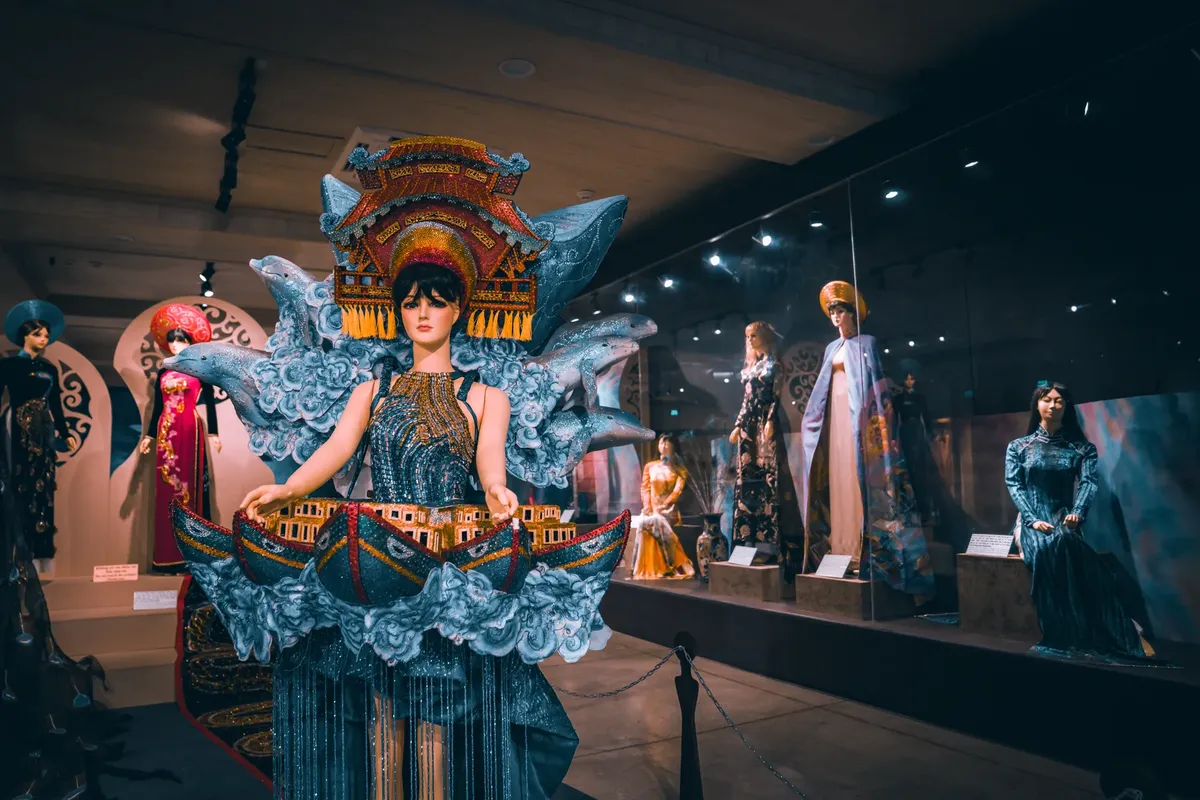
Key takeaways include the intersection of couture and fine art, the role of conceptualism in garment construction, and the recognition of their work within global cultural institutions.
How does a Viktor & Rolf museum exhibit redefine fashion?
Walking through a quiet gallery, one realizes that a garment can hold as much weight as a painting. A Viktor & Rolf museum exhibit serves as a bridge between the ephemeral nature of seasonal trends and the permanent legacy of fine art.
By placing their work in a museum setting, curators highlight how these pieces function as sculptural objects rather than mere apparel.
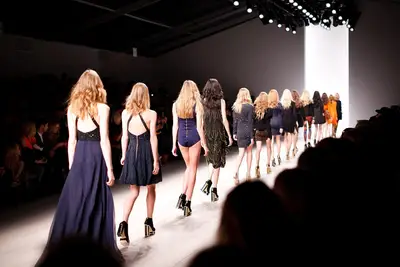
The transition from the runway to the pedestal requires a profound level of conceptual depth. A high fashion art display often focuses on the silhouette's ability to command space, much like a sculpture.
This shift in perspective allows viewers to appreciate the structural integrity and the intellectual intent behind every stitch.
When viewing these collections, the focus shifts from utility to pure expression. A designer clothing shown in a gallery setting invites a contemplative silence that is rarely found on a busy street.
This environment forces the observer to engage with the texture, volume, and historical references embedded in the fabric.
However, this redefinition may not apply to mass-produced commercial garments designed solely for utility.
What defines their unique fashion design philosophy?
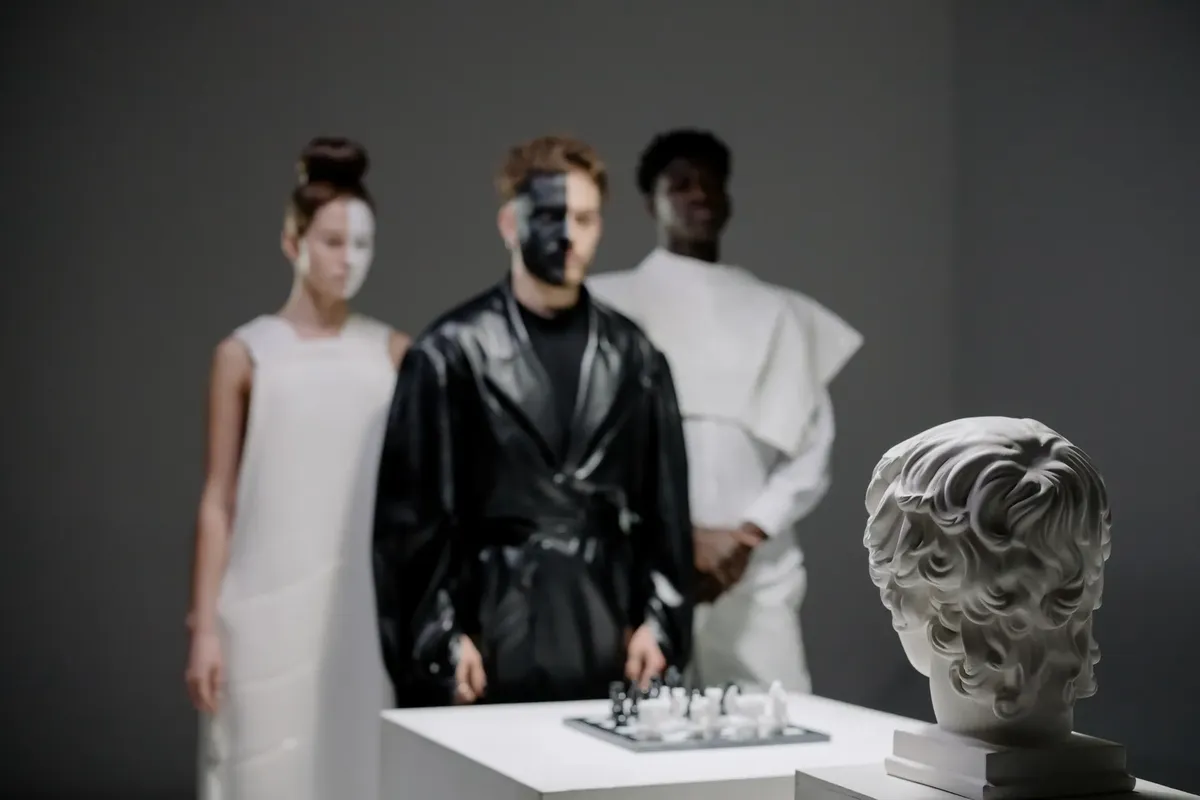
As evening fell over the studio, I watched the shadow of a dramatic silhouette cast by viktor dance across the cold marble floor.
Standing before a dramatic silhouette, I once wondered if these shapes were meant for the body or for the air around it. This tension is central to their work, where the garment becomes a vessel for an idea.
Their fashion design philosophy treats the human form as a moving canvas for architectural experimentation.
The mastery of volume and proportion challenges traditional notions of beauty and fit. An avant garde garment show often pushes these boundaries to the absolute limit, testing how much fabric can exist in harmony with a human frame.
It is not about following the body, but about creating a new reality for it.
Every collection acts as a dialogue between tradition and the future. The garment's artistic merit is often found in this tension, where classical tailoring meets surrealist concepts. This duality ensures that the work remains relevant to both historians and contemporary enthusiasts.
However, this philosophy may not translate to minimalist or strictly functional design aesthetics.
Can an artistic couture exhibit change our perception of clothing?
Looking at a gown that seems to defy gravity, the viewer experiences a sense of wonder typically reserved for modern art installations. An artistic couture exhibit transforms the act of dressing into a performative ritual.
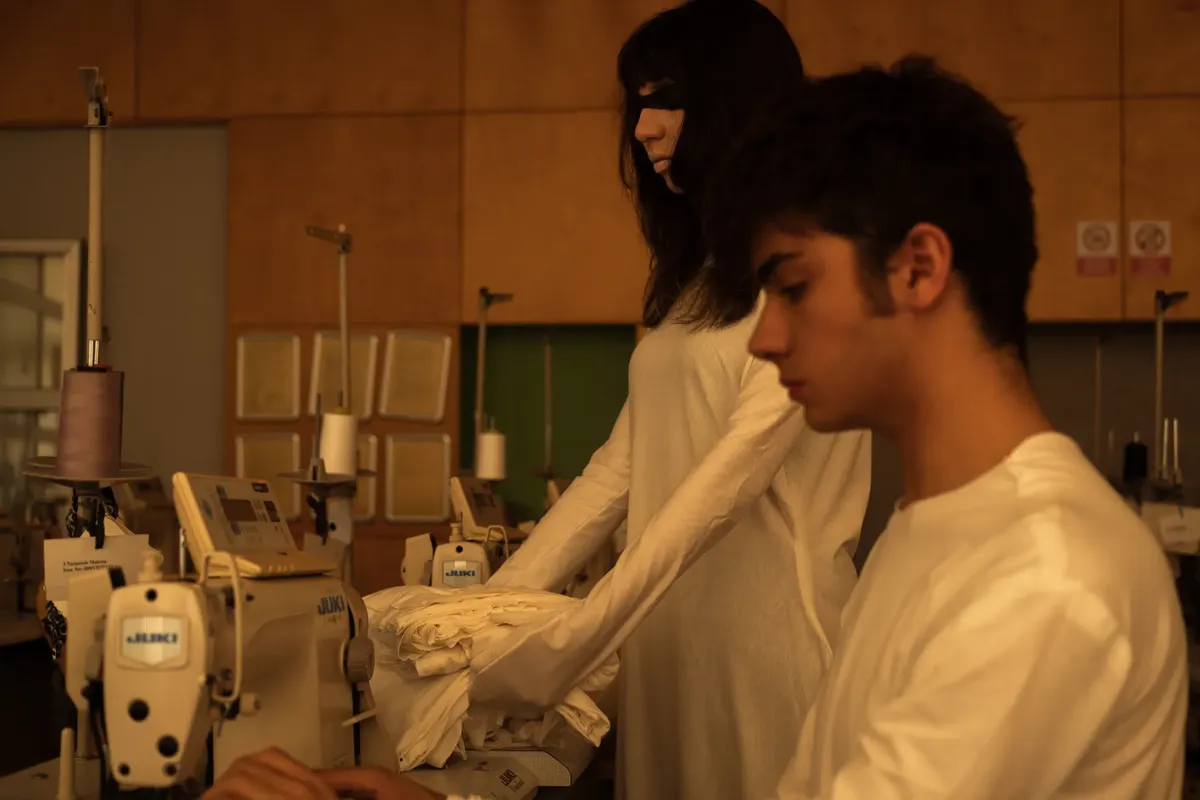
It challenges the viewer to see the clothing as a medium of storytelling rather than a commodity.
The complexity of the construction often serves as the primary narrative. Through intricate layering and unconventional materials, the designers communicate themes of identity and social structure.
This depth ensures that the work remains intellectually stimulating long after the initial visual impact.
The interplay of light and shadow on structured fabrics creates a dynamic visual experience. This movement mimics the way a sculpture changes as a viewer walks around it. It turns the simple act of observation into a multi-dimensional exploration of form.
However, the impact of such an exhibit is limited when the viewer lacks an interest in avant-garde art.
How to analyze the structural integrity of these pieces?
Observing the construction of a museum-grade piece requires a keen eye for technical mastery. To understand the depth of their work, one might follow these steps:
- Examine the internal scaffolding and how it supports exaggerated volumes without losing the garment's shape. 2. Trace the intersection of traditional tailoring techniques with modern, unconventional material applications. 3. Evaluate the relationship between the garment's silhouette and the negative space it creates around the wearer.
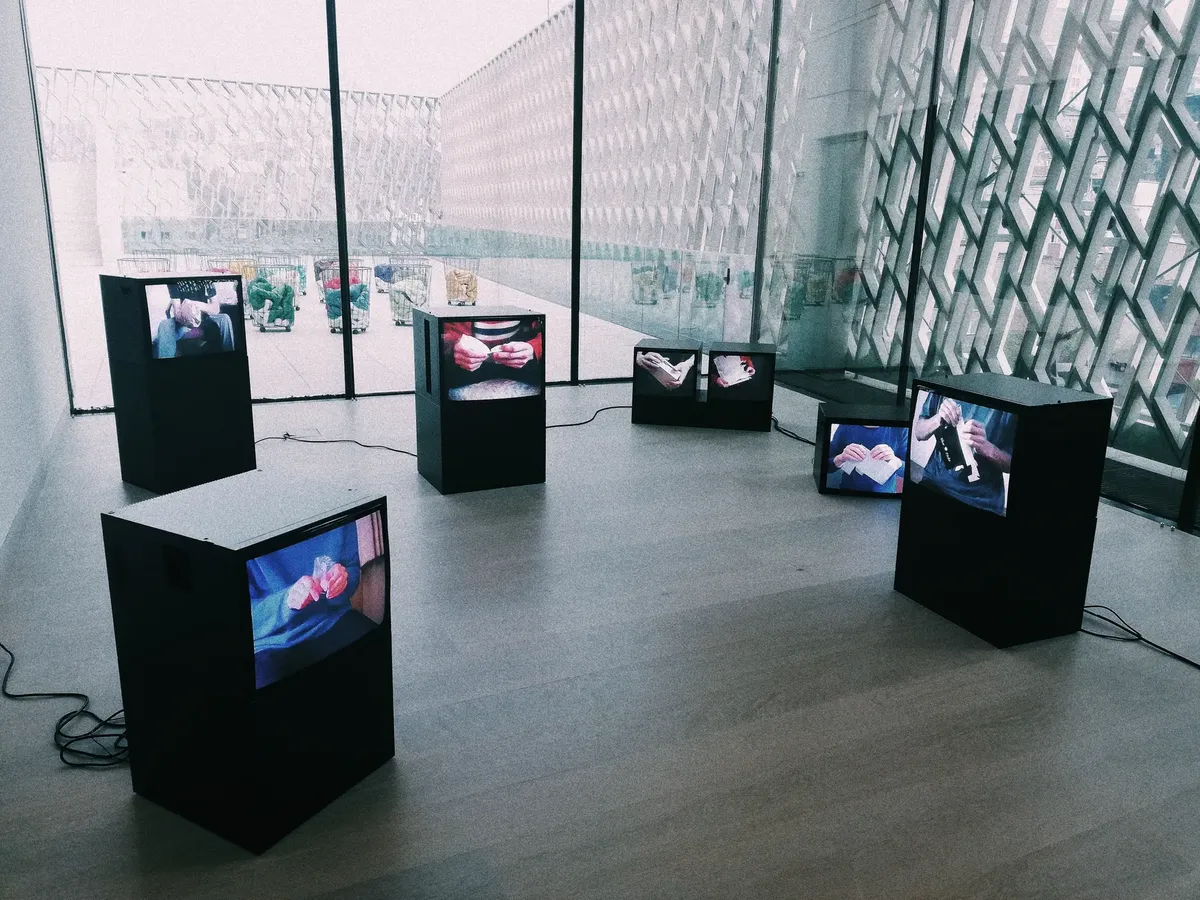
A final check involves looking at how the piece maintains its intended artistic impact when viewed from different angles.
- Examine the internal scaffolding and support structures.
- Evaluate the tension between fabric weight and silhouette.
- Assess the attachment points of sculptural elements.
Comparison of artistic expression and wearable function
| Aspect | Runway Context | Museum Context |
|---|---|---|
| Primary Focus | Movement and Trend | Sculpture and Concept |
| Viewer Interaction | Spectacle and Aspiration | Contemplation and Analysis |
In this comparison, the second point regarding function is the most extensive.
This part also covers Museum collection piece.
Related
- Indian fashion golden age: Intellectual property guide
- Early Korean fashion history: Guide to industry growth
How does the conceptual framework influence the final form of the fashion?
The underlying concept dictates the physical manifestation of the garment. The initial idea, which may be purely conceptual, undergoes a rigorous translation into tangible form through the design process.
This conceptual framework guides the choices regarding material, structure, and scale, ensuring that the final fashion piece communicates the original intellectual intent. The tension between the abstract idea and the concrete execution is where the artistic power resides.
This translation process is where the boundaries of what is possible with textile arts are tested. The designers must resolve the conceptual ambiguity into a coherent, albeit extreme, physical object.
The success of the piece hinges on how effectively the physical form embodies the intangible idea, making the fashion a successful artifact of thought.
The relationship between the idea and the execution is symbiotic; they mutually define the object.
The concept provides the 'why,' while the execution provides the 'how.' This dual requirement elevates the fashion from mere attire to a complex, multi-layered statement on modern existence and aesthetic theory.
However, the influence of the framework is limited when the concept contradicts the physical properties of the materials used.





Comments 0