90s to Now: Styling Vintage Pieces for a Modern Look
"True style isn't about what you buy; it's about how you interpret what you already own."
Transforming a vintage find into a modern masterpiece requires a balance of historical appreciation and contemporary edge. By focusing on silhouette, texture, and deliberate juxtaposition, you can turn a relic of the past into a centerpiece of your current wardrobe.
Key Takeaways * Curation over Consumption: Focus on high-quality construction that outlasts fleeting trends. * The Juxtaposition Principle: Mix structured heritage pieces with fluid, modern silhouettes to avoid looking like you're wearing a costume.
* Intentional Accessories: Use modern footwear and hardware to ground vintage garments in the present day.

Why the past is the new frontier
In the dim light of the attic, the heavy scent of cedar rises as a hand brushes against the coarse, thick wool of a vintage coat.
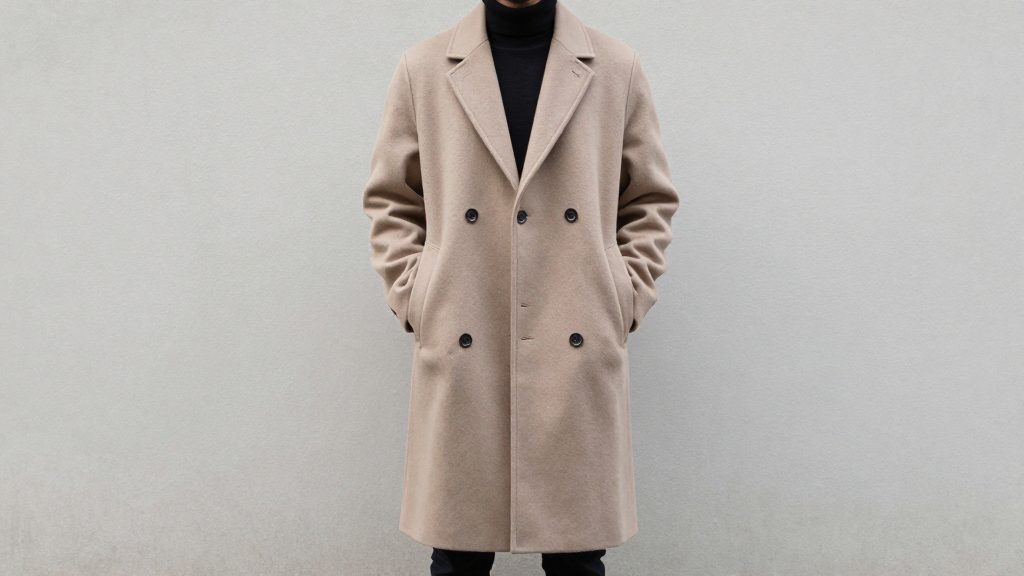
A heavy wool coat hangs on a wooden hanger in a dimly lit room, its fabric thick and smelling faintly of cedar. The weight of the garment feels substantial, a stark contrast to the thin, synthetic blends found in most modern retail stores.
The shift toward vintage and pre-loved fashion is more than a passing trend; it is a move toward mindful acquisition. In an era dominated by mass-produced uniformity, the inherent character of a well-made vintage piece offers a level of individuality that fast fashion cannot replicate.
High-end luxury has increasingly embraced this through the lens of conscious consumption, recognizing that true value lies in longevity and story. By 2025, the resale market had already expanded to a scale that dwarfs traditional retail growth.
Choosing pre-loved items is a direct response to the environmental challenges posed by the textile industry. By integrating heritage pieces into a modern wardrobe, you are participating in a circular economy that prioritizes quality over quantity.
But how do you pick a piece that actually works in a 2026 wardrobe?
Finding your timeless foundation
A pair of heavy denim jeans sits on a workbench, the indigo dye slightly faded at the knees but the stitching remarkably intact. The fabric is stiff, built to endure years of wear rather than a single season.
To successfully modernize old clothes, you must first identify pieces with superior construction. These are your "capsule core" items—structured trench coats, tailored blazers, or heavy-duty denim. These pieces possess a structural integrity that modern, cheaper alternatives often lack.
When shopping for vintage, look for the following: * Structural Integrity: Seek out heavy wools, thick cottons, and real silk. These fabrics hold their shape better over time. * Patina over Damage: Minor wear, such as slight fading or a soft texture, adds depth to a garment.
* Era-Specific Silhouettes: Understanding the history of a piece helps in choosing how to wear it.
For example, certain heritage styles, like the variety of inseams seen in men's shorts and chinos during the mid-2010s, can be recontextualized with modern proportions.
This "patina" is something new clothes cannot authentically replicate. However, simply owning a great piece isn't enough to make it wearable.
Why does wearing vintage often look like a costume?
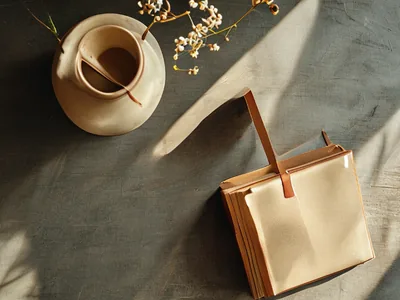
A sleek, minimalist leather bag sits next to a vibrant, patterned silk scarf from the 1970s. The combination looks deliberate, bridging the gap between decades without feeling dated.
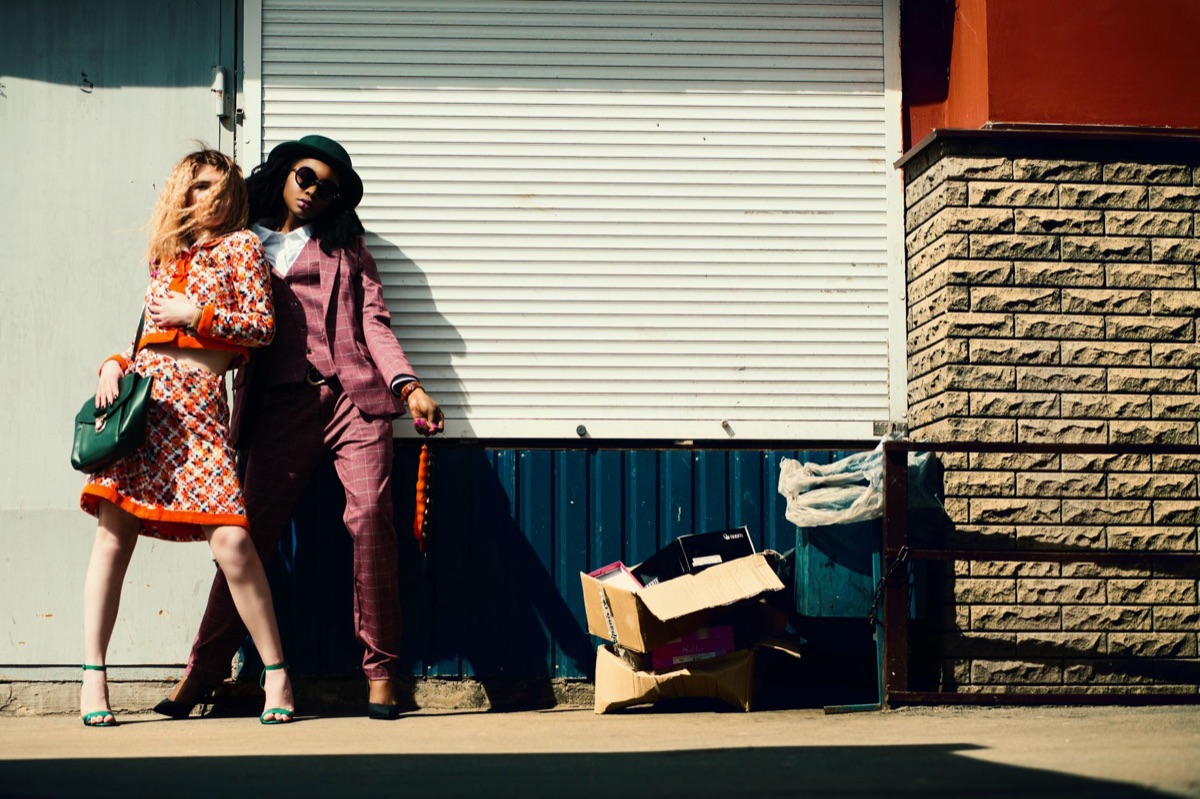
The biggest mistake in wearing vintage is wearing a "total look" that makes you look like you are wearing a costume. To avoid this, use the Juxtaposition Principle. This means pairing a structured, heavy vintage item with something modern and fluid.
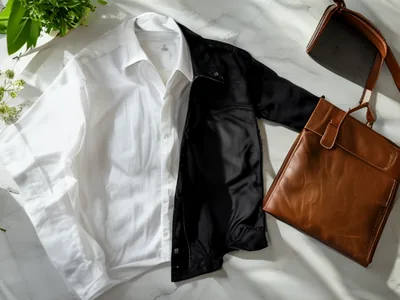
If you find a heavy, oversized vintage blazer, do not pair it with matching vintage trousers. Instead, pair it with slim-cut modern trousers or even technical fabrics to create a tension between the old and the new. Accessories act as the vital bridge.
A modern, minimalist watch or a pair of sleek, contemporary sneakers can instantly signal that your outfit is intentional for the current year.
| Element | Vintage Approach | Modern Juxtaposition |
|---|---|---|
| Top | Heavy wool blazer | Paired with a slim modern tee |
| Bottom | Wide-leg heritage trousers | Paired with a structured modern belt |
| Footwear | Rugged heritage boots | Paired with sleek, minimalist sneakers |
| Accessories | Ornate gold jewelry | Paired with matte-finish modern pieces |
Most people struggle to balance these elements without overthinking it.

How do you master the art of the edit?
A single person stands before a mirror, adjusting a belt. The outfit is simple: a vintage shirt, dark denim, and clean boots. The look is cohesive because nothing is fighting for attention.
To maintain a polished look, you must master the "Rule of Three." This means limiting the number of competing narratives in your outfit. If your primary piece is a loud, vintage statement item, the rest of your outfit should be minimalist and modern to ground it.
When I first started mixing eras, I found myself wearing too much texture at once. I realized that if the vintage piece is heavy, the modern piece should be light.
Follow this step-by-step sequence to transform a vintage suit jacket into a modern daily look: 1. The Foundation: Start with the oversized vintage suit jacket. 2. The Modern Layer: Add a high-quality, slim-fit white t-shirt underneath to break up the heavy fabric. 3.
The Bottom: Pair with slim or tapered modern trousers (avoiding matching suit pants). 4. The Anchor: Finish with a pair of sleek, chunky modern boots to provide a contemporary silhouette.
Color theory also plays a major role. Vintage pieces often feature deep, saturated hues that can look heavy. Use neutral bases—like black, navy, or cream—to ground these bold colors.
But what about the environmental cost of this lifestyle?
The philosophy of sustainable style
A pile of discarded clothing sits in a landfill, a silent testament to the waste generated by the fast fashion cycle. The scale of the problem is immense, but every reclaimed garment represents a choice for a better future.
Choosing pre-loved items is a tangible way to reduce your environmental footprint. The lifecycle view of fashion suggests that the most sustainable garment is the one that already exists. By repairing, repurposing, and re-wearing, you move away from the "disposable" mindset.
Using a pre-owned item reduces the carbon footprint associated with new production. It also allows you to build a wardrobe with a soul. A piece that has survived decades is a testament to its own quality and your ability to style it for the modern age.
One limitation to consider is that vintage sizing is notoriously inconsistent. A size 12 from 1960 will not fit like a 2026 size 12. You must shop for measurements, not labels.


Comments 0