Intellectual property why Fashion coordinator expertise
"The goal is to move toward high-quality, durable products rather than the cycle of fast fashion."
Fashion coordinator expertise involves managing the intersection of aesthetic vision, industry standards, and resource management to ensure professional results.
This guide explores how professionals navigate changing industry regulations, the technicalities of textile sorting, and the strategic role of styling in a global market.
Key takeaways include understanding durability standards, the importance of intellectual property, and the practicalities of textile waste management.
How does the industry define professional expertise?

A designer looks through a showroom window, observing how trends shift against the backdrop of established standards. The professional identity of a specialist often rests on the oversight of specific knowledge and conduct within a field.
According to the World Intellectual Property Organization, a 2005 conference called for stricter intellectual property enforcement within the fashion industry to better protect small and medium businesses and promote competitiveness within the textile and clothing industries.
The European Commission's goal for 2030 is to encourage consumers to invest in high quality products rather than fast fashion, and to ensure all textile products are durable, whether they are recycled materials or not, according to the European Commission.
According to the Science Council in the UK, a professional body is an organization where members practice an occupation while the organization maintains oversight of knowledge, skills, and conduct.
This oversight ensures that those in the industry maintain a high standard of practice. When a professional focuses on their unique skill set, they contribute to the stability of the broader market. This structured approach helps maintain the integrity of the profession across different regions.
However, the application of this expertise may be limited when working within strictly automated production environments.
What role does regulatory foresight play in styling? Fashion coordinator expertise
At dawn in the bright atelier, the stylist grips a fabric swatch while contemplating the intellectual implications of new trade laws.
A strategist reviews a new collection, considering how international laws might affect production and design. The evolution of industry rules requires a deep understanding of how legal frameworks protect creators.

In 2005, the World Intellectual Property Organization (WIPO) held a conference calling for stricter intellectual property enforcement within the fashion industry to better protect small and medium businesses and promote competitiveness within the textile and clothing industries.
Understanding these legal nuances is a core part of a coordinator's skill set. By staying informed about intellectual property, professionals can better protect their own work and that of their clients. This foresight is essential for maintaining competitiveness in a globalized environment.
However, these forward-looking strategies may not apply to fast-fashion cycles that prioritize immediate trends over long-term compliance.
How do sustainability goals influence the coordinator's role?
A coordinator examines a stack of high-quality fabrics, weighing the longevity of the materials against current trends. The shift toward more responsible production changes how professionals select and present products.
The European Commission's goal for 2030 is to encourage consumers to invest in high quality products rather than fast fashion, and to ensure all textile products are durable, whether they are recycled materials or not.
This long-term vision requires a coordinator's industry role to adapt to circular economy principles. Professionals must now consider the lifecycle of every garment they handle. Integrating durability into the design and selection process becomes a primary responsibility for modern stylists.
However, the impact of these goals is often limited when supply chain transparency remains low.
What are the technical realities of textile management?
A technician sorts through a bin of discarded fabrics, identifying which materials can be repurposed for different uses. Managing the flow of materials requires precise knowledge of how textiles are categorized after their initial use.
Understanding these percentages is vital for anyone involved in the supply chain or large-scale styling projects.

The following table compares the different categories of textile sorting:
| Category | Percentage of Textiles |
|---|---|
| Used clothing markets | 48% |
| Reengineered into new products | 29% |
A stylist might use these figures to understand the volume of secondary markets. For instance, when I look at the scale of used clothing markets, I realize how much influence secondary sourcing has on the industry. This data helps professionals plan for more sustainable inventory management.
However, these technical realities may not apply to small-scale artisanal production where manual methods prevail.
How can a professional manage textile waste?
A specialist organizes a recycling program, ensuring that materials are directed to the correct processing streams. Effective management involves understanding the specific breakdown of textile waste to maximize utility.
- Identify the primary use of the incoming textile to prevent contamination of the sorting stream. 2. Separate materials based on their secondary potential, such as industrial use or clothing. 3. Audit the final output to ensure it meets the required standards for reengineering or repurposing.
A final check ensures that no materials are miscategorized before they leave the facility. For example, around 17% of used textiles are sorted into the wiping and polishing cloth category. This level of detail is necessary to prevent waste from being sent to landfills unnecessarily.
- Identify the waste stream.
- Sort materials by composition.
- Implement recycling or repurposing protocols.
How does fashion serve a larger purpose?
A coordinator prepares a charity gala, selecting pieces that tell a story of social impact. Beyond aesthetics, the industry often serves as a medium for communication and advocacy.
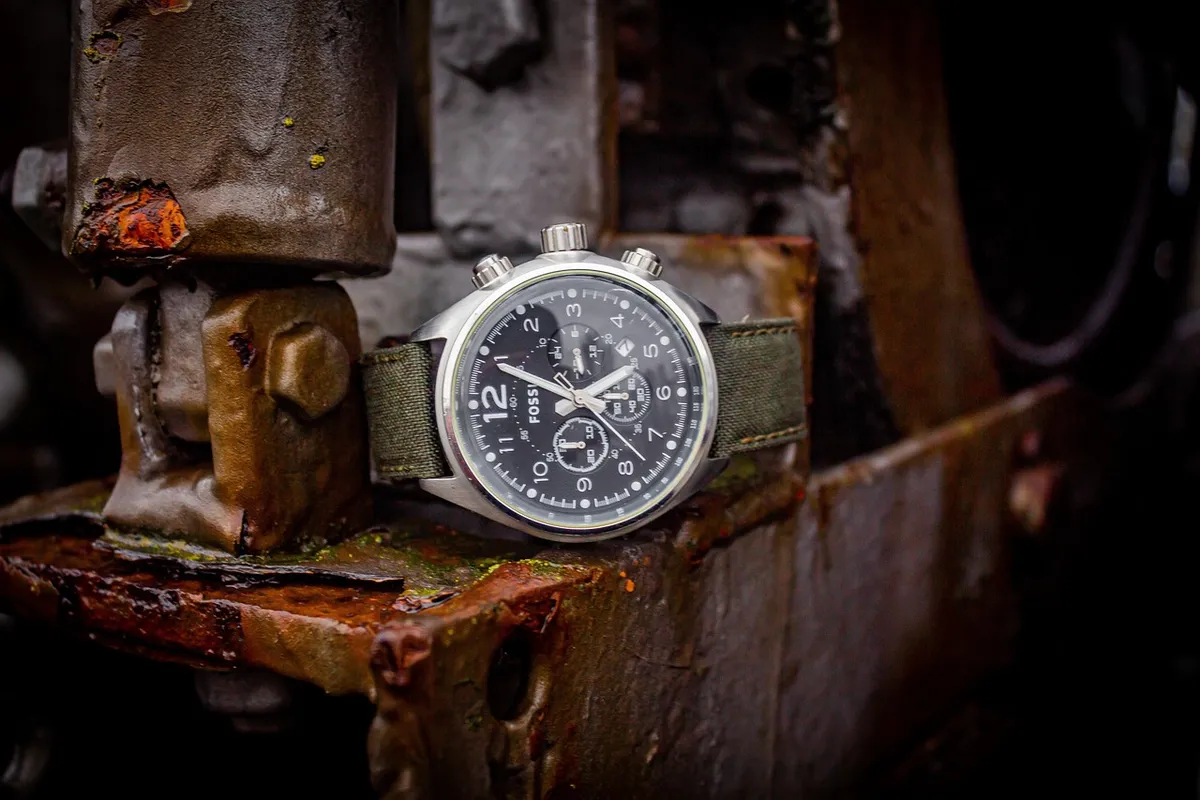
Fashion may be used to promote a cause, such as to promote healthy behavior, to raise money for a cancer cure, or to raise money for local charities such as the Juvenile Protective Association or a children's hospice.
An influencer styling guide might look at these social aspects to align a brand with a specific cause. This connection between style and social responsibility adds a layer of complexity to the professional role. It requires a balance of visual impact and ethical consideration.
In this sequence, the final step is the most significant.
The subject here is Fashion coordinator expertise.
The same subject is also called Stylist role in fashion.
The same subject is also called Coordinator skill set.
The same subject is also called Fashion media liaison.
This part also covers How stylists communicate.
This part also covers Professional styling advice.
Related






Comments 0