Material selection criteria: Natural fiber water use guide
"The essence of luxury lies not just in the design, but in the fundamental composition of the fibers that hold a silhouette together."
Understanding material selection criteria is essential for anyone curating a high-end wardrobe or managing textile assets. This guide covers the technical characteristics of common fibers, the environmental impact of production, and how to manage different fabric blends effectively.
Key takeaways include recognizing the dominance of synthetic fibers, understanding the water intensity of natural fiber production, and managing the specific needs of blended fabrics.
What defines the fundamental material selection criteria?
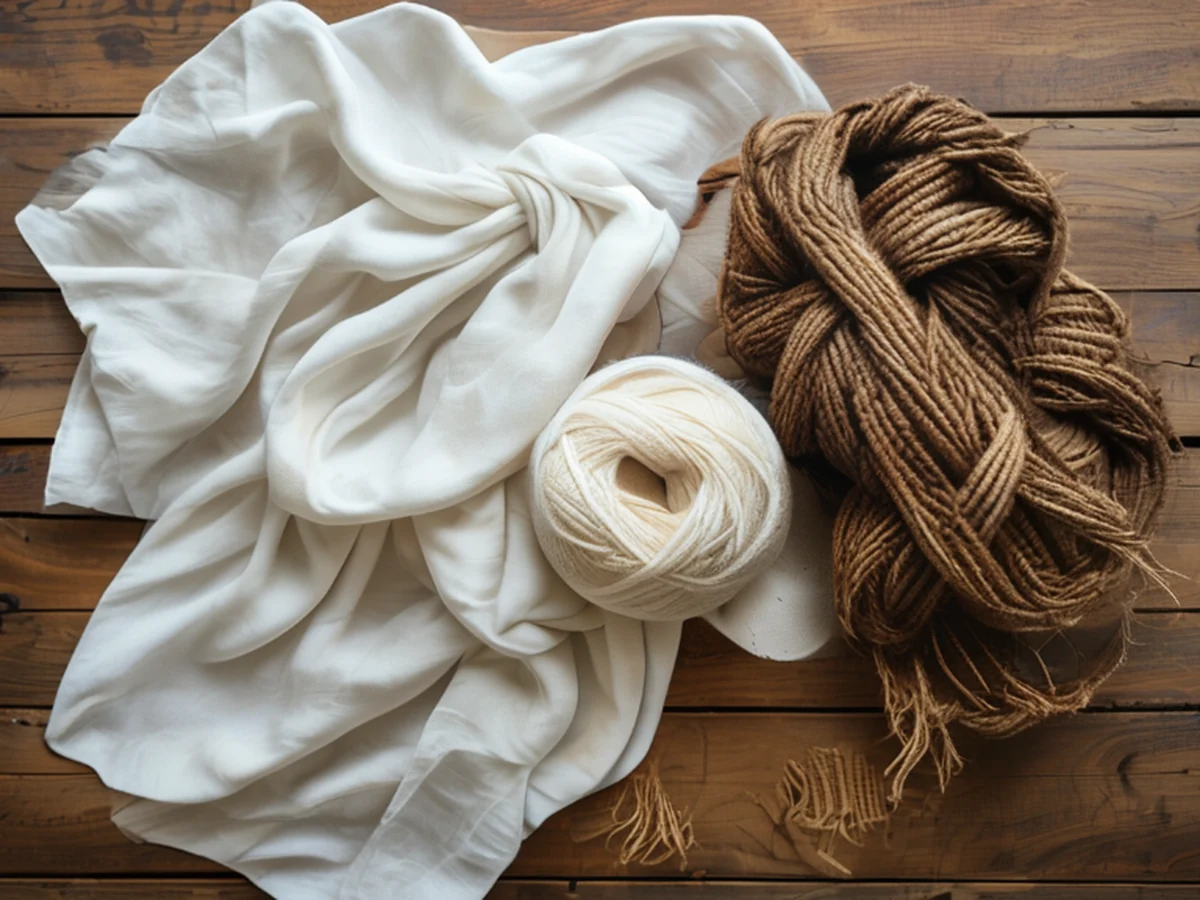
Standing in the quiet studio at dawn, the designer runs a trembling hand over the rough material to judge its strength.
A designer runs a hand over a bolt of fabric, feeling the tension and the microscopic texture of the weave. When selecting materials, one must consider the structural integrity and the inherent properties of the fibers used.
Material selection criteria often depend on the physical geometry of the fibers themselves. For instance, certain synthetic filaments possess a greater length-to-width ratio, where the length is 100 times the diameter.
This characteristic influences how the thread can be spun and how the resulting fabric drapes or holds its shape. Choosing the right fiber involves balancing these physical dimensions with the intended use of the garment.
However, these criteria may yield conflicting results when balancing durability against tactile comfort.
How do synthetic fibers shape the global market?
A factory floor hums with the sound of high-speed looms processing massive quantities of polyester. The sheer scale of production reflects a global shift toward versatile, engineered materials.
Synthetic fibers account for 70% of global fiber use, mainly polyester. This dominance in the market provides consistency in texture and durability for mass-produced luxury and commercial goods alike.
Because these materials are engineered, they offer predictable performance compared to natural alternatives. Selecting these materials requires an understanding of how they interact with heat, light, and other chemical treatments.

This analysis highlights how supply chain volatility influences these market shifts.
How should one manage blended fabric compositions?
A tailor carefully aligns the grain of a fabric that feels slightly different from pure silk or wool. Blends are often used to combine the best traits of different fibers into a single textile.
Managing a wardrobe with diverse materials requires knowing the exact composition of each piece. For example, a regular blended fabric is 65% polyester and 35% cotton. This specific combination aims to provide the breathability of cotton with the durability and wrinkle resistance of polyester.
I often find that knowing these ratios helps me determine the correct washing temperature and drying method to prevent shrinkage or fiber degradation.
- Identify the fiber ratios within the blend.
- Evaluate the compatibility of the constituent materials.
- Determine the appropriate processing methods for the specific mix.
What are the environmental considerations in material management?
A heavy industrial plant operates near a river, where the massive consumption of resources is a constant reality. Understanding the footprint of production is a vital part of modern material management.
The environmental impact of textile production is significant due to the heavy reliance on water. Conventional machinery and treatment procedures use enormous quantities of water, especially for natural fibers, which require up to 150 kg of water per kg of material.
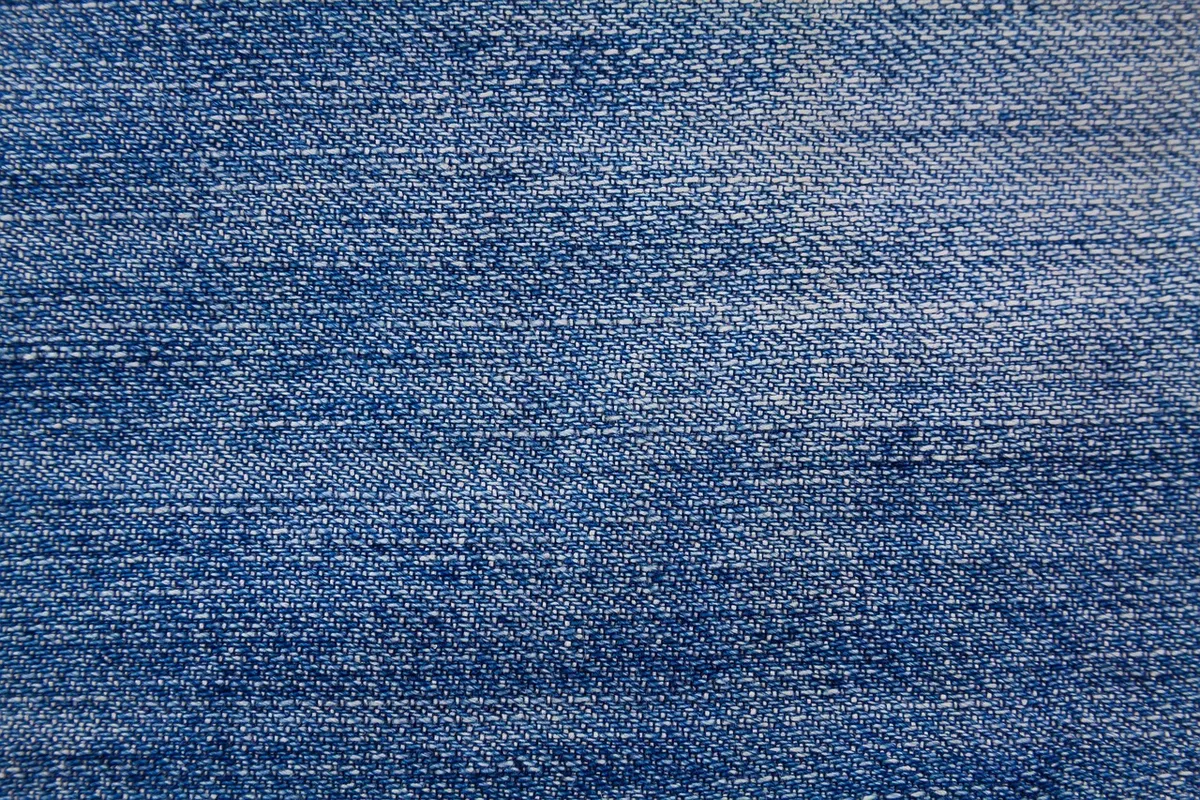
This high consumption rate makes the choice of fiber a matter of environmental responsibility. Proper management involves recognizing these heavy resource requirements during the sourcing phase.
The effectiveness of these strategies is limited when local waste infrastructure cannot support specialized recycling.
How much water does the textile sector impact?
An observer watches the discharge of treated water from a large-scale manufacturing facility into the surrounding environment. The scale of industrial usage is staggering when viewed through a global lens.
The global scale of resource use is massive, as the textile sector is believed to use 79 trillion litres of water per year. Additionally, the industry is responsible for discharging around 20% of all industrial effluent into the environment.
Managing materials effectively means being aware of these industrial realities. These figures highlight the importance of sustainable sourcing and efficient water management in the textile lifecycle.
In this discussion, the first point regarding resource depletion is the most critical.
How can we project future material trends?
An economist reviews a growth chart showing the steady rise of the global textile market over several years. Trends in material use are constantly shifting based on technological advancements.
Market dynamics suggest that the industry is not static, with growth expected in various sectors. From 2022 to 2030, the market is anticipated to increase by 5.1% per year. This growth indicates an increasing demand for both natural and synthetic materials.
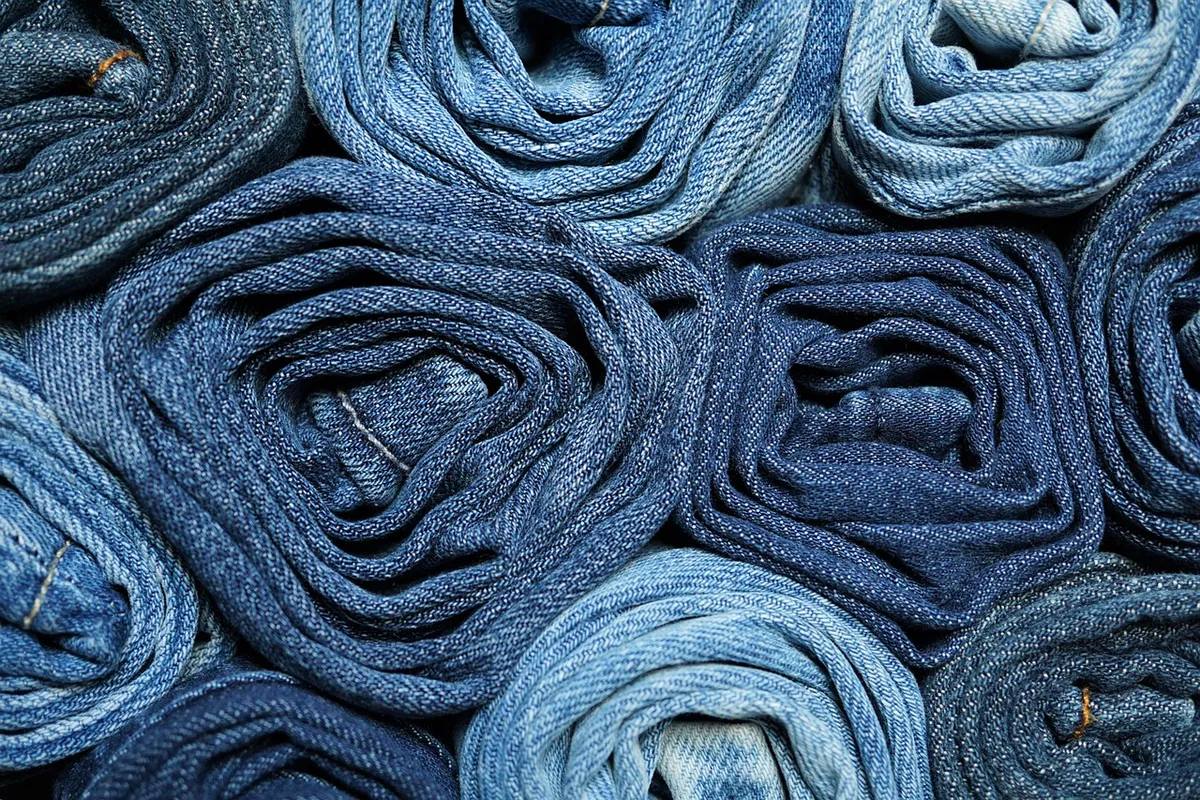
Staying ahead of these trends requires a deep understanding of how market shifts influence material availability and quality.
These projections do not apply to highly localized or artisanal production methods.
The same subject is also called Material choice factors.
The same subject is also called Guide to material care.
The same subject is also called Proper material storage.
The same subject is also called Material handling advice.
This part also covers Medical material selection.
This part also covers Advanced material management.
This part also covers Expert material communication.
Medical material selection
Related







Comments 0