Role of fashion reviewers: Guide to quality and style
"Fashion is not merely about the clothes we wear, but the influence and standards we set for the future of industry and sustainability."
The role of fashion reviewers involves evaluating quality, durability, and the ethical implications of modern trends to guide consumer behavior.
This guide explores how professional critique shapes industry standards, the distinction between influence and expertise, and how reviewers address the environmental impact of fast fashion.
Key takeaways include understanding the shift toward high-quality investments, recognizing the role of intellectual property, and identifying the environmental consequences of rapid consumption.
How does the role of fashion reviewers shape style?
At dusk in the dimly lit studio, she runs her fingers over the heavy silk, realizing her role in defining the season's silhouette.
A reviewer sits at a desk, carefully examining the stitching of a garment before translating aesthetic nuances into written guidance. This process of evaluation goes beyond mere opinion, as the role of fashion reviewers often involves bridging the gap between designer intent and consumer reality.
By providing critical perspectives, they help define what constitutes quality in an era of mass production.
Expertise in fashion reviews requires a deep understanding of textile longevity and design history to provide meaningful feedback. When a professional analyzes a collection, they are not just commenting on trends but are assessing the value of craftsmanship.
This expertise helps steer the market toward more thoughtful consumption patterns.
The impact of these critiques can influence global trends and production methods. Influencer styling roles often overlap with traditional review, but professional critique maintains a focus on technical merit and long-term value.
As the industry evolves, the ability to distinguish between fleeting trends and lasting quality becomes essential for informed consumers.
Reviewers act as cultural curators who translate runway concepts into wearable realities for the public. By selecting which trends to highlight or critique, they direct the collective visual vocabulary of the industry.
What is the importance of expertise in fashion reviews?
As dawn breaks over the silent studio, she pulls the heavy wool tight against her skin, understanding her role in judging the integrity of every stitch.
A critic walks through a crowded gallery, noting how different fabrics catch the light under various conditions. Establishing a professional standard requires more than just a keen eye; it requires a foundational knowledge of how materials behave over time.
This distinction is vital when discussing how reviewers shape style through technical analysis.
The core of professional critique lies in the ability to judge durability and material integrity. While many follow trends, experts look at the structural components that determine a garment's lifespan.
This level of scrutiny provides a necessary check against the rapid turnover seen in modern retail environments.
The distinction between a mere enthusiast and a professional is often found in the depth of technical knowledge. While social media personalities might focus on visual appeal, a professional looks at the construction and the ethical implications of the manufacturing process.
This depth ensures that the consumer receives a comprehensive understanding of their potential investment.

Expertise provides the analytical depth necessary to move beyond mere aesthetic preference. A knowledgeable reviewer can evaluate garment construction, fabric integrity, and historical context, offering readers a substantive understanding of value.
How does reviewer impact on fashion manifest in sustainability?
A researcher looks at a pile of discarded garments, noting the vast difference between high-quality textiles and disposable wear. As global consumption rises, the reviewer impact on fashion increasingly focuses on the environmental consequences of consumer choices.
This shift reflects a growing necessity to address the waste generated by the industry.
The environmental footprint of clothing is a growing concern that requires constant scrutiny.
Reviewers play a role in highlighting these patterns and advocating for more sustainable alternatives.
By highlighting the longevity of certain brands, reviewers can influence the market to move away from disposable culture. This influence is a tool for promoting better consumption habits.
As the industry faces pressure to reduce its footprint, the guidance provided by professionals becomes a vital part of the conversation regarding waste and resource management.
When reviewers prioritize quality and longevity over fleeting trends, they encourage a shift toward mindful consumption. This influence can redirect consumer attention from disposable garments toward investment pieces that endure.
How can we distinguish between influencer styling roles and professional expertise?
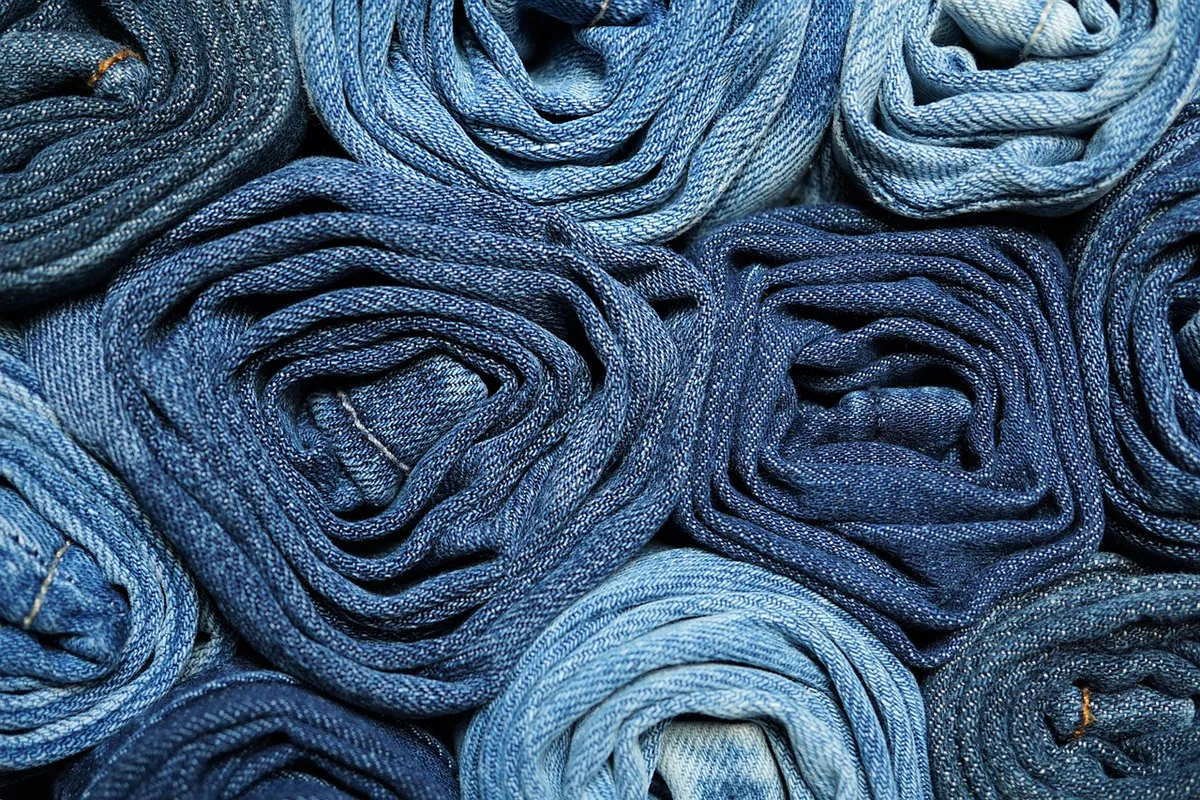
A writer compares two different denim washes, noting the weight of the fabric and the consistency of the dye. Understanding the difference between various types of commentary is essential to navigating the modern fashion landscape.
This comparison helps clarify the nuances of influencer styling roles versus deep technical analysis.
While an influencer might demonstrate how to wear a specific piece, a professional reviewer often analyzes the garment's construction and material sourcing. One focuses on the immediate visual impact, while the other focuses on the long-term value and ethical standing of the product.
Both roles exist within the ecosystem, but they serve different purposes.
The intersection of these roles can sometimes lead to confusion for the average buyer. However, recognizing that one provides visual inspiration while the other provides technical validation allows for more informed decision-making.

This balance is necessary to navigate the complexities of modern retail and brand messaging.
The distinction lies in the objective of the content. Influencer styling often focuses on personal branding and immediate trend adoption, whereas professional expertise relies on technical knowledge and critical analysis of the industry at large.
What are the implications of reviewer impact on fashion regarding ethics?
An expert examines a label, considering the labor practices and environmental standards behind the brand. The discussion around ethics is a central component of modern critique, as it touches on the human and environmental costs of production.
According to the World Intellectual Property Organization, a 2005 conference called for more rigorous intellectual property enforcement in the fashion industry to enhance competitiveness and protect small and medium businesses.
This aspect of the role is increasingly linked to how reviewers shape style through value-based guidance.
The move toward more ethical production is often driven by the scrutiny of professionals who demand transparency. By questioning the origins of materials and the fairness of labor, reviewers hold brands accountable.
This accountability is a key driver in the push for more responsible manufacturing practices worldwide.
As consumers become more socially conscious, the demand for ethical transparency grows. Reviewers act as intermediaries, translating complex supply chain information into understandable insights.
This helps consumers align their purchases with their personal values, making the industry more accountable to the public.
The power to validate brands carries a heavy responsibility to scrutinize labor practices and sourcing. Reviewers hold the ability to hold companies accountable by bringing transparency to the production processes behind the aesthetic.
How do professional standards address the fast fashion crisis?
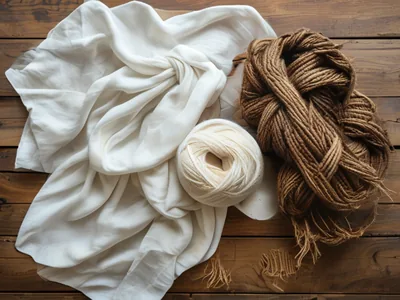
A person holds a piece of recycled fabric, feeling its texture and checking its durability against traditional materials. Addressing the crisis of disposable clothing requires a move toward more rigorous standards of quality and durability.
This focus is central to the professional mission to guide consumers toward better investments.
The European Commission's goal for 2030 is to encourage consumers to invest in high quality products rather than fast fashion, and to ensure all textile products are durable, whether they are recycled materials or not.

This institutional goal aligns with the professional tendency to advocate for longevity over disposability.
| Feature | Fast Fashion | Traditional/High-Quality Fashion |
|---|---|---|
| Longevity | Low durability | High durability |
| Environmental Impact | Higher footprint per wear | Lower footprint per wear |
I found that comparing these two categories helps clarify why professional guidance is necessary when shopping for lasting pieces. A limitation of this analysis is that it cannot account for every unique textile blend or specific brand's manufacturing process.
To combat the cycle of overconsumption, professionals can implement the following approach: 1. Prioritize the promotion of durable materials over low-quality synthetic fabrics. 2. Critique the lifecycle of garments rather than just their immediate visual appeal. 3.
Advocate for brand accountability regarding waste management and production volume.
- How does the role of fashion reviewers shape style?
- What is the importance of expertise in fashion reviews?
- How does reviewer impact on fashion manifest in sustainability?
Related






Comments 0